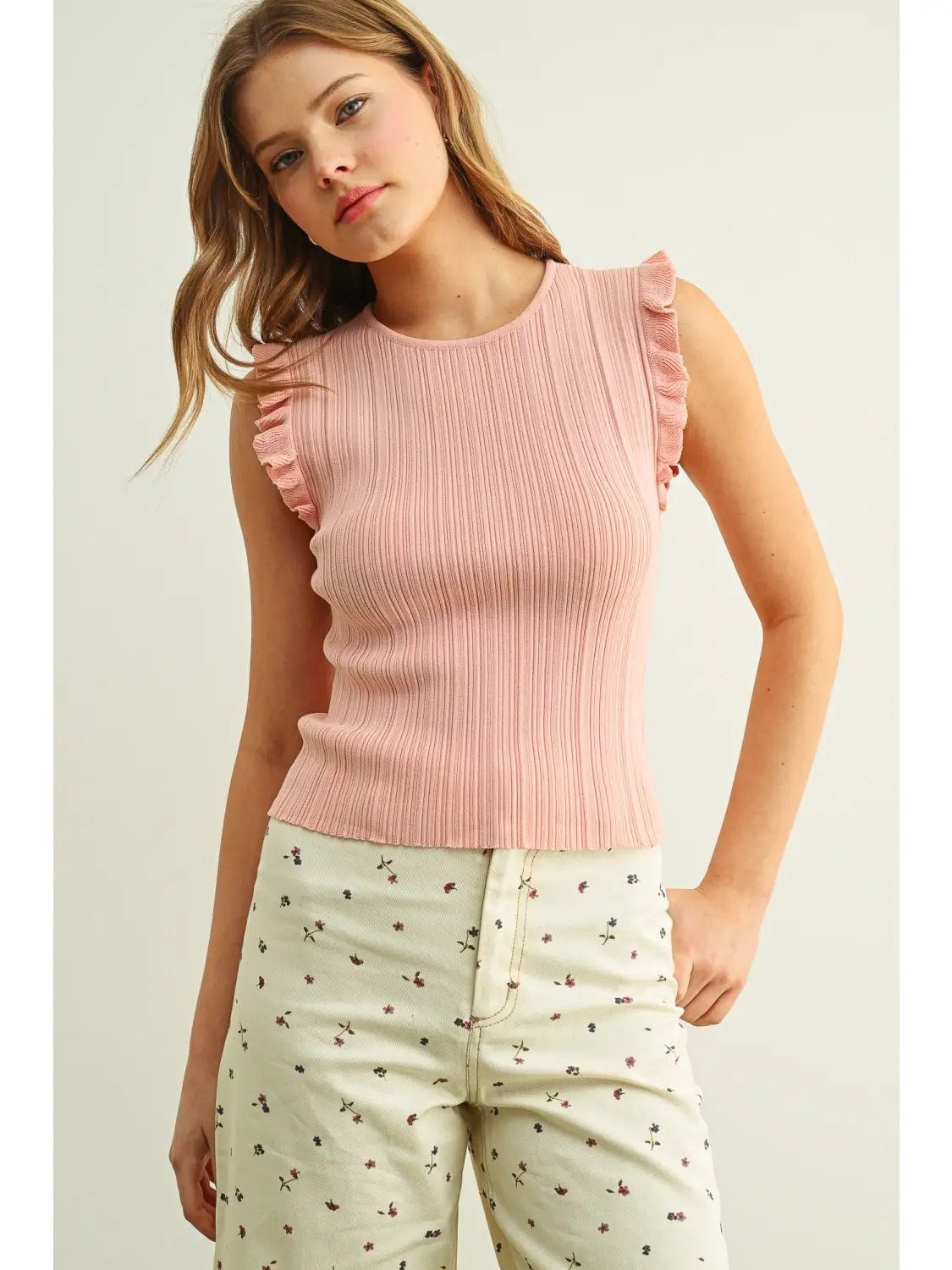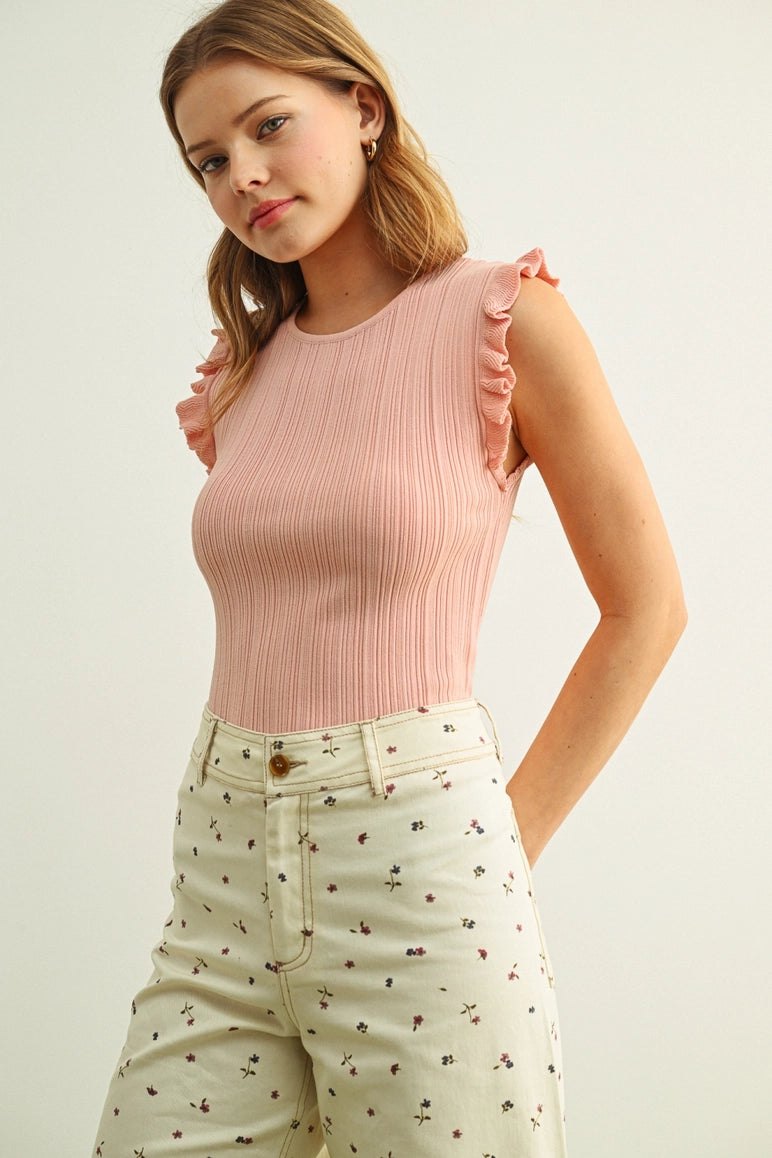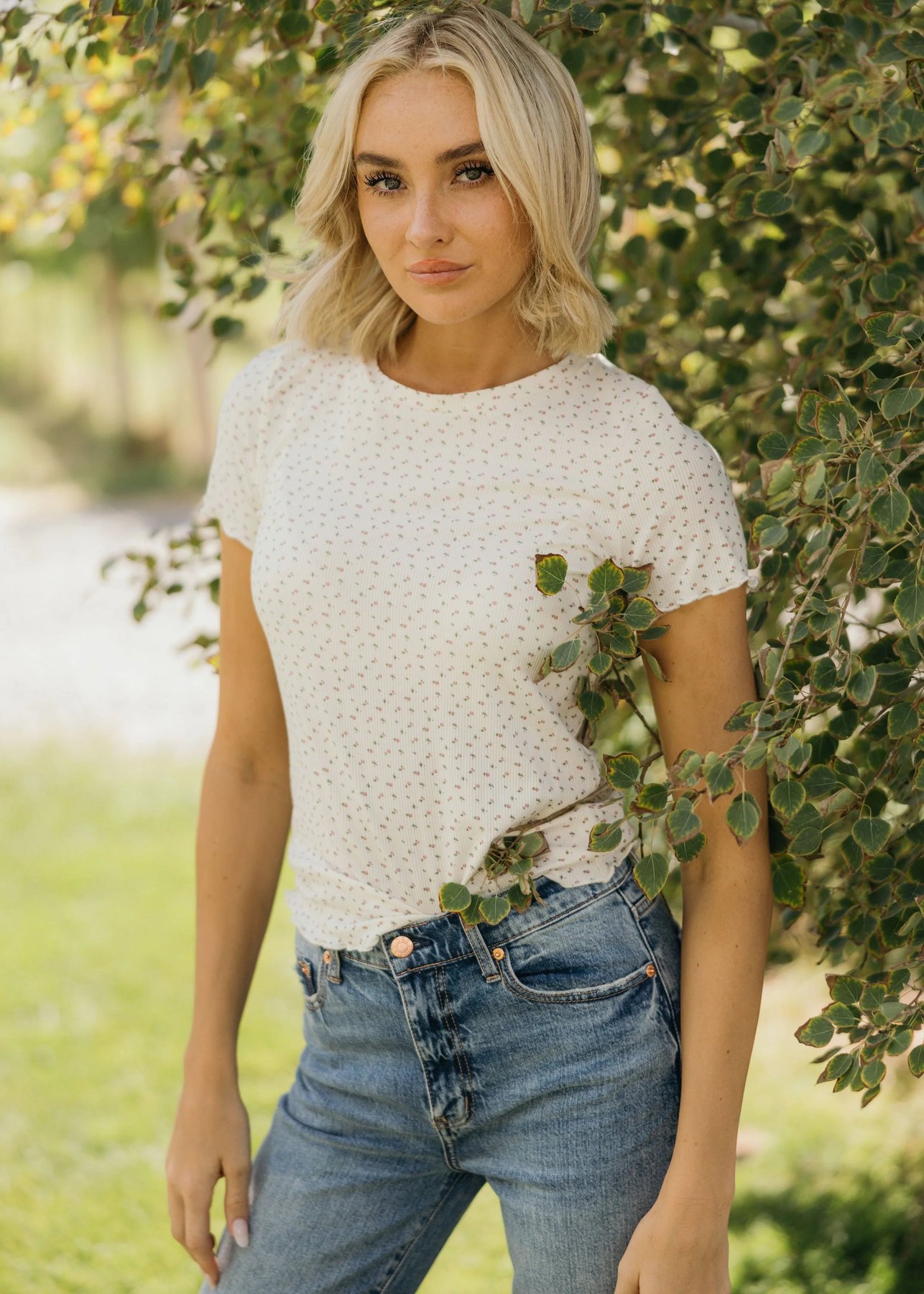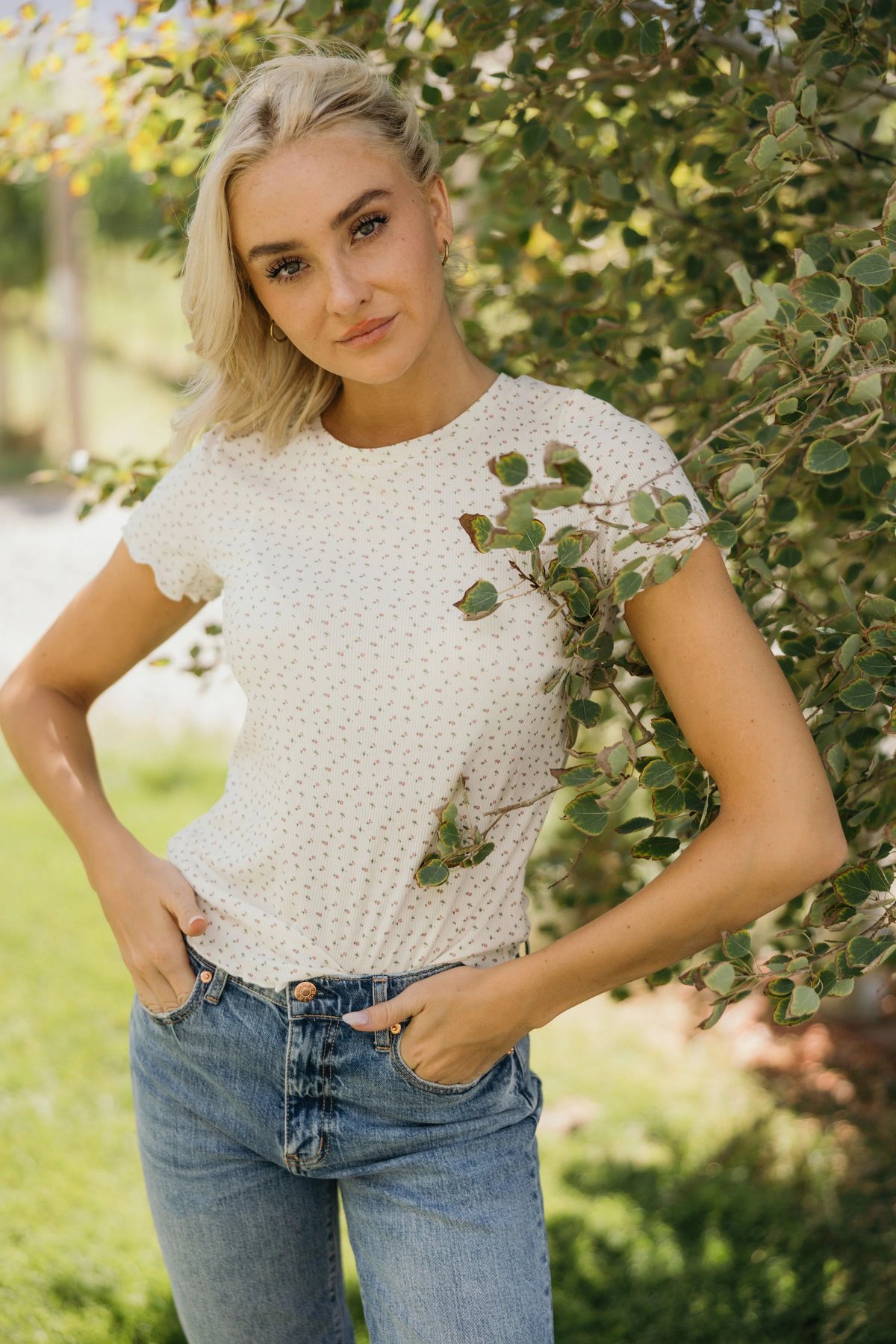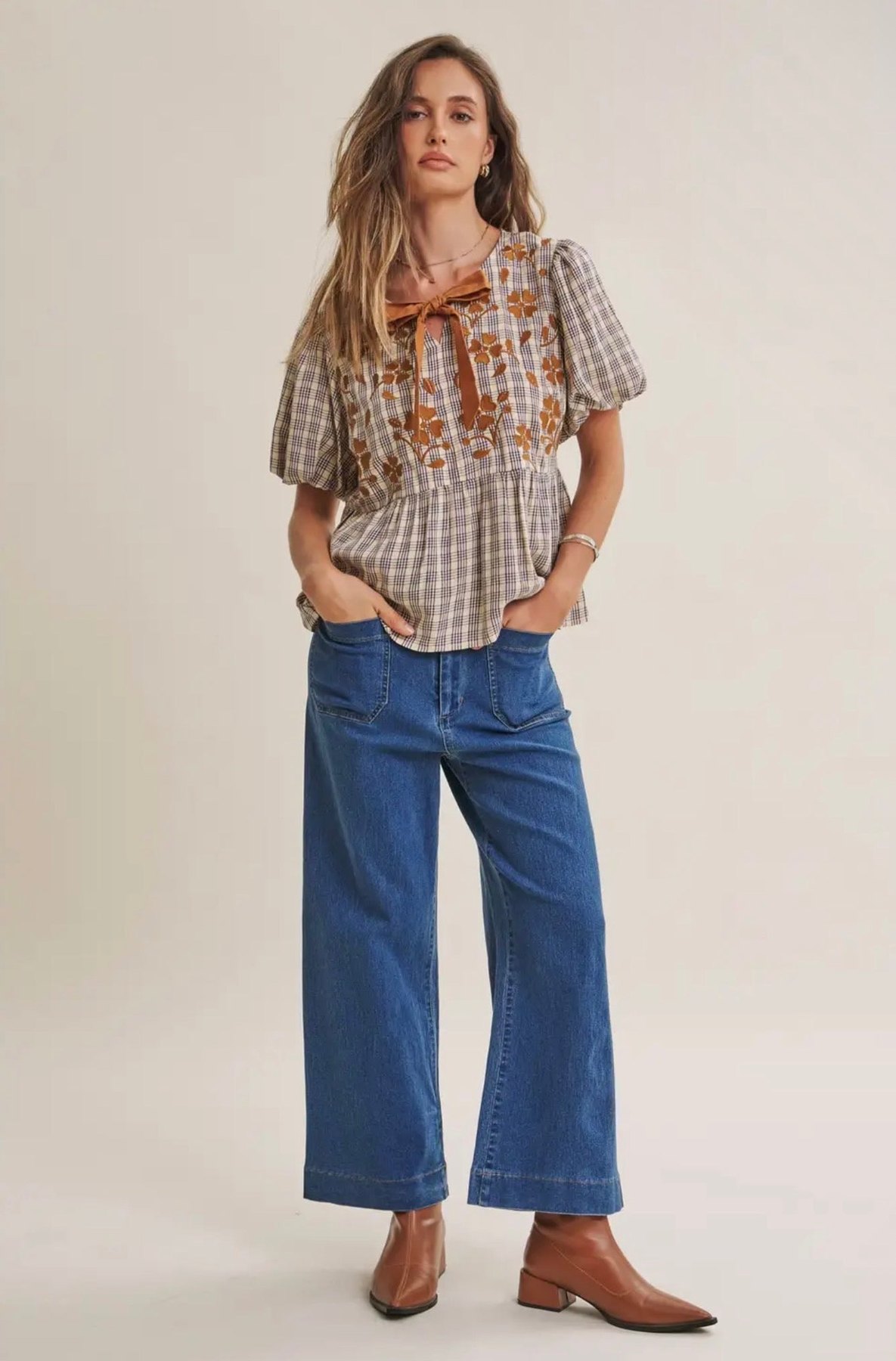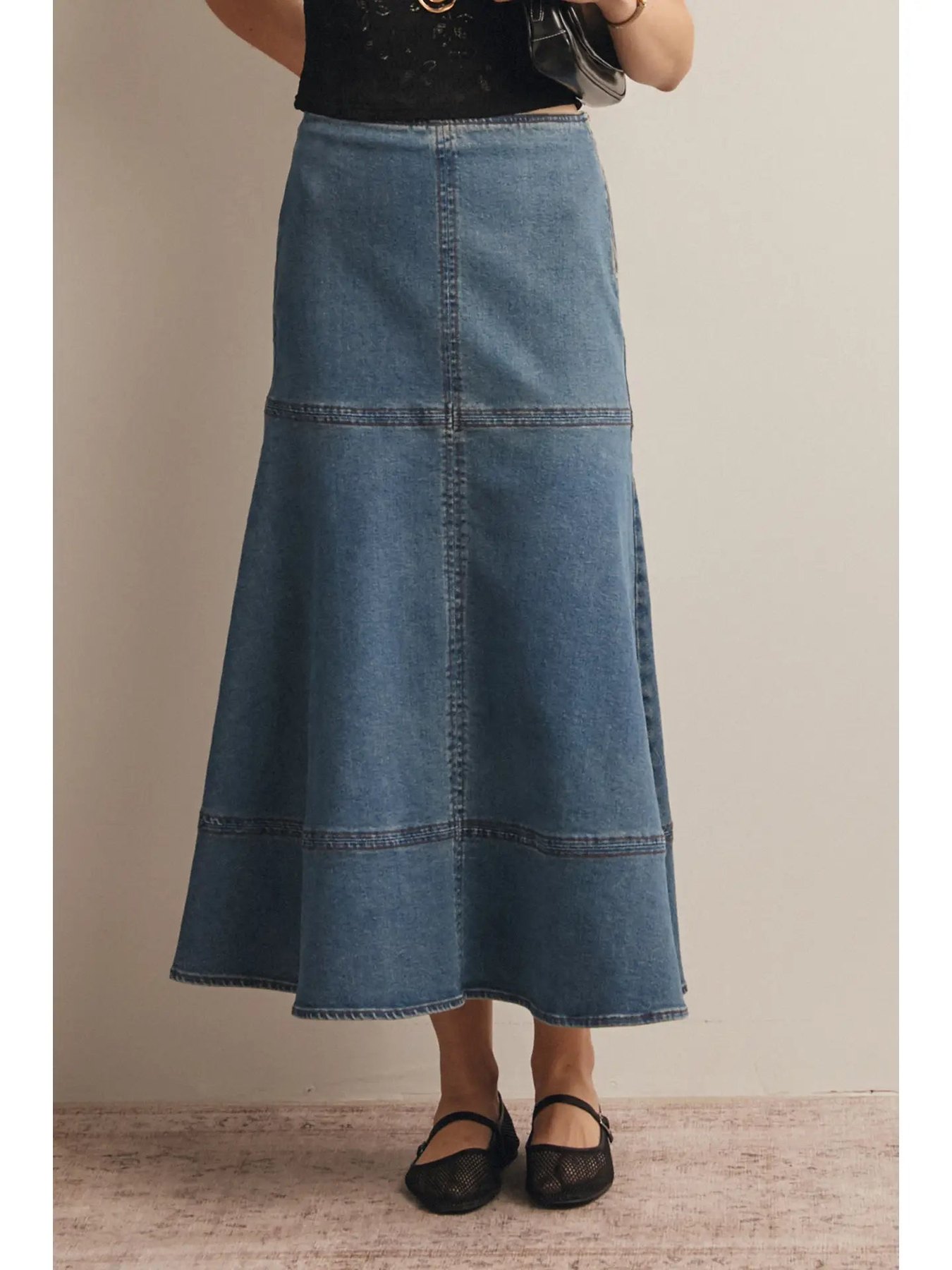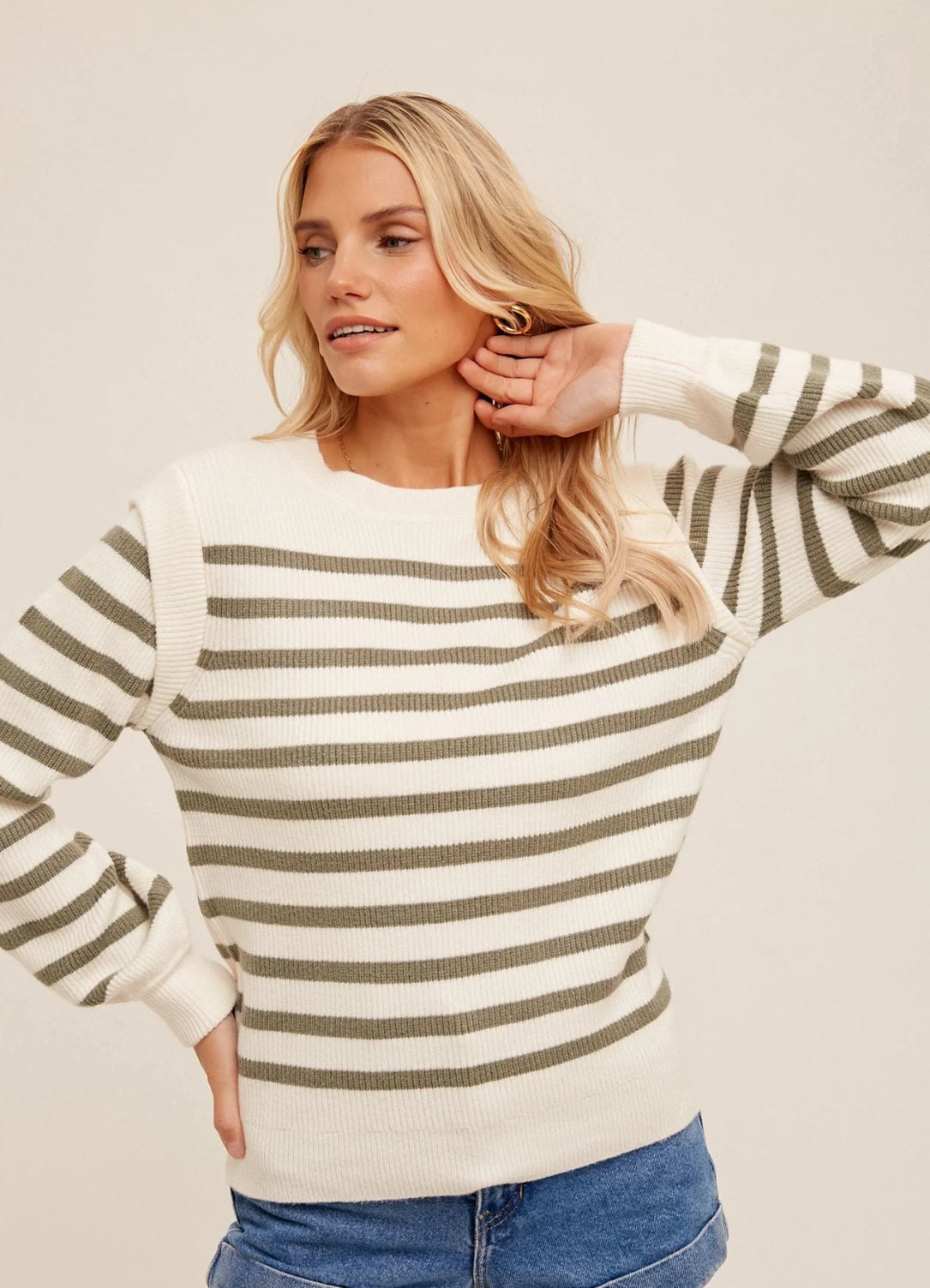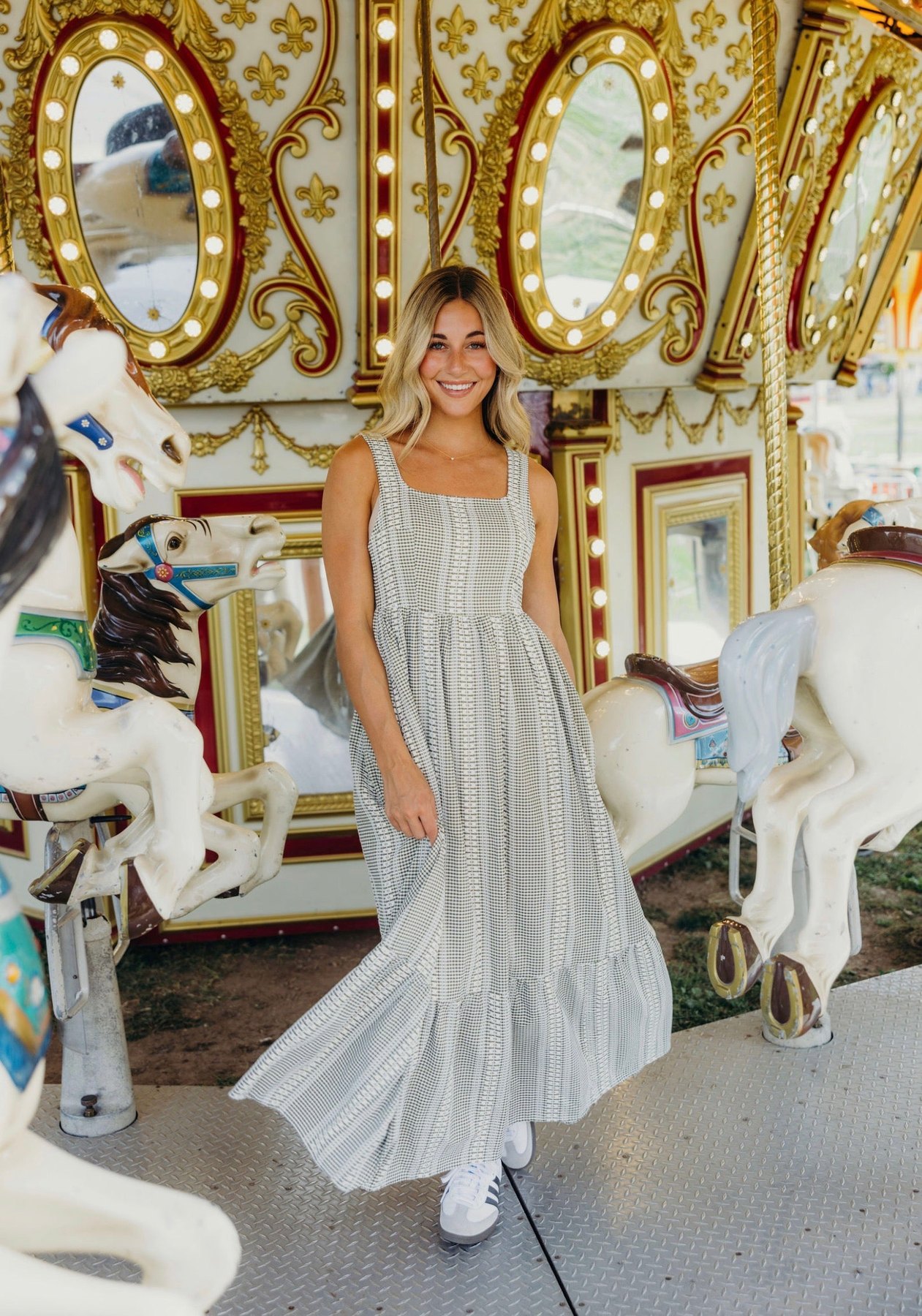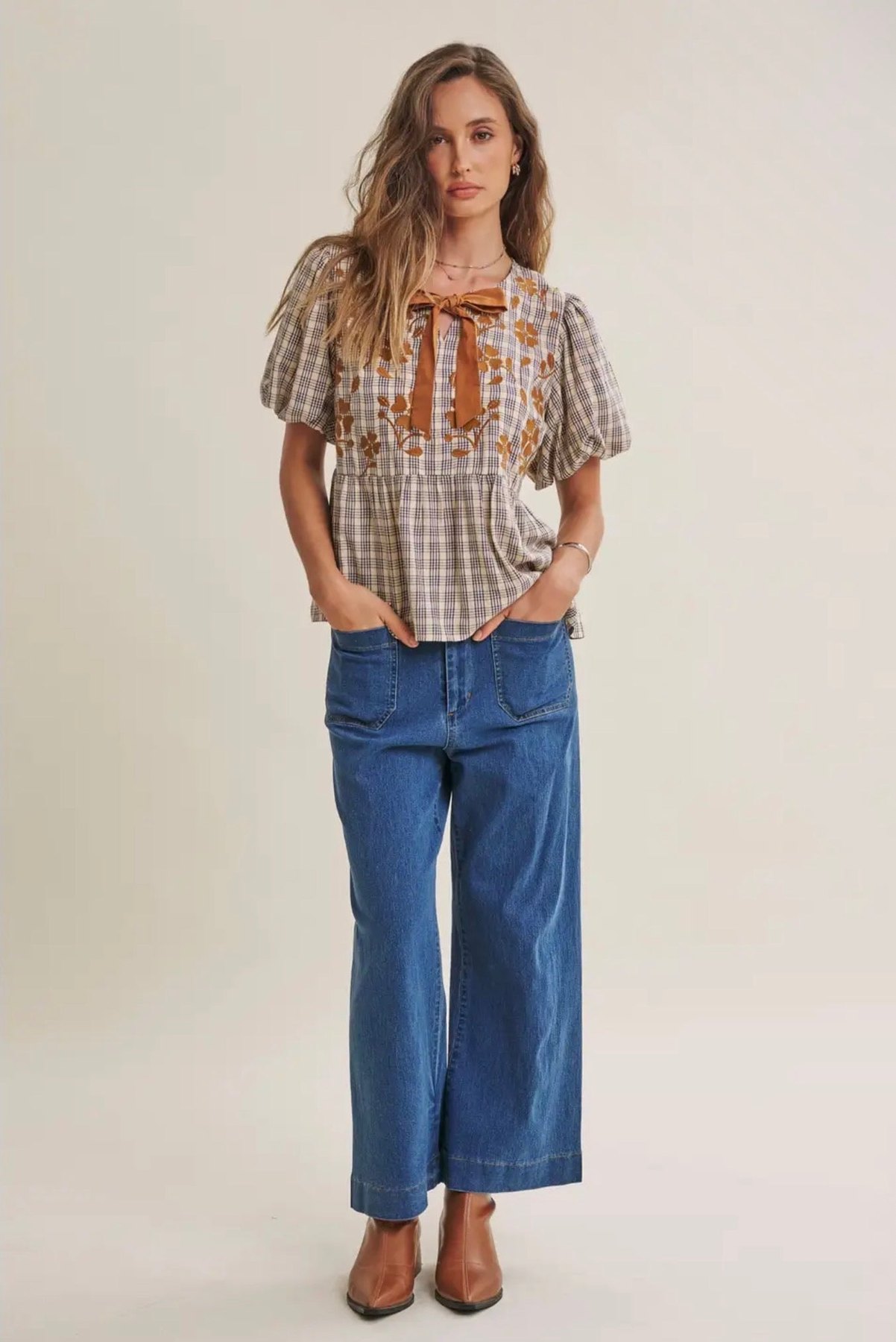
A tonal outfit gathers pieces from one color family and gives each room to be a little different. Cream can sit beside oat, soft pink beside rose, or several shades of blue in one easy look. The result feels considered, but it does not depend on exact matching. Start with what you enjoy wearing, then use texture and proportion to make the palette feel lively.
Choose a starting shade
Begin with one piece you already reach for: a favorite top, a pair of trousers, or a skirt in a color that feels good to you. Use it as the anchor, and look for other pieces that share its general temperature or mood. A warm ivory and a sandy beige can make a relaxed pairing; dusty pink and berry can feel a touch richer while staying within one family.
Exact color matching is rarely necessary. In fact, a slight variation often keeps the outfit from looking like a uniform. If you are getting dressed in changing light, check the pieces together near a window or in a shaded spot. Seeing the shades side by side makes it easier to decide whether their differences feel harmonious.
Let texture do some work
When the colors are close, texture becomes an especially useful source of contrast. Try a ribbed knit with a smooth woven piece, or pair a softly patterned top with a solid layer in a nearby shade. The eye notices those surface changes even when the palette stays quiet, giving a simple combination more character without adding another color.
Keep the mix comfortable and practical for the day ahead. A light layer can be easy to add or remove as you move between sun and shade, while a softer texture can make a polished color story feel relaxed. If dust or a busy schedule is part of the day, choose pieces you can move around in and check each garment's care label when it is time to refresh it.
Balance shape and detail
A tonal palette makes proportion easier to notice, so think about how the pieces meet rather than trying to create a dramatic contrast. A more relaxed top can pair with a cleaner line below, or a fitted layer can balance a fuller skirt. These are possibilities, not rules; the best combination is the one that lets you move and feel at ease.
Small details can finish the look without breaking its calm. A tucked hem, a turned cuff, or a simple piece of jewelry adds intention while keeping the color story connected. If the outfit feels too uniform, change one element—perhaps the texture, sleeve shape, or depth of shade—instead of rebuilding everything.
A tonal outfit is less about matching than about noticing how neighboring shades work together. Start with a color you love, add variation through texture and shape, and leave space for the combination to feel personal. That quiet cohesion can make getting dressed simpler while still giving an everyday outfit its own point of view.