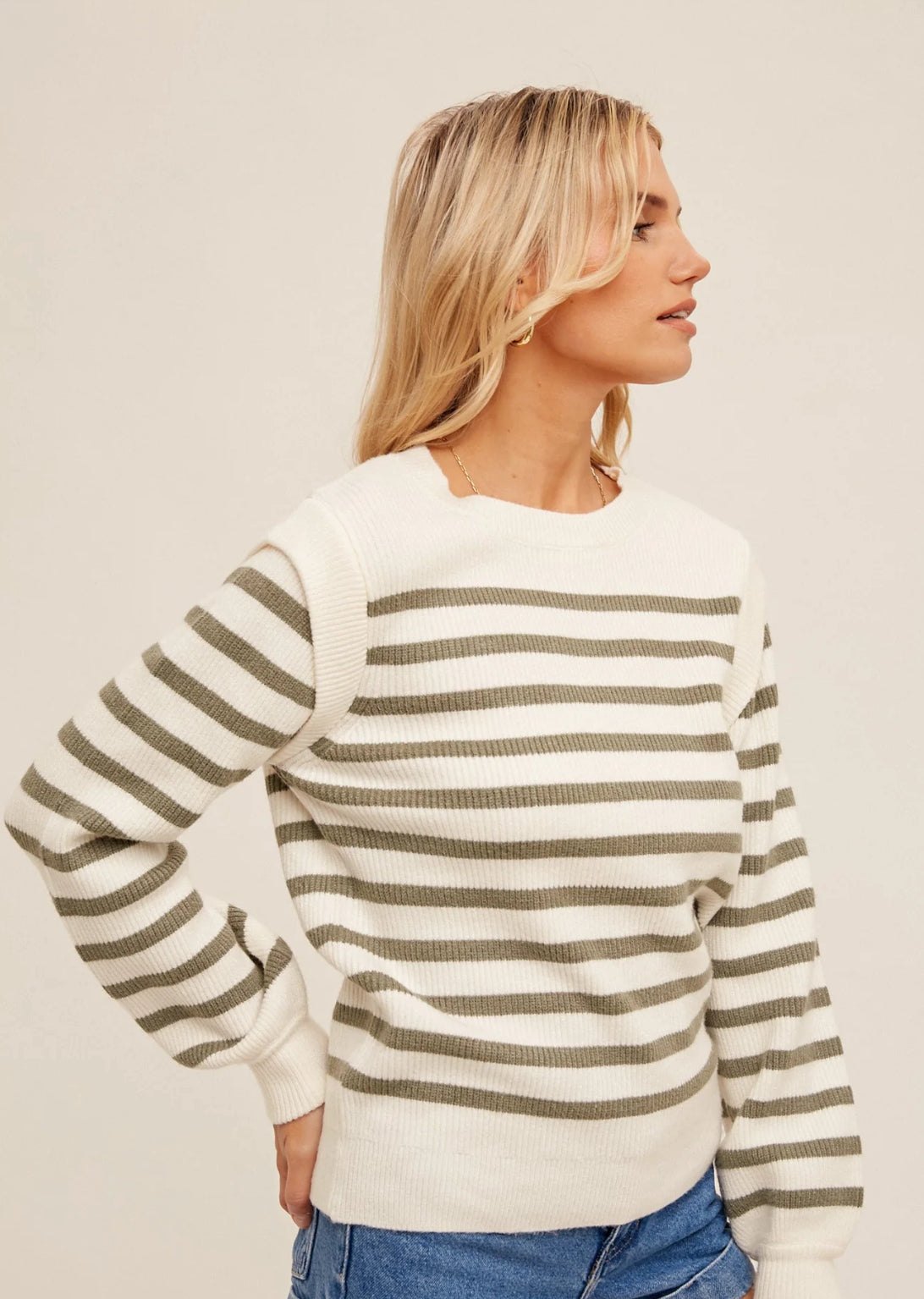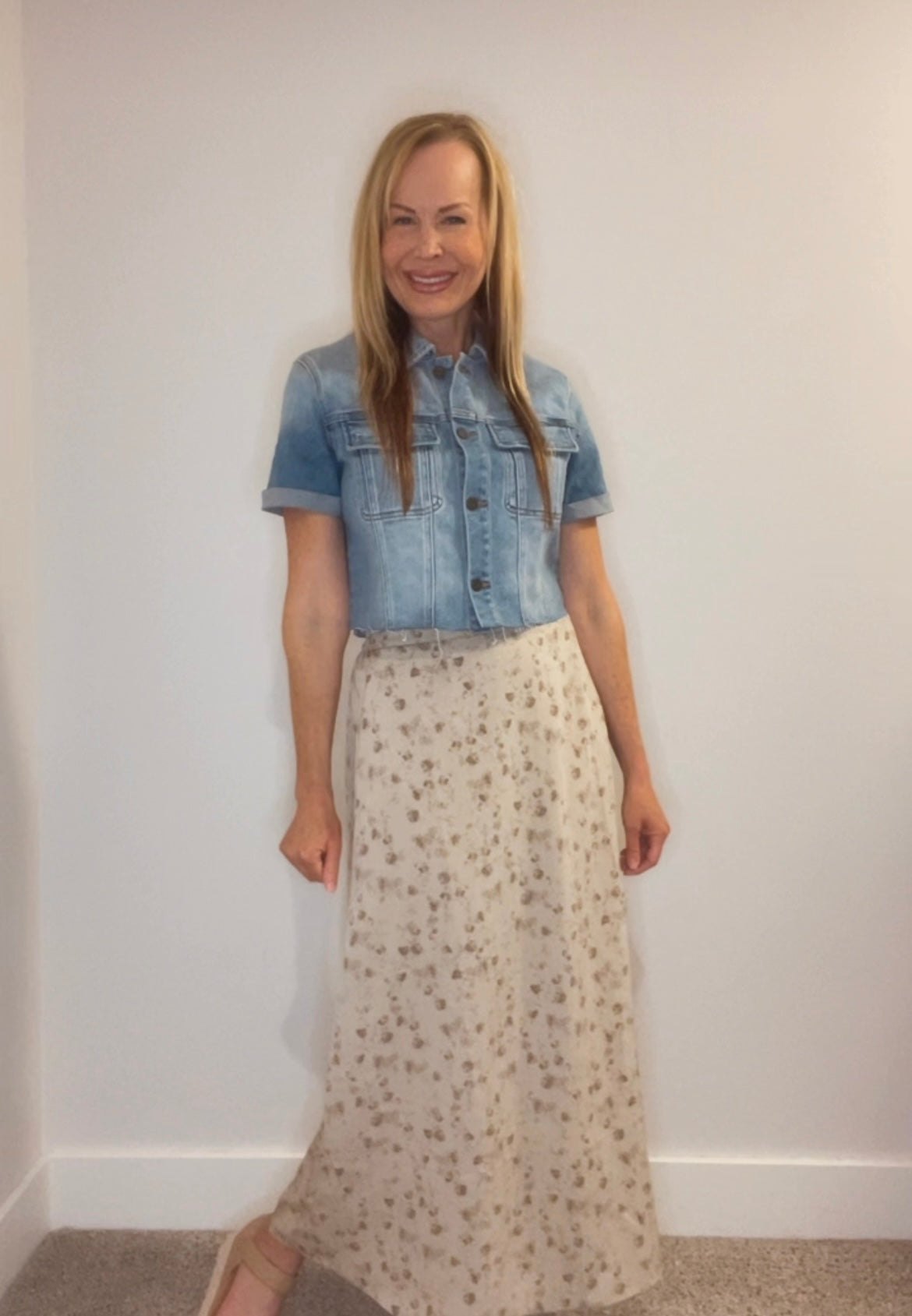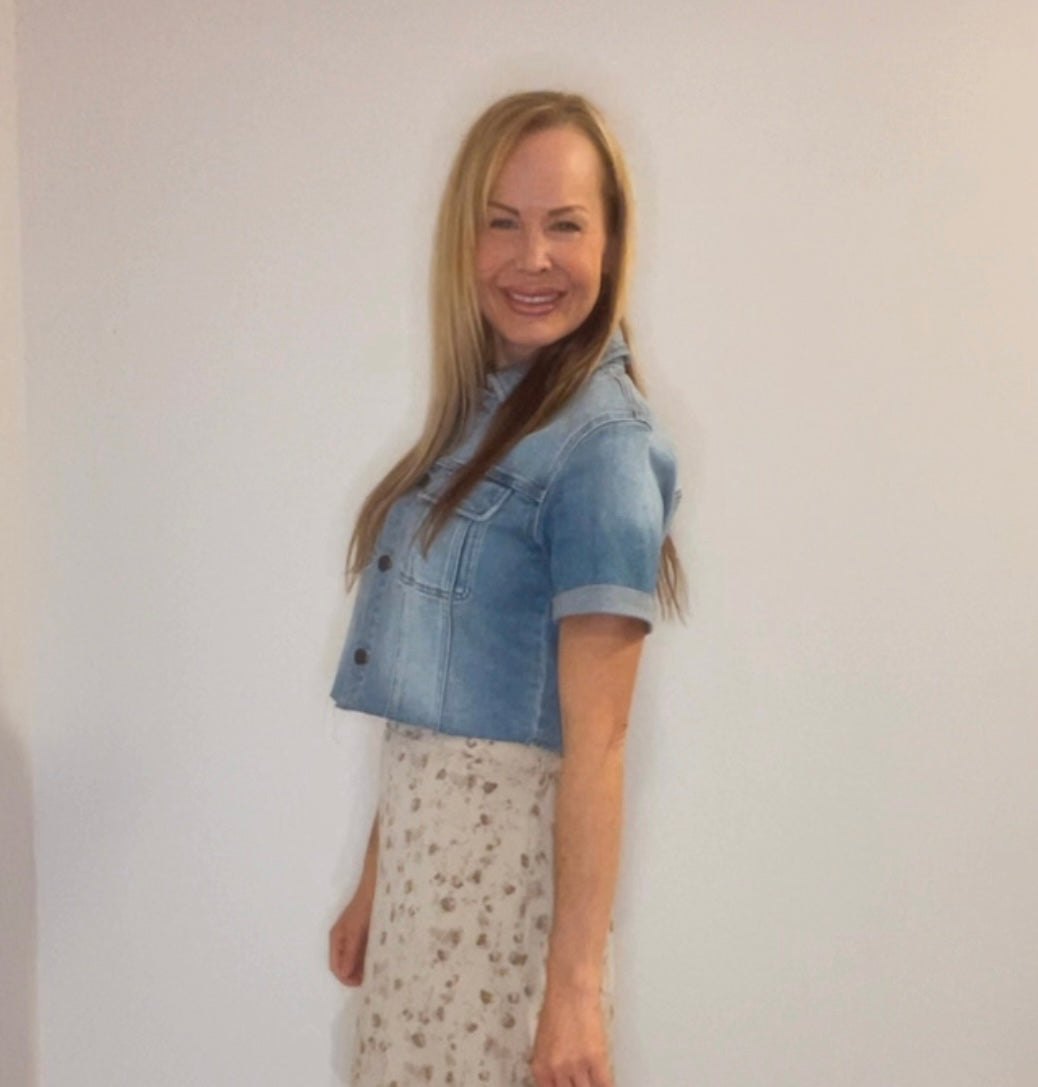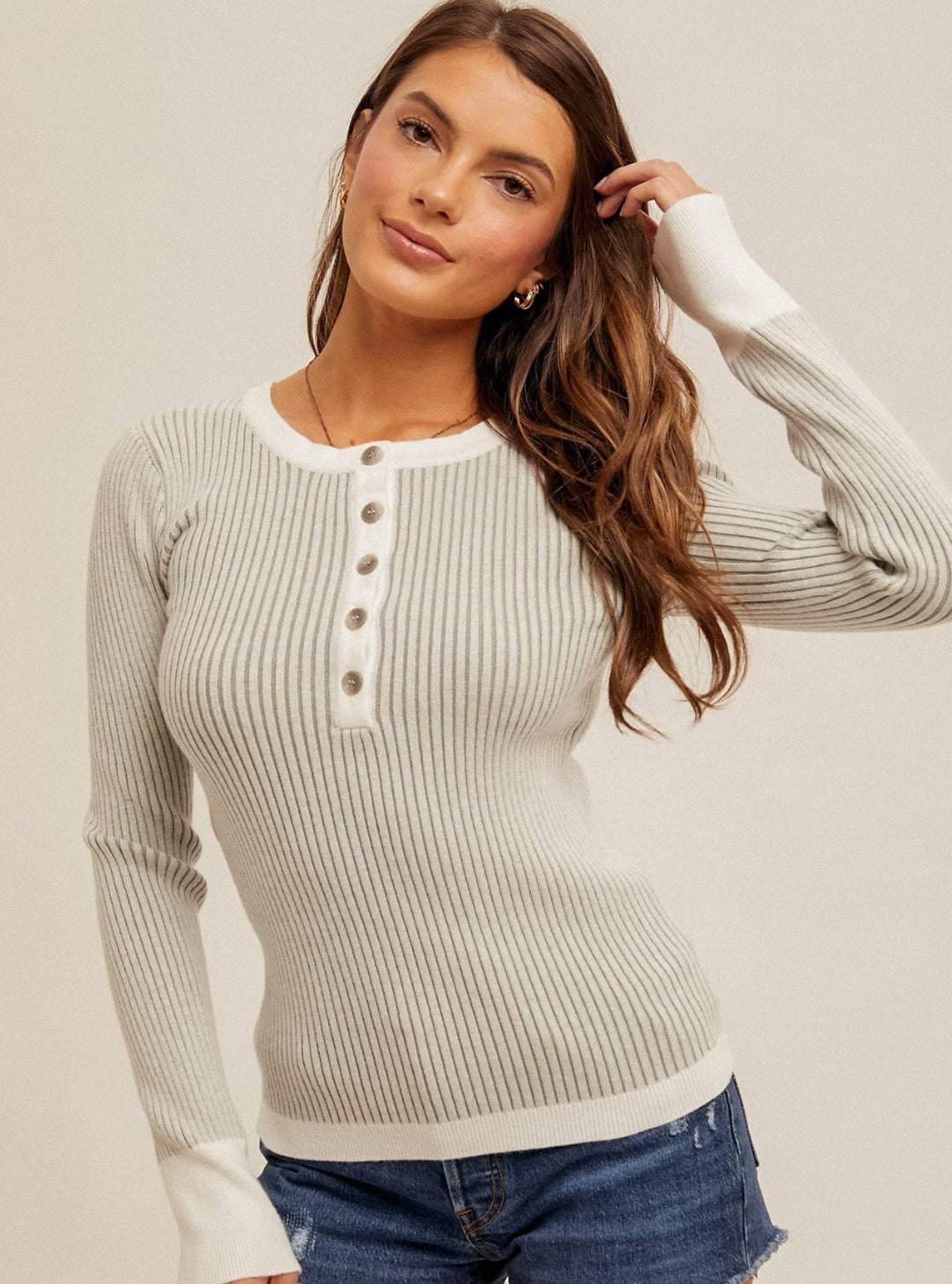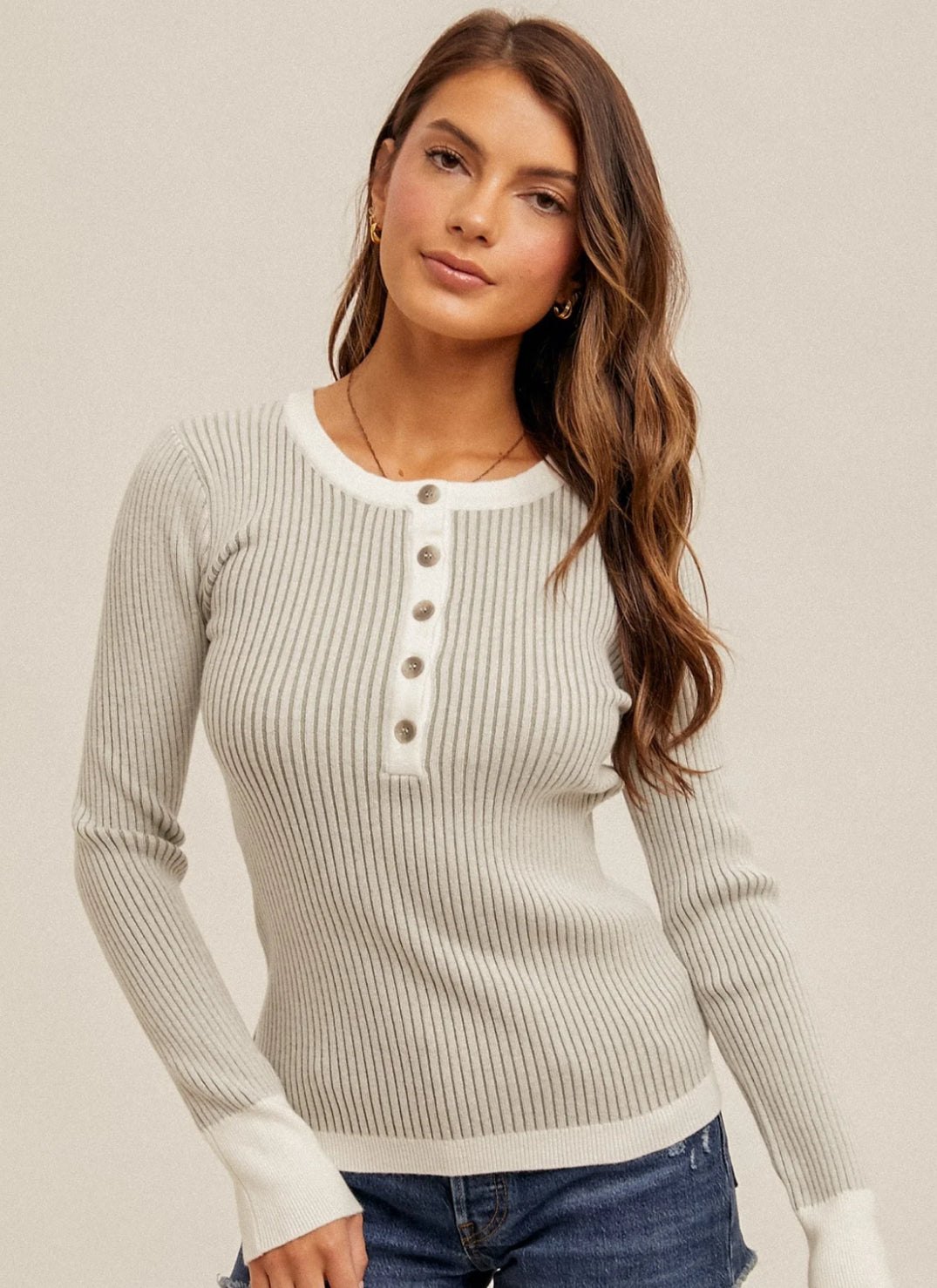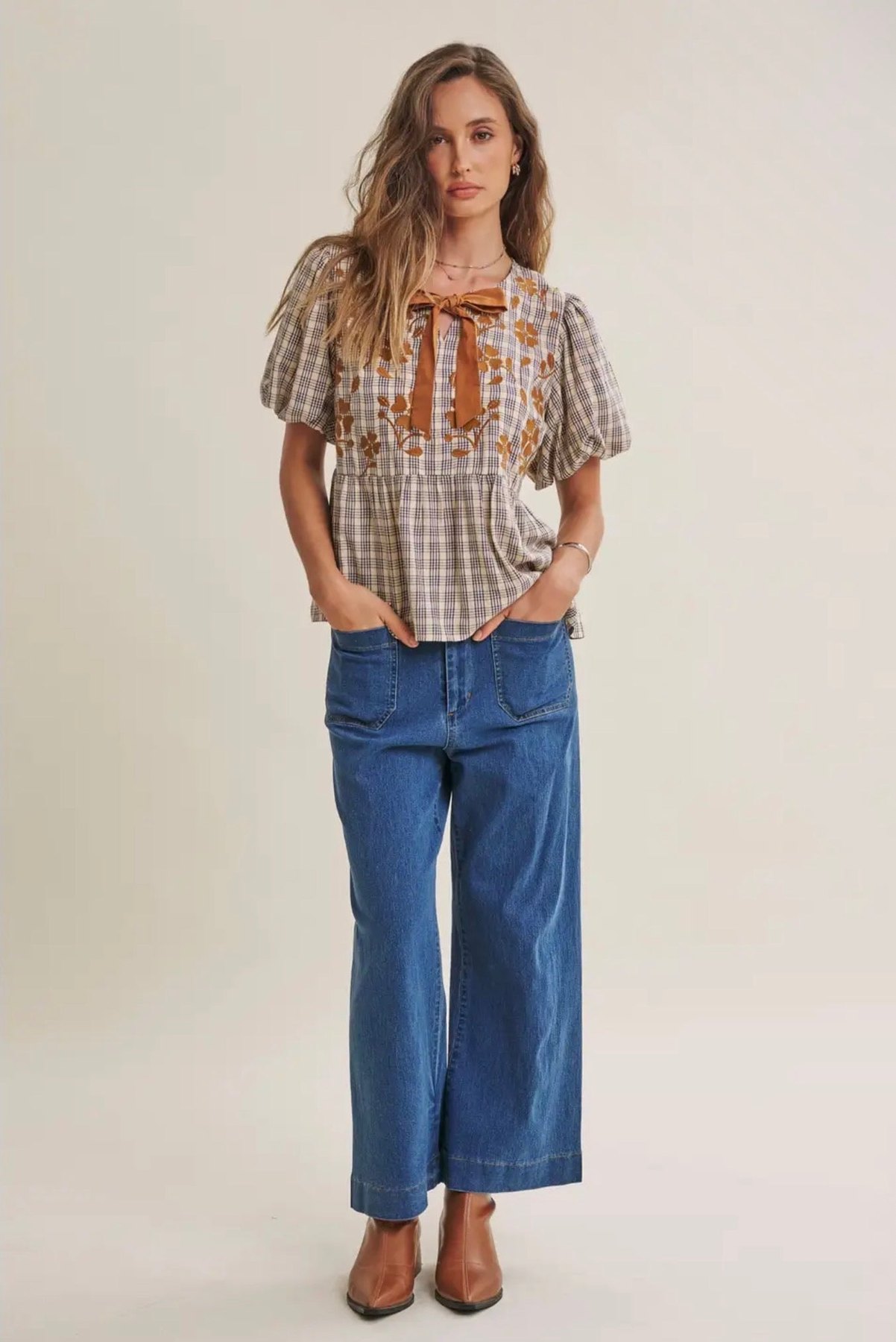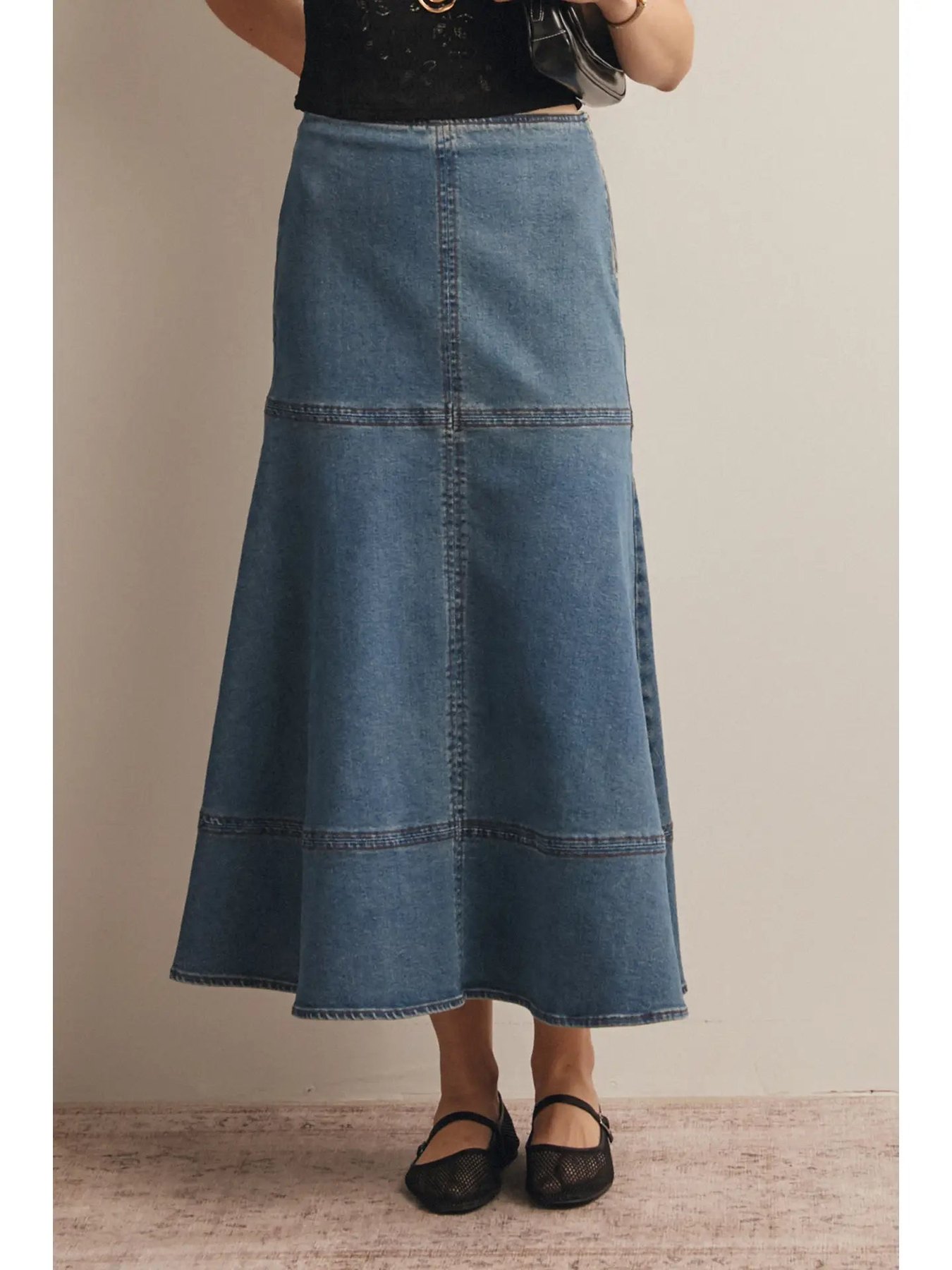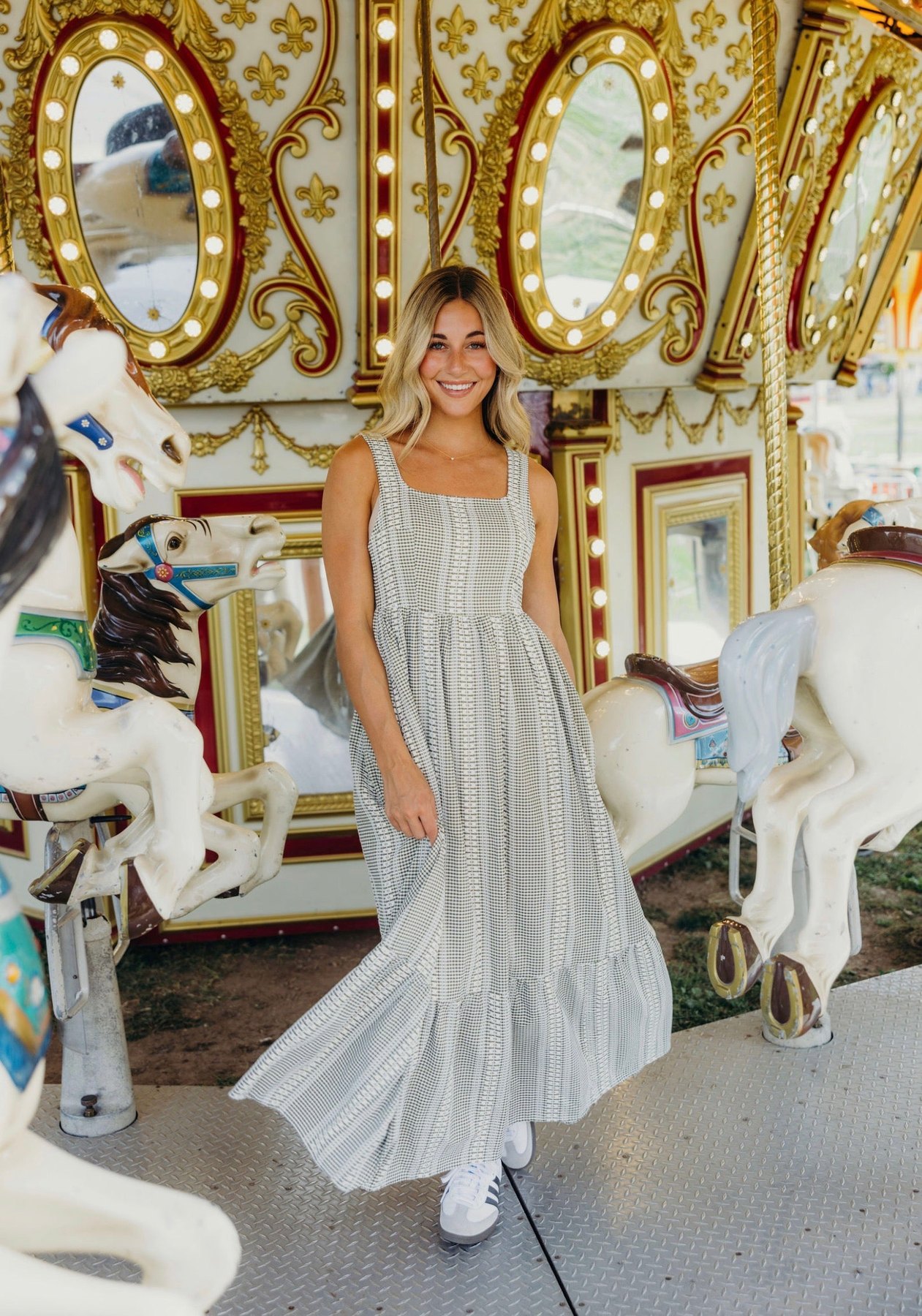
A long layer can change the rhythm of an outfit: a cardigan swings as you walk, an open shirt creates a clean vertical line, and a light jacket adds definition without demanding center stage. The trick is not to follow a fixed rule about what must be fitted or cropped. Instead, notice where each piece ends, how much of the layer beneath remains visible, and whether you can move comfortably through the day.
Choose a clear hem relationship
Start by looking at the two longest hems in your outfit. If a long outer layer falls well below a tunic or shirt, the overlap can feel intentional when the inner hem is either clearly visible or fully covered. A narrow strip peeking out may work, too; check it from the side and back so it feels considered from every angle.
For an easy proportion, pair a thigh-length open layer with a top that ends around the hip, then add straight or gently tapered trousers. The different lengths create movement without crowding the silhouette. If you prefer a longer top beneath, let it show evenly rather than bunching at the sides.
Give volume room to move
Long layers often have their own swing, so consider the shape of the pieces underneath. A fluid duster over a simple tee and relaxed trousers feels calm; over several voluminous layers, it may feel busier than you intended. Try one piece with more structure, such as a smooth knit or a trouser with a clean line, to give the outfit a little visual pause.
You can also adjust the balance without changing the base outfit. Push sleeves back slightly, leave a few front buttons open, or wear the outer layer unfastened. These small choices reveal the shape beneath and help you move easily. Keep the layer in place while sitting and reaching, not just while standing at the mirror.
Use shoes and color to finish the line
Footwear changes how a long layer meets the ground. A low-profile shoe keeps the outfit relaxed, while a boot can echo the length of a coat or cardigan. With wide hems, make sure the fabric falls cleanly over the shoe rather than catching or dragging; a small adjustment in trouser length can make the whole combination feel more deliberate.
Color offers another way to connect the pieces. Repeating one shade in a top and shoe can link separate lengths, while a contrasting inner layer gives an open jacket or cardigan a clear center. In Tucson, a light layer that can be taken off or added back is useful when sun, shade, and indoor comfort differ; choose the weight that suits your plans.
A well-proportioned long layer is less about disguising or reshaping anything than about arranging lengths so they work together. Let one hem lead, make room for movement, and use shoes or color to bring the outfit into focus. The best combination is the one that feels natural when you walk, sit, and go about your day.