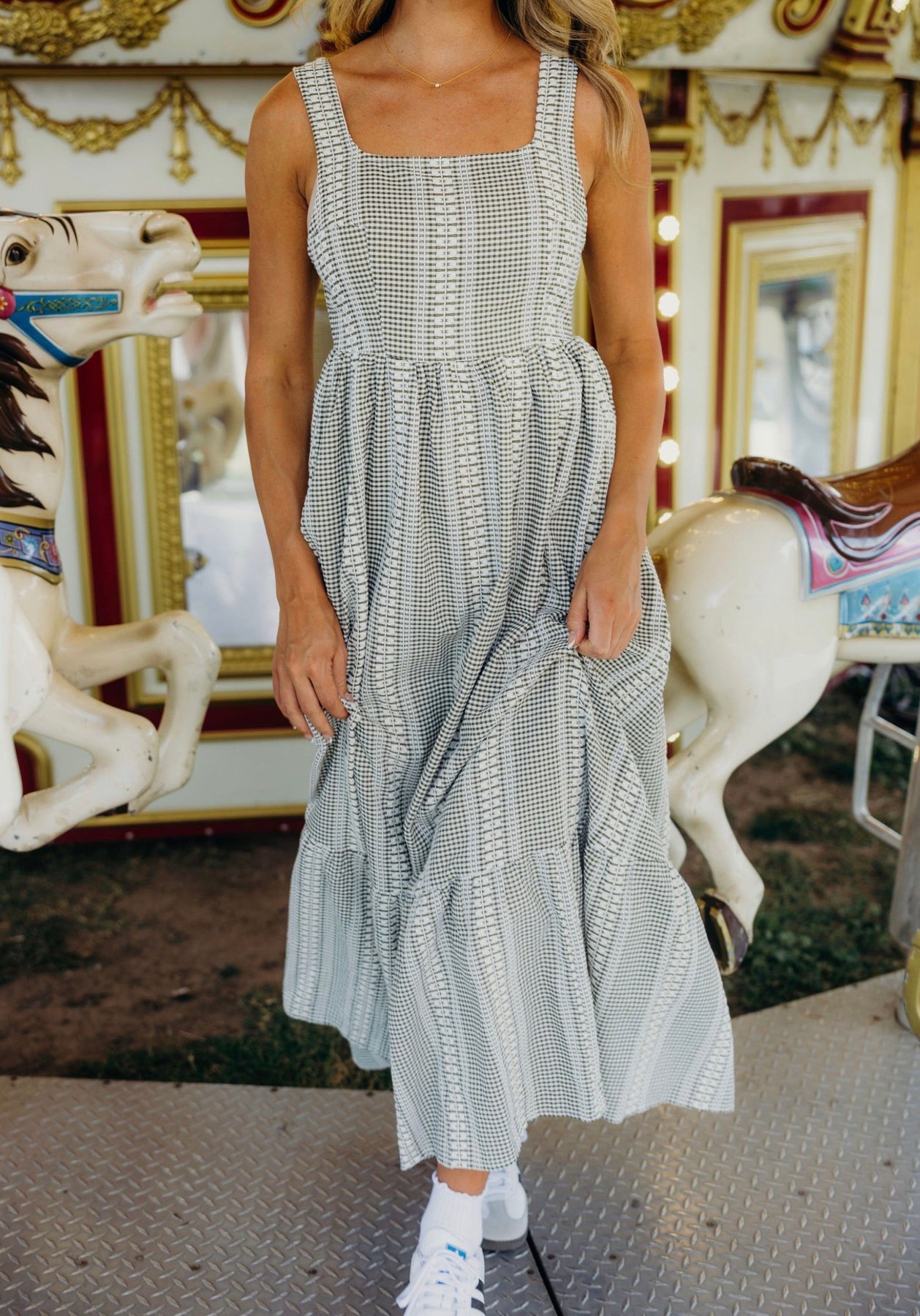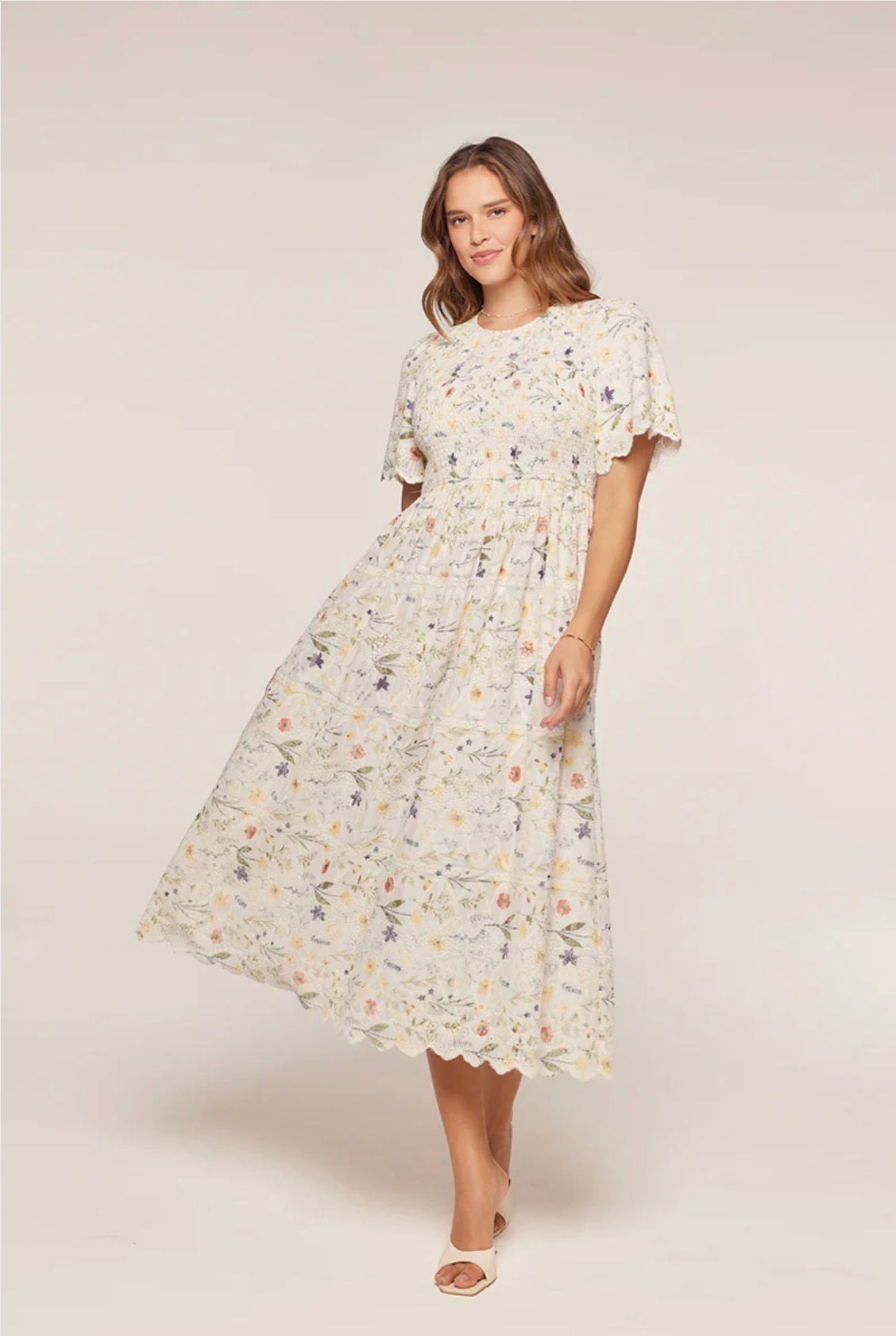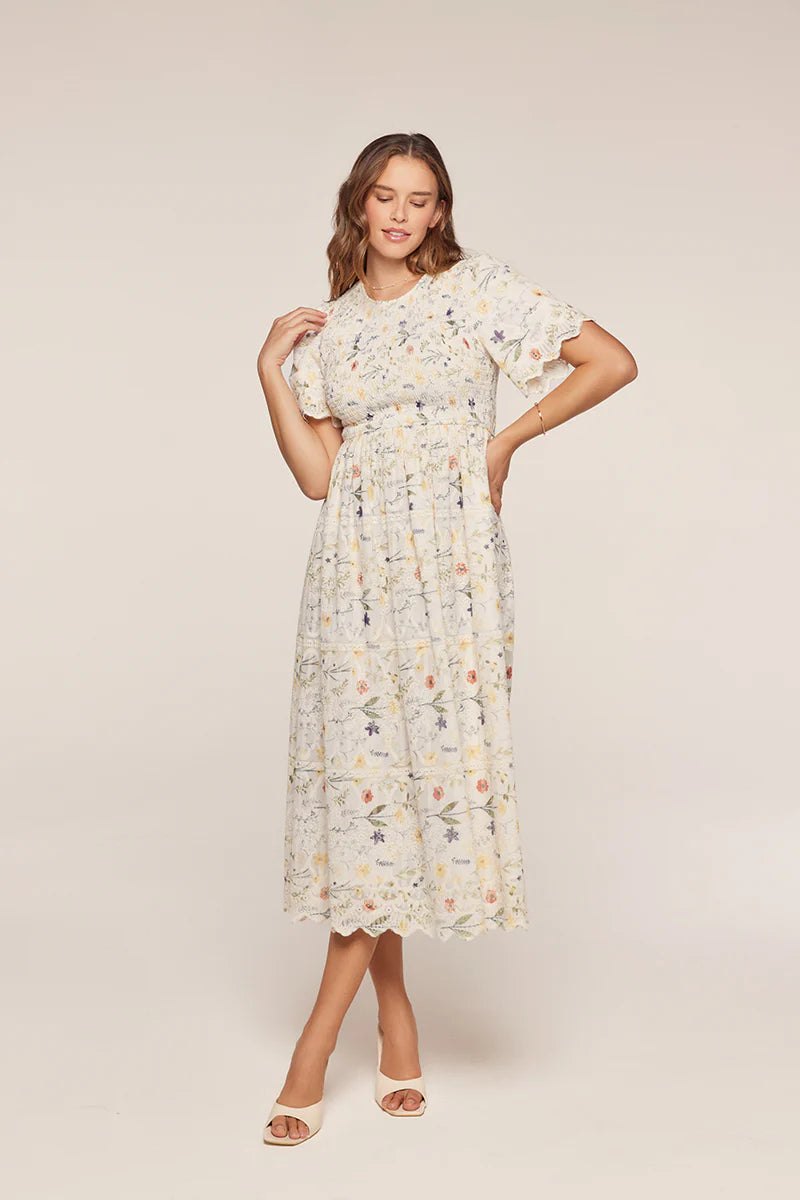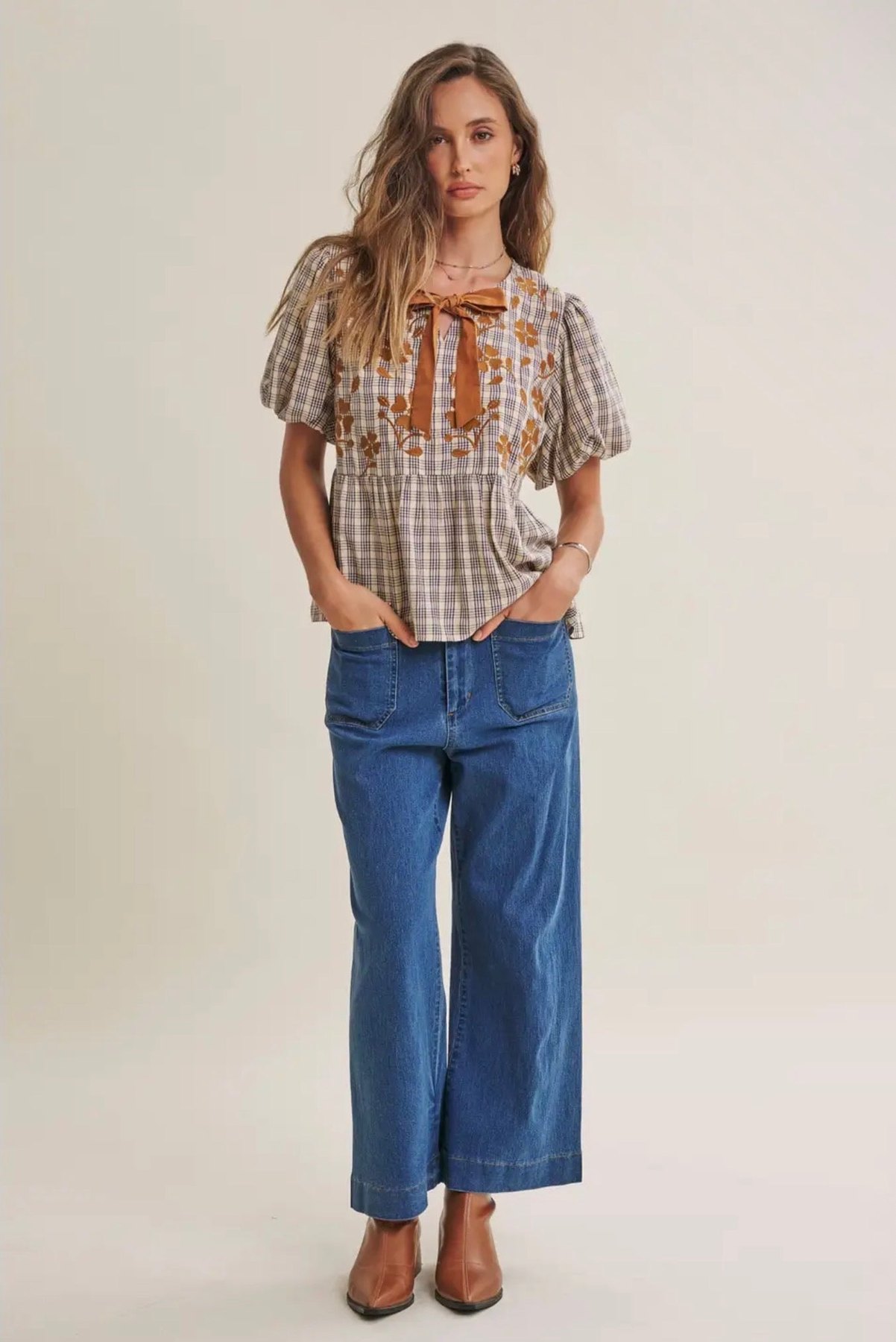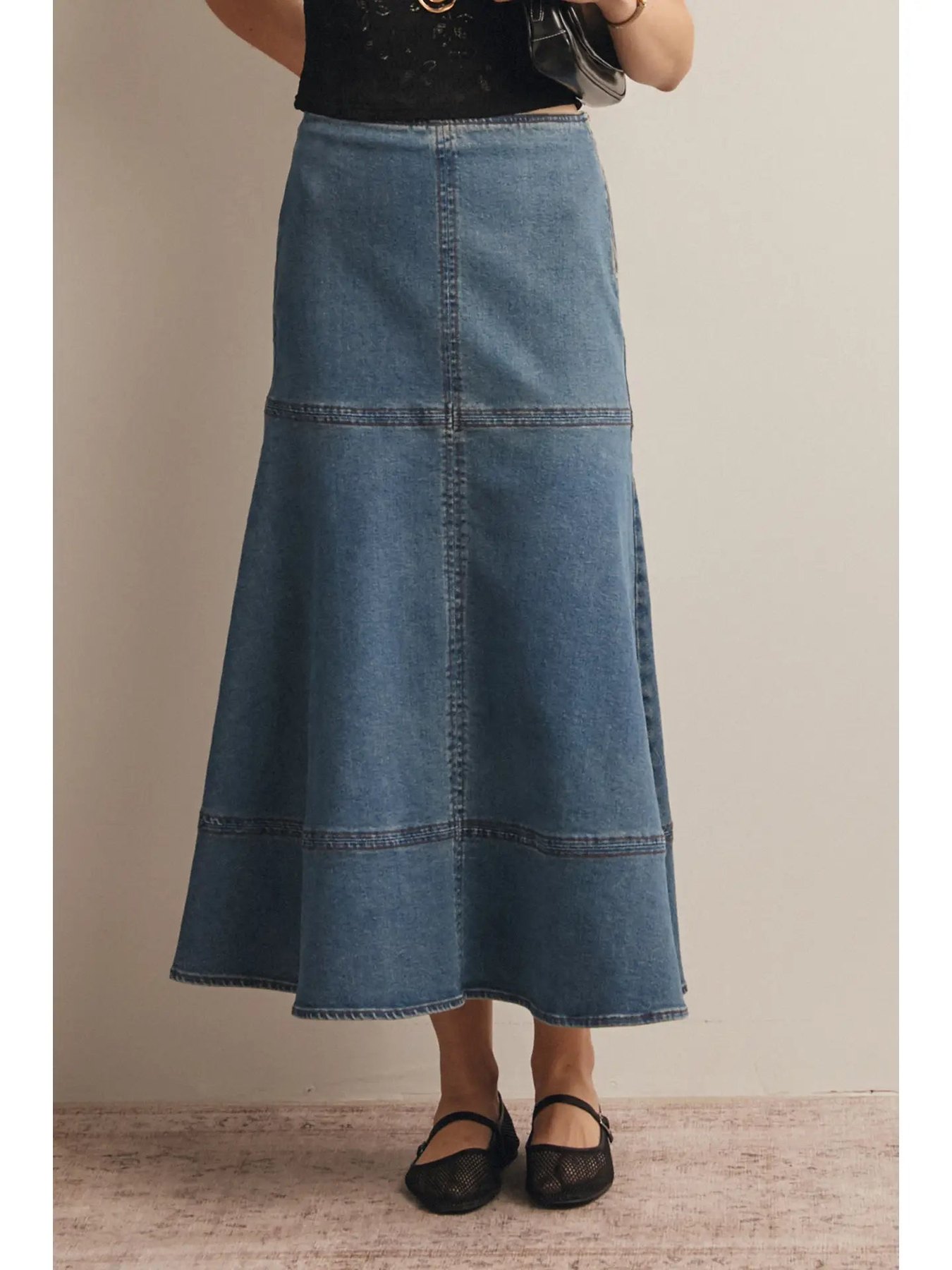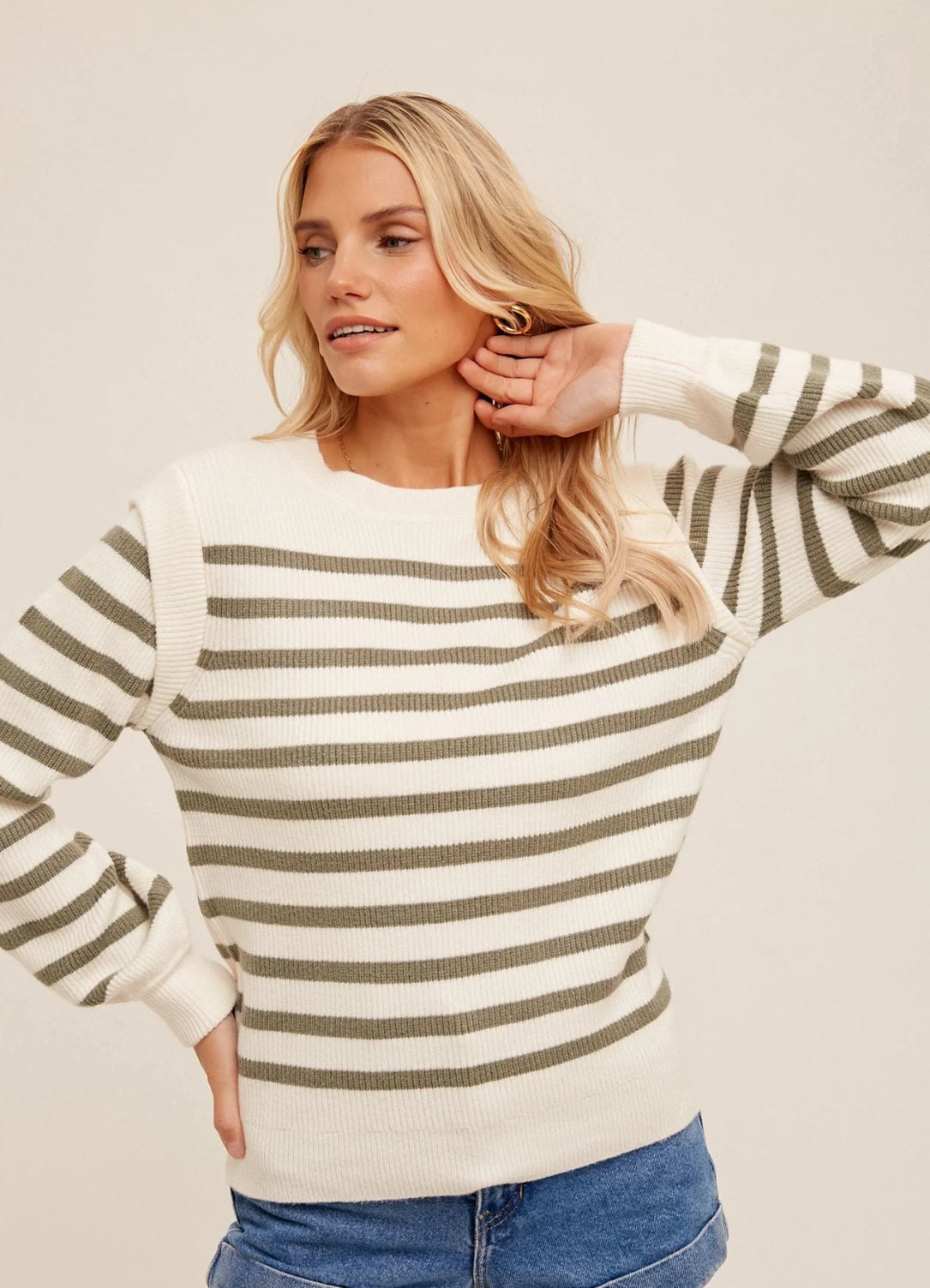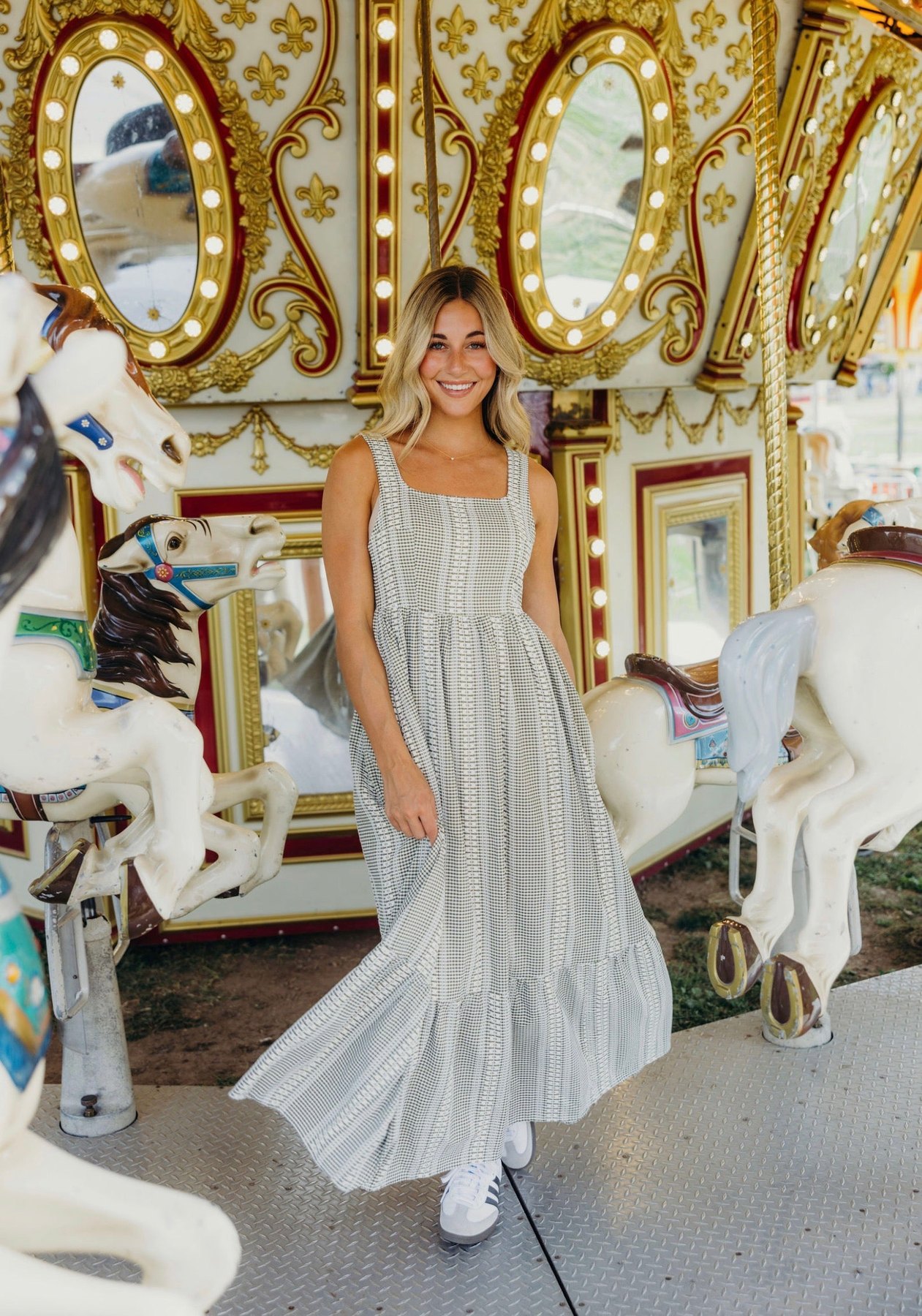
A patterned outfit does not need a complicated formula. A few thoughtful choices can help two prints feel connected rather than competitive: give them a color in common, let one lead, and pay attention to scale. The result can feel expressive and easy to wear, whether you are dressing for a sunny afternoon or an evening that calls for an extra layer.
Find a color that connects
Start by choosing the print you most want to wear, then look for a smaller color within it. Let that shade appear in the second print, even if it is only a narrow stripe or a few scattered details. For example, a blue-and-rust floral can pair with a fine blue check; the repeated blue gives the eye a clear path between the patterns.
The colors do not have to match exactly. A soft green beside a deeper olive, or a warm cream beside a muted tan, can create a similar sense of connection while keeping the outfit from looking overly coordinated. If the prints have no color in common, try a solid layer or accessory in a shared middle shade to bring them together.
Let pattern scale do some work
Contrast the size of the motifs so each print has room to register. A broad, open floral often sits comfortably beside a narrow stripe or small geometric pattern. Two busy prints with similarly sized details may feel harder to read at a glance, while a difference in scale creates a little breathing space without making either one disappear.
Think about where each pattern appears, too. A printed skirt with a smaller-patterned top can feel balanced, as can a patterned dress with a printed scarf tied loosely at the neck. When deciding between options, step back from the mirror and notice whether your eye can distinguish both prints. Adjusting the placement is often enough.
Give the outfit a quiet place to rest
A solid piece can make a mixed-print outfit feel intentional. A simple jacket, cardigan, belt, or bag gives the eye a pause between patterns. This can be especially useful when the prints are both colorful, or when you are adding a layer for changing comfort between sun and shade.
Keep the finishing details in conversation with the outfit rather than adding another competing pattern by default. Shoes in a neutral tone, a simple silhouette, or one piece of understated jewelry can help the prints remain the focus. There is no need to make every detail match; a calm element or two is often all the balance the outfit needs.
Mixing prints is a matter of making a few clear choices, not following strict rules. Begin with a color connection, play with contrasting scales, and add a quieter element if the outfit needs one. Once those pieces feel settled, trust your eye: the most successful combinations often have a little contrast and a sense of ease.