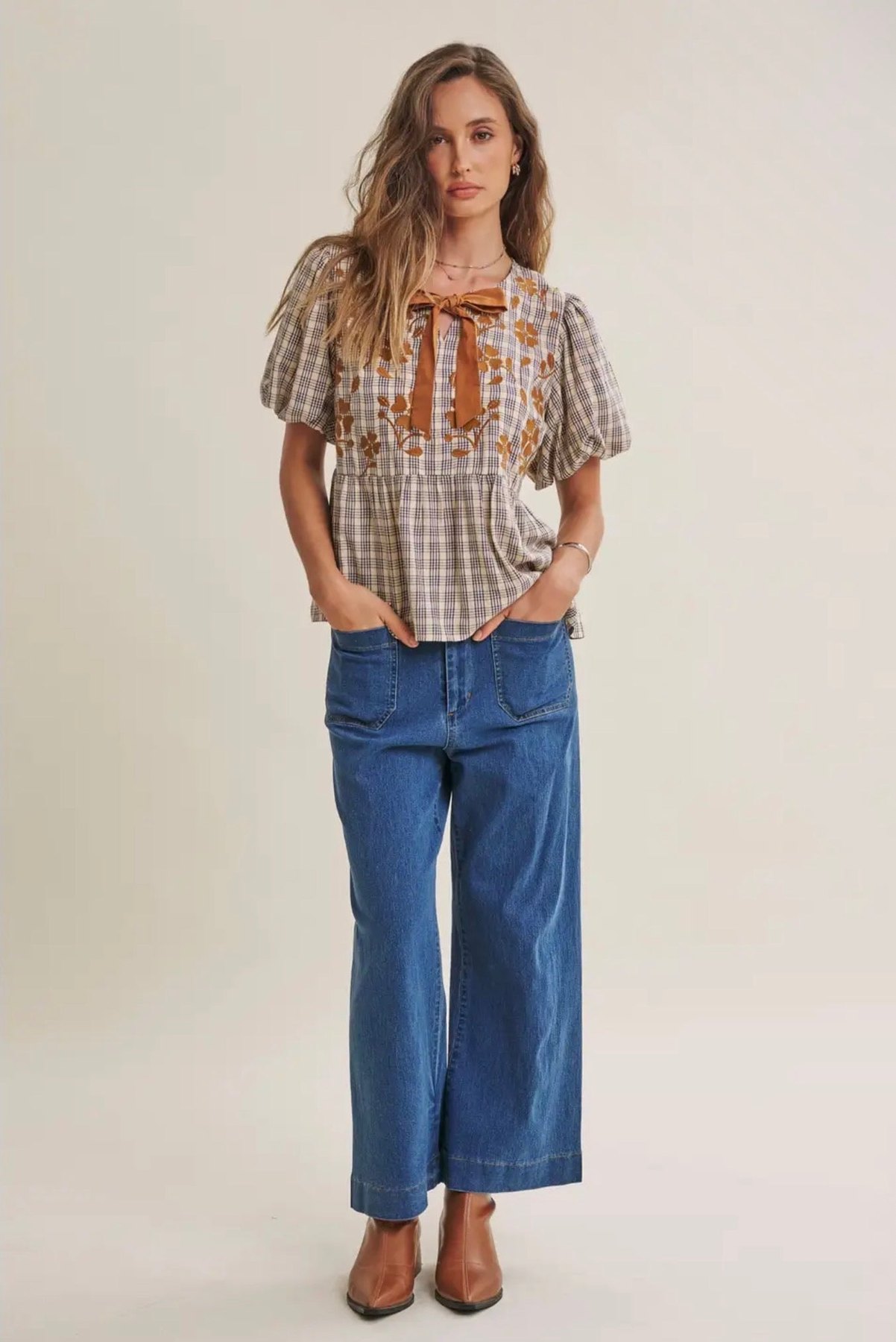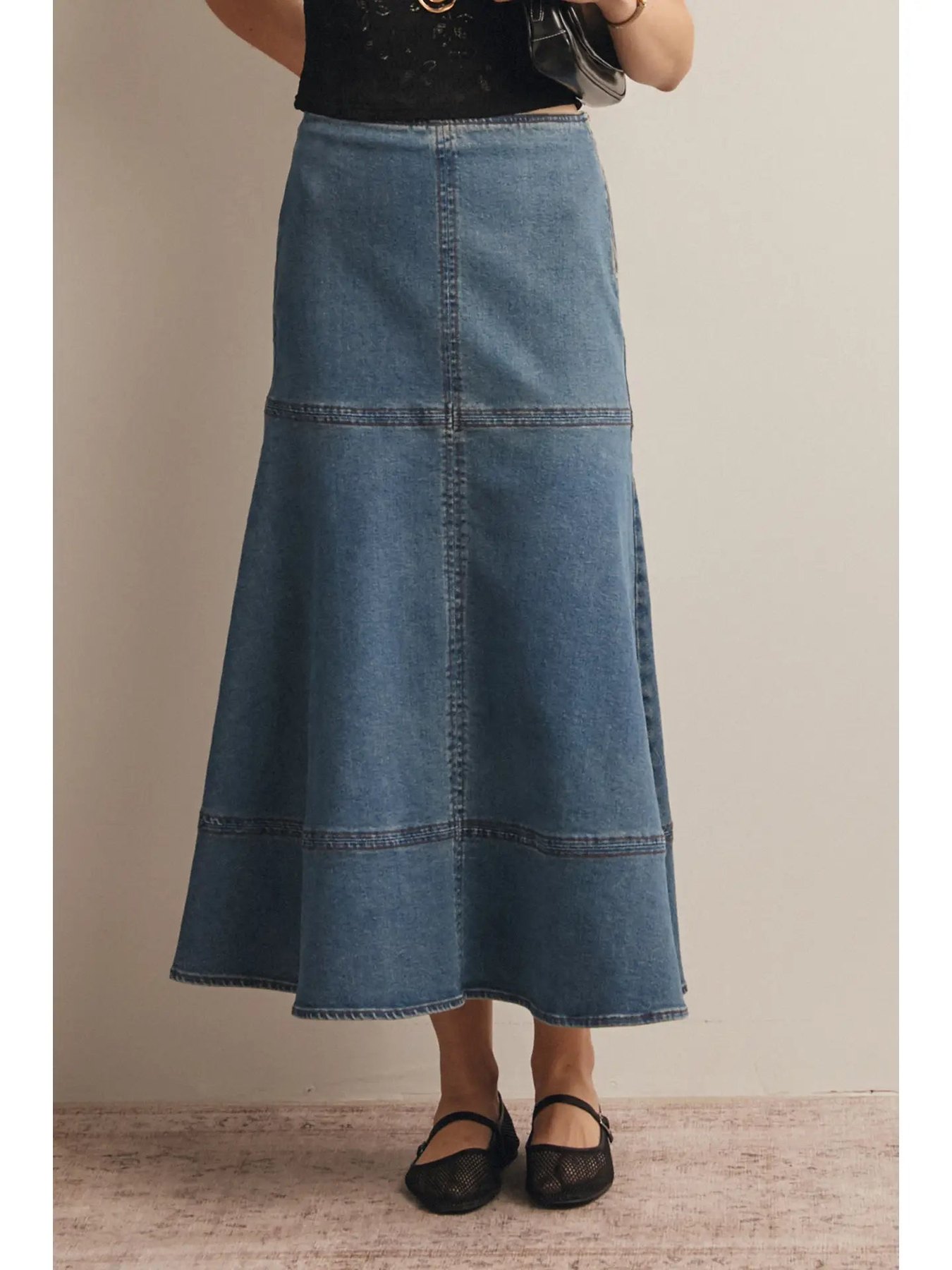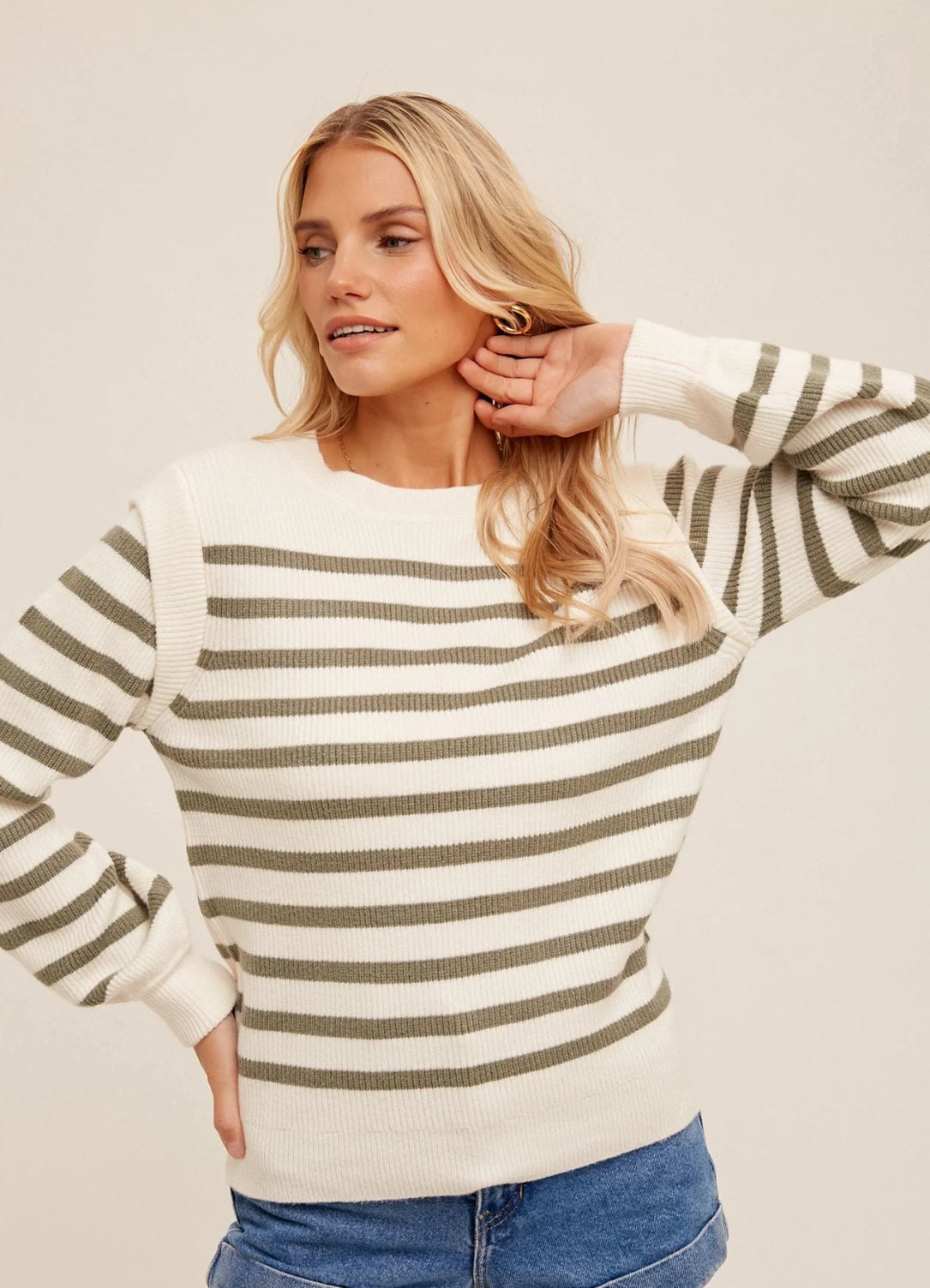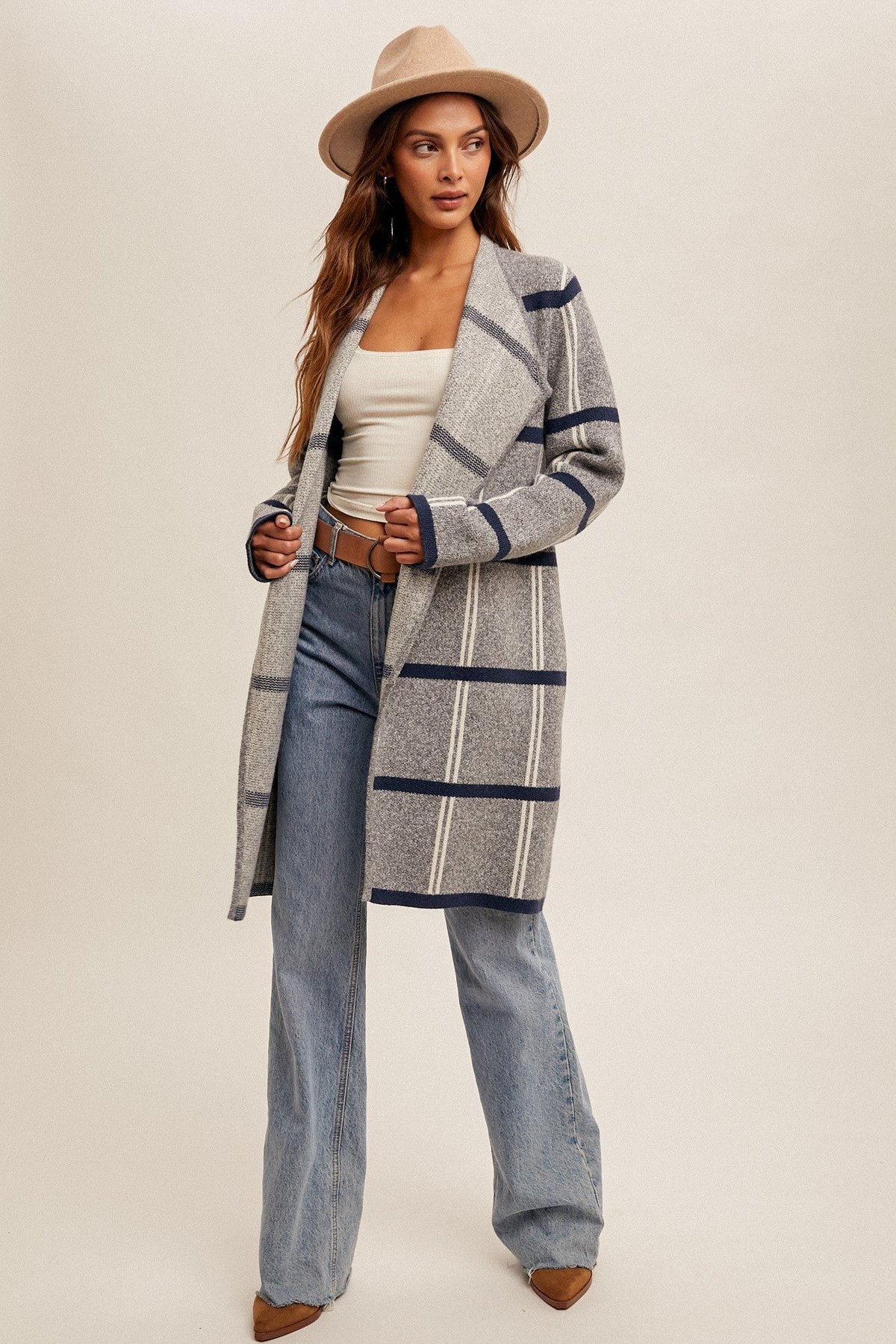
When an outfit feels unfinished, it is tempting to reach straight for a necklace or a statement bag. Try noticing the fabrics first. A little contrast between smooth, nubby, crisp, or fluid surfaces can make familiar pieces feel considered, while leaving room for accessories that genuinely suit the day.
Notice what your fabrics are already doing
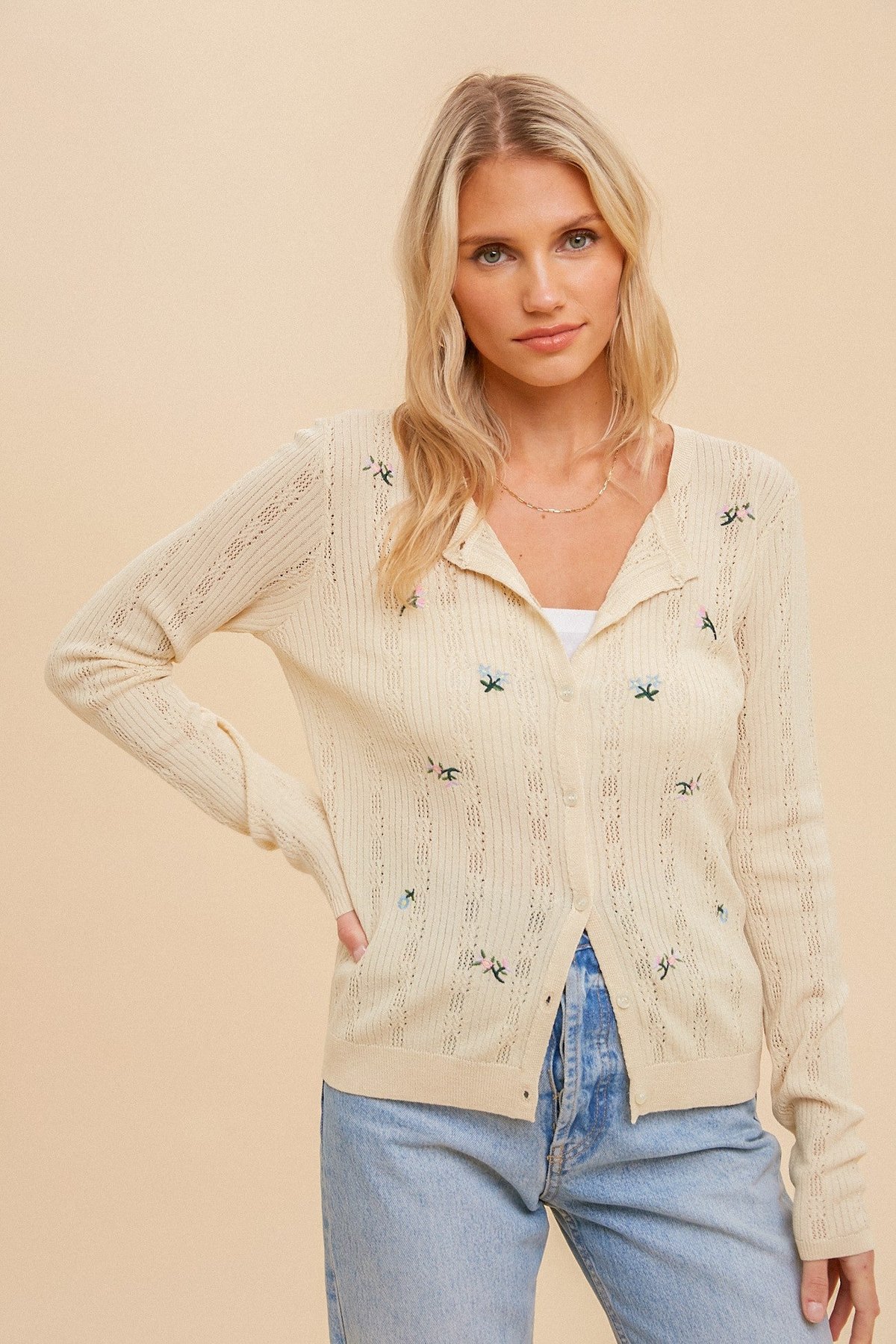
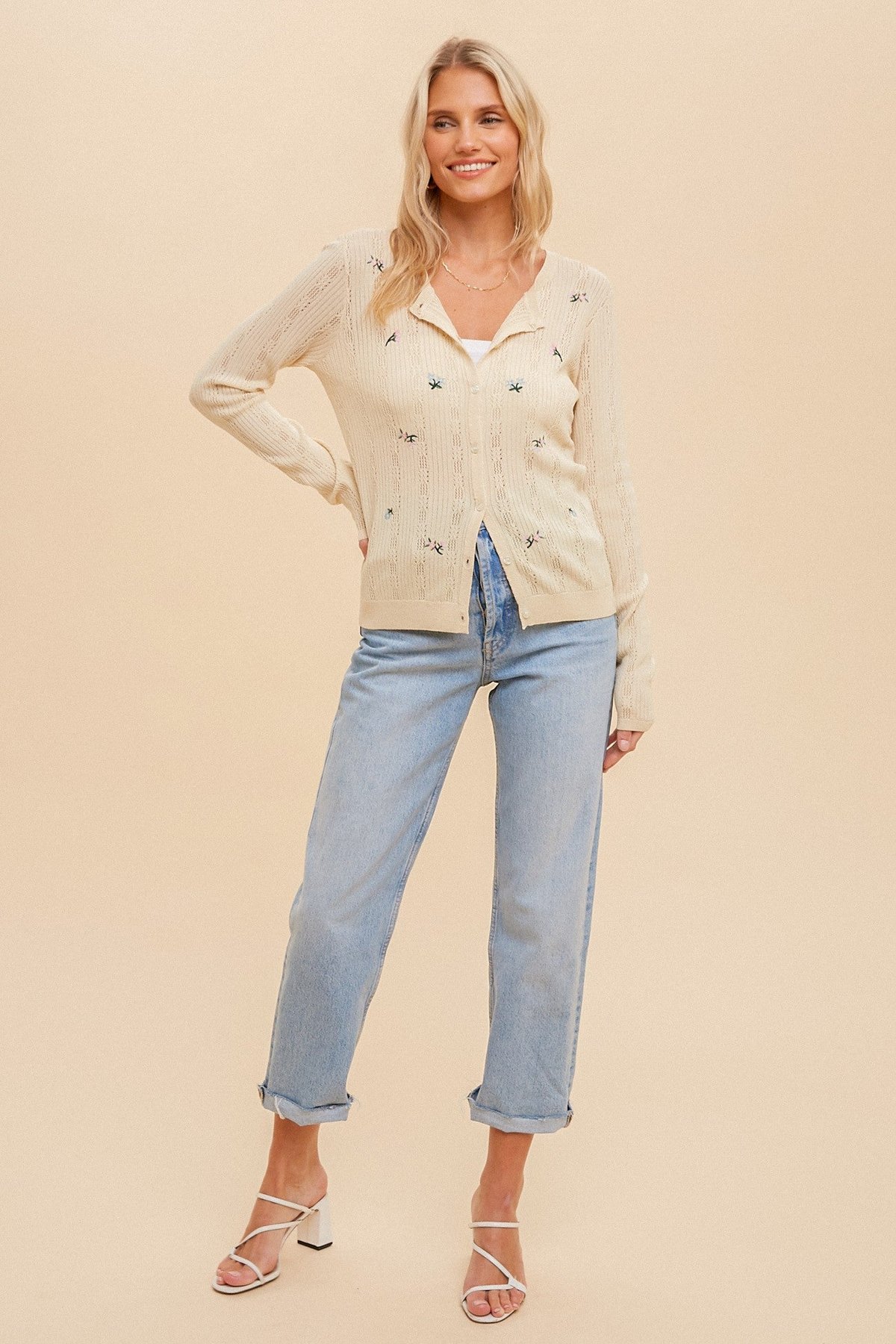
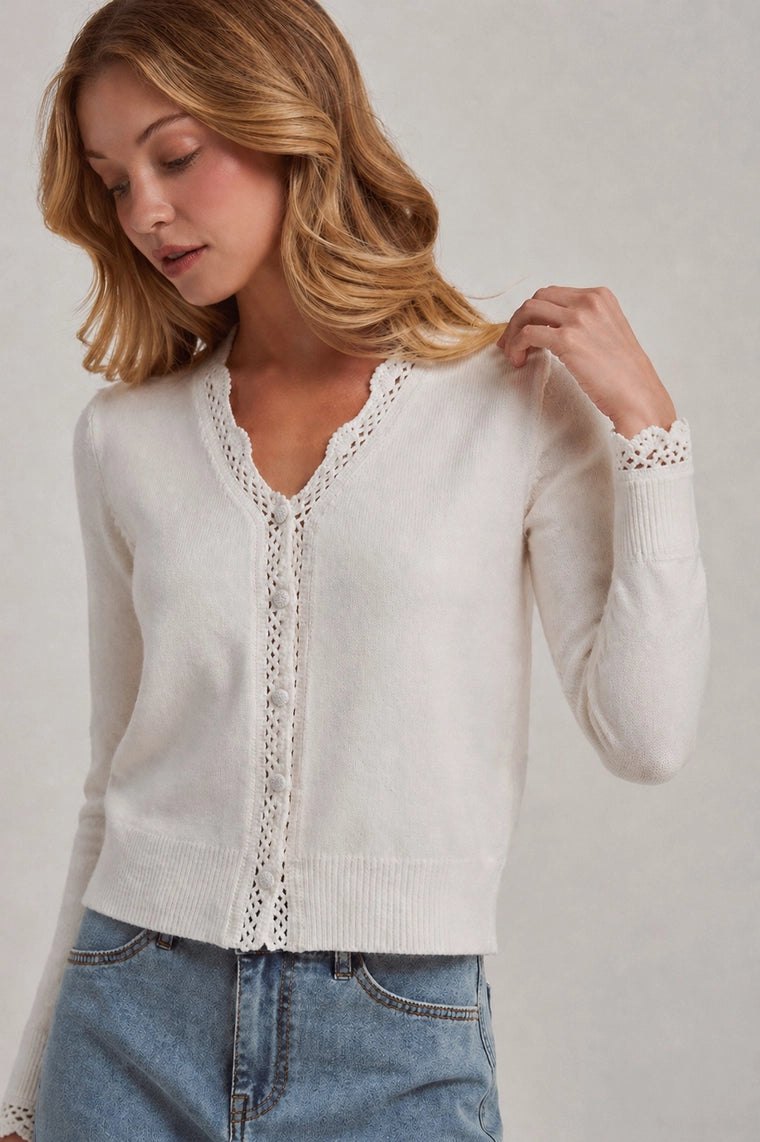
Lay out the main pieces and look for their surface qualities before deciding on extras. A fine-gauge knit beside a crisp cotton shirt has its own quiet contrast; a softly pleated skirt paired with a smooth top offers movement without needing a bold print. Texture gives the eye something to explore, even when the colors stay close.
Think in terms of a small conversation rather than a checklist. If one piece has a pronounced weave, let another feel calm and simple. Two or three distinct textures are often enough to make an outfit feel layered. The goal is not to collect contrasts for their own sake, but to give each fabric room to be noticed.
Balance weight and movement
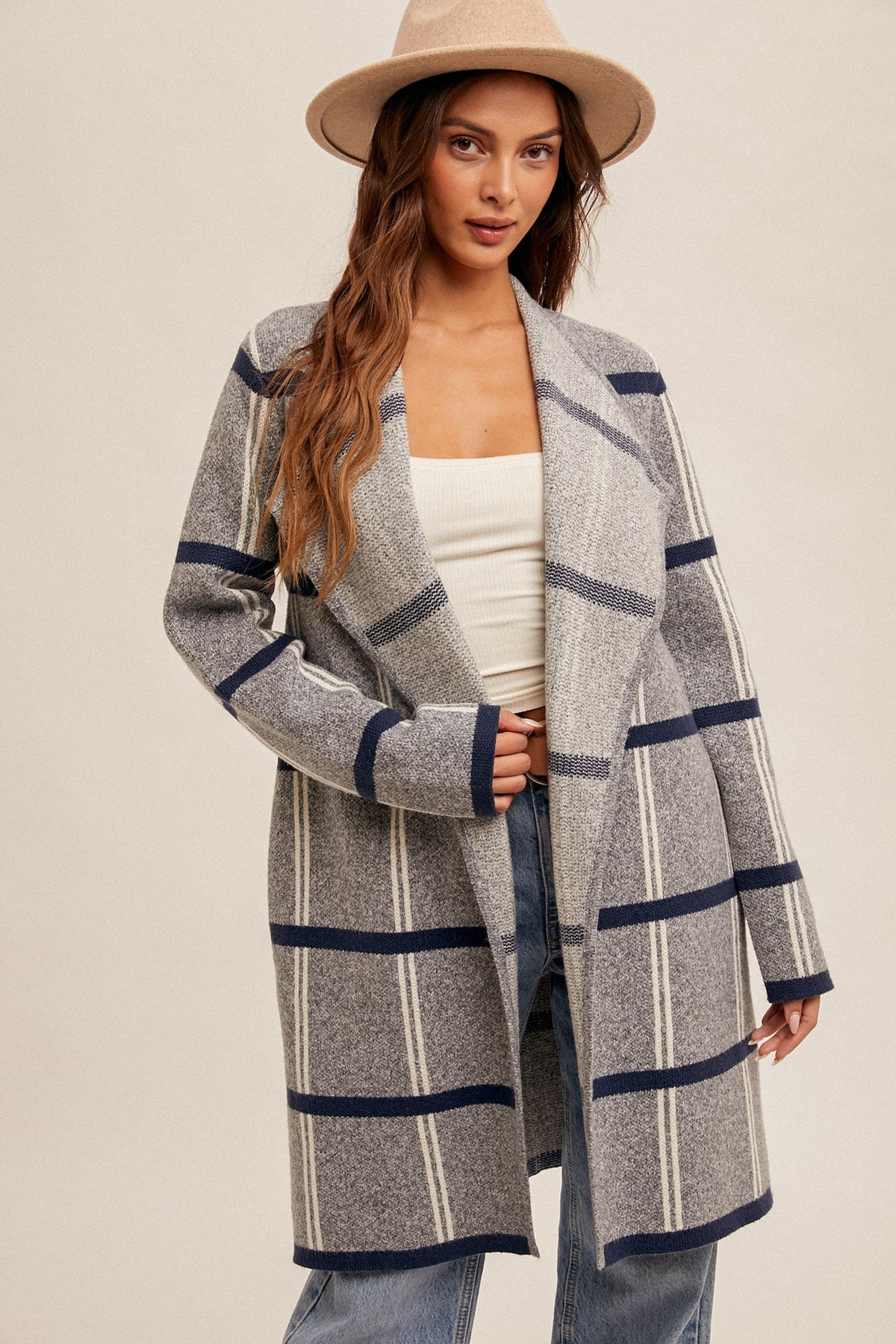
Texture changes how a garment reads, but weight and drape matter just as much. A substantial cardigan can sit comfortably over a light, flowing dress, while a structured shirt can bring definition to a softer skirt. Notice where fabric gathers, swings, or holds its shape as you move; those details can create interest more naturally than extra decoration.
For days that shift between sunny stretches and cooler shade, a removable layer can add both warmth and tactile contrast. Keep the combination comfortable for your plans, and consider how each piece feels when worn together rather than judging it only on a hanger. If one layer seems visually heavy, a smoother or lighter companion may restore balance.
Add accessories with a clear purpose
Once the outfit feels complete through its fabrics and silhouette, choose accessories to solve a small styling need. A belt might clarify the line of a loose layer; a simple bag can bring a practical finish; earrings may add a point of light near the face. You do not have to fill every open space.
Before adding another item, ask whether it contributes color, function, or a pleasing contrast. If the answer is unclear, pause and try the outfit without it. Dusty walks, bright sun, or a long day on your feet may call for practical choices rather than delicate details. Let comfort and context guide the final edit.
Starting with texture makes getting dressed feel less like solving an accessory puzzle and more like arranging pieces that already work together. Let fabric, shape, and movement establish the mood, then choose only the finishing touches that feel useful and distinctly yours.