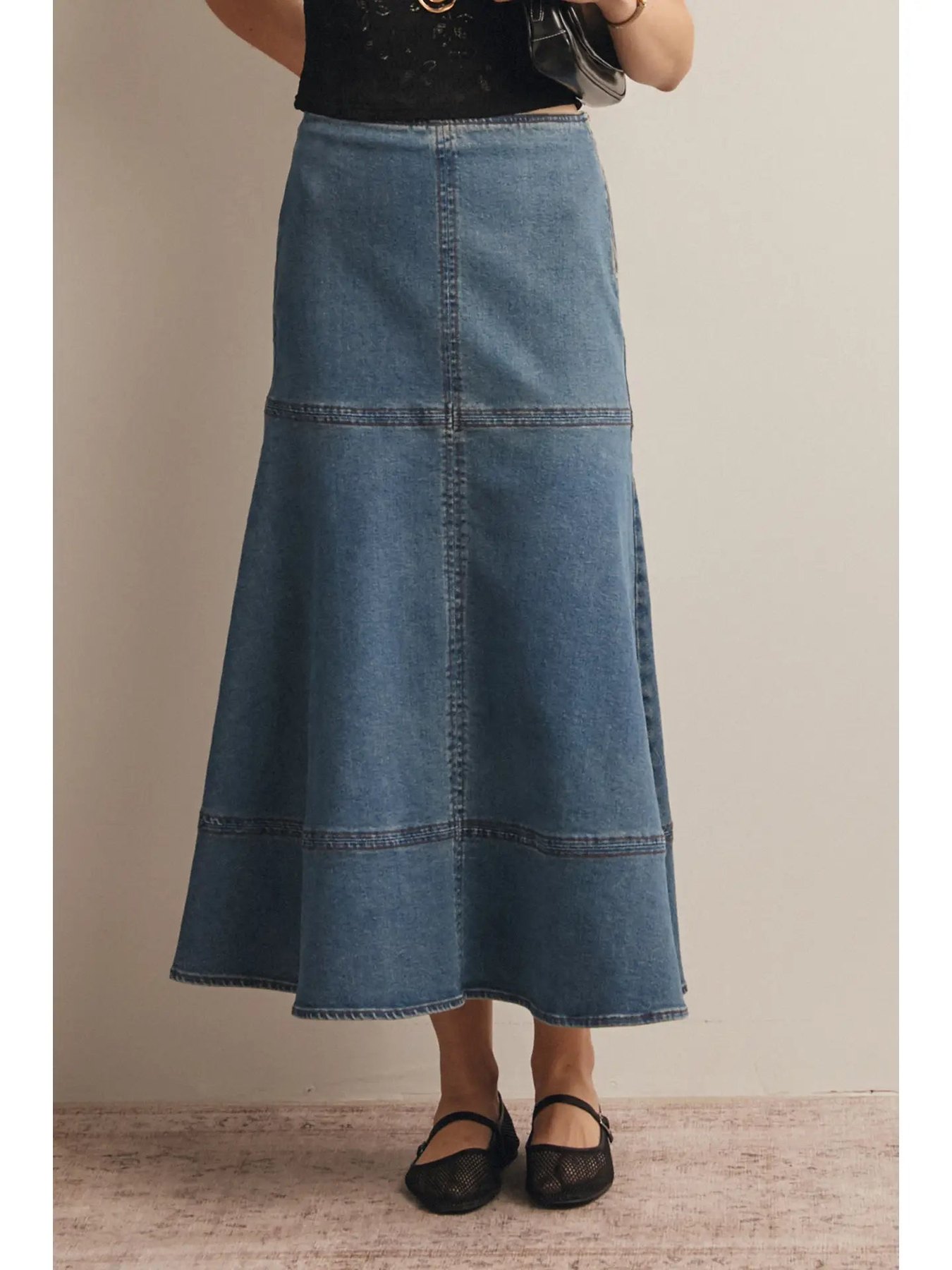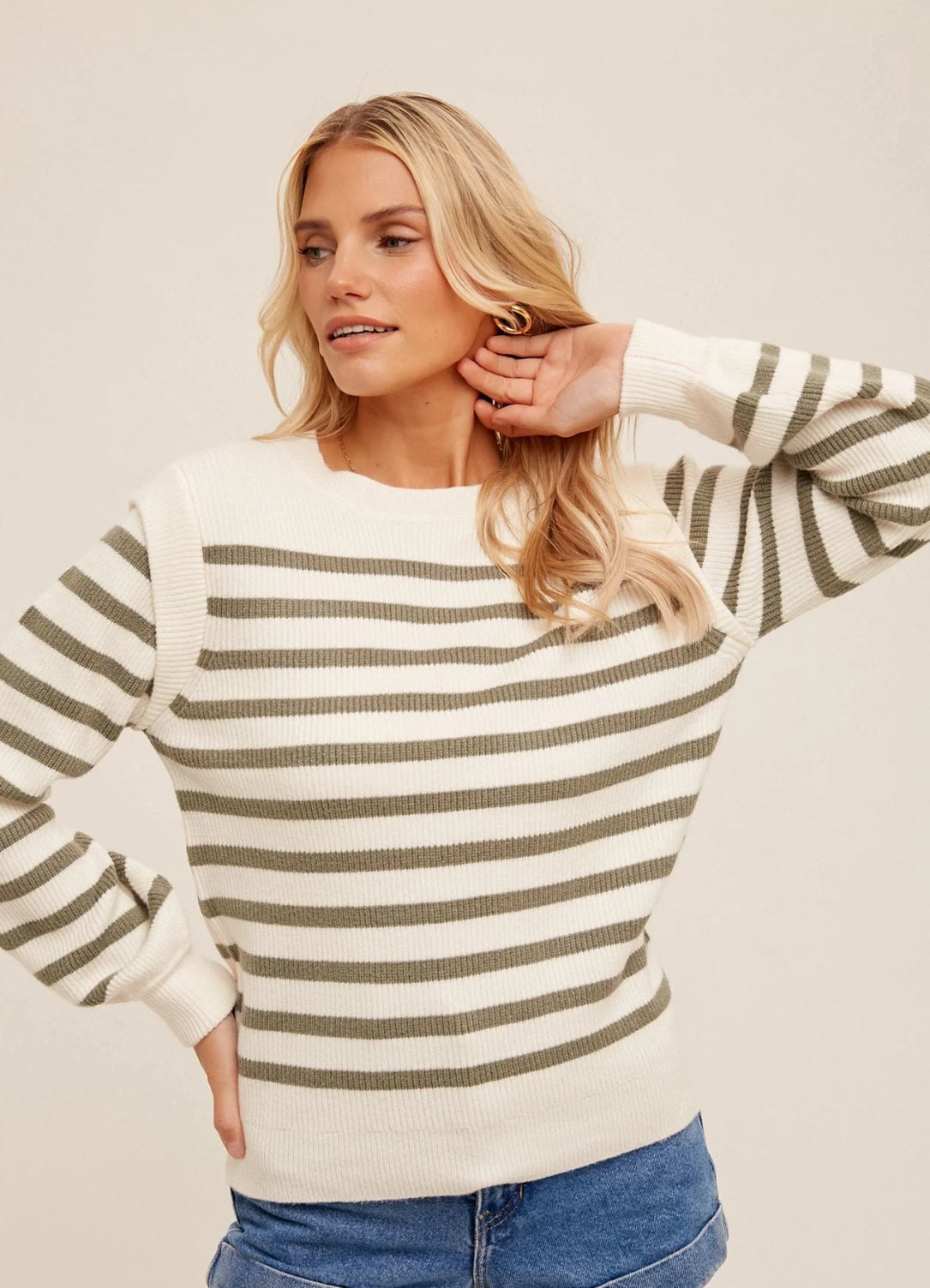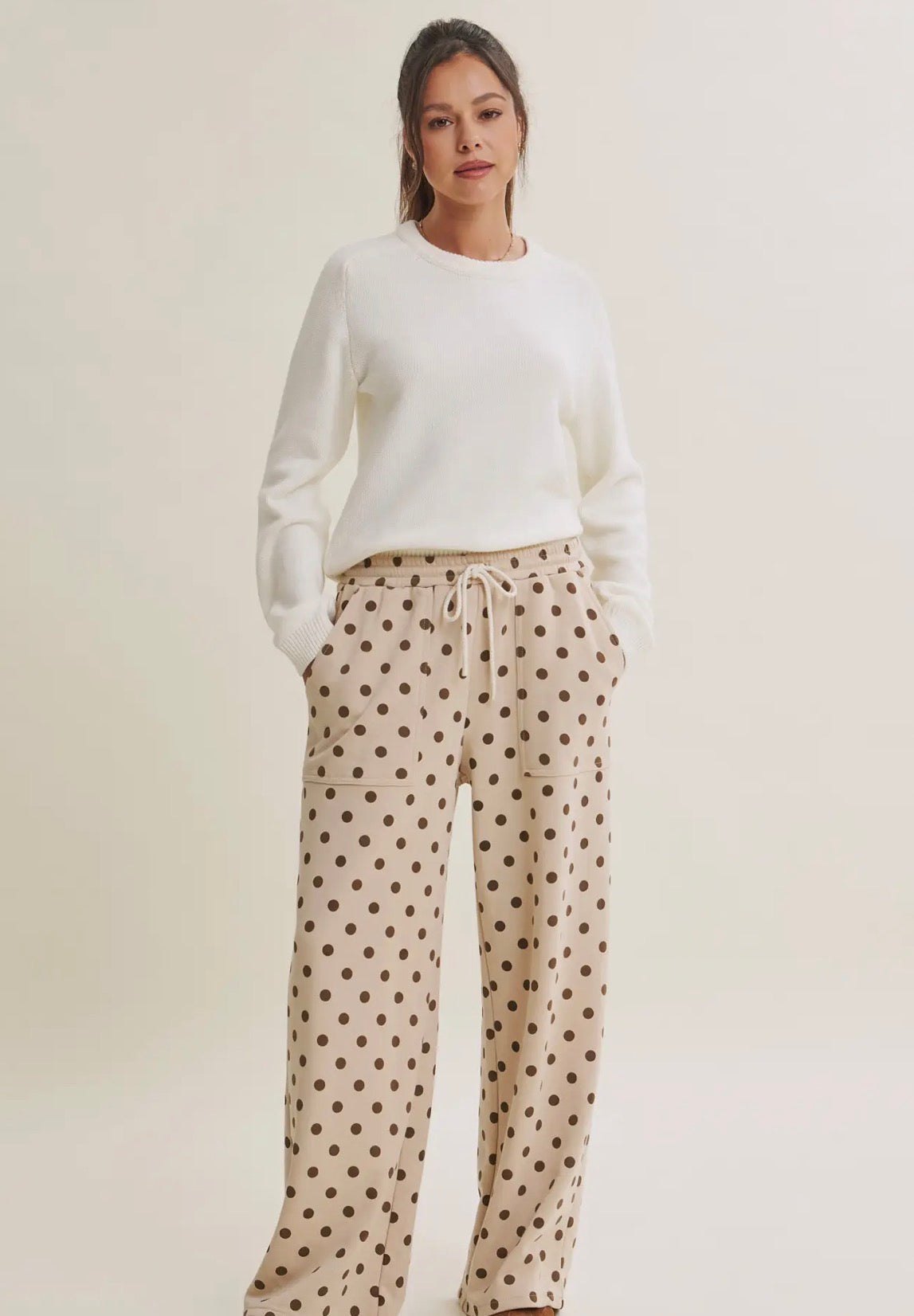
Shoes do more than finish an outfit; they can suggest its whole direction. A clean sneaker makes familiar pieces feel relaxed, while a sleek flat or sturdy boot can bring a sharper note. Choosing footwear first gives you a useful starting point, especially when your closet holds pieces that can shift between easygoing and polished.
Choose the mood before the pieces
Before pulling out a full outfit, notice what your shoes communicate. A simple canvas sneaker feels casual and unfussy; a refined loafer brings a little structure; a sandal with sculptural lines can make even a plain tee feel considered. You do not need to match every detail. Let the shoes provide a mood, then choose clothes that speak the same language.
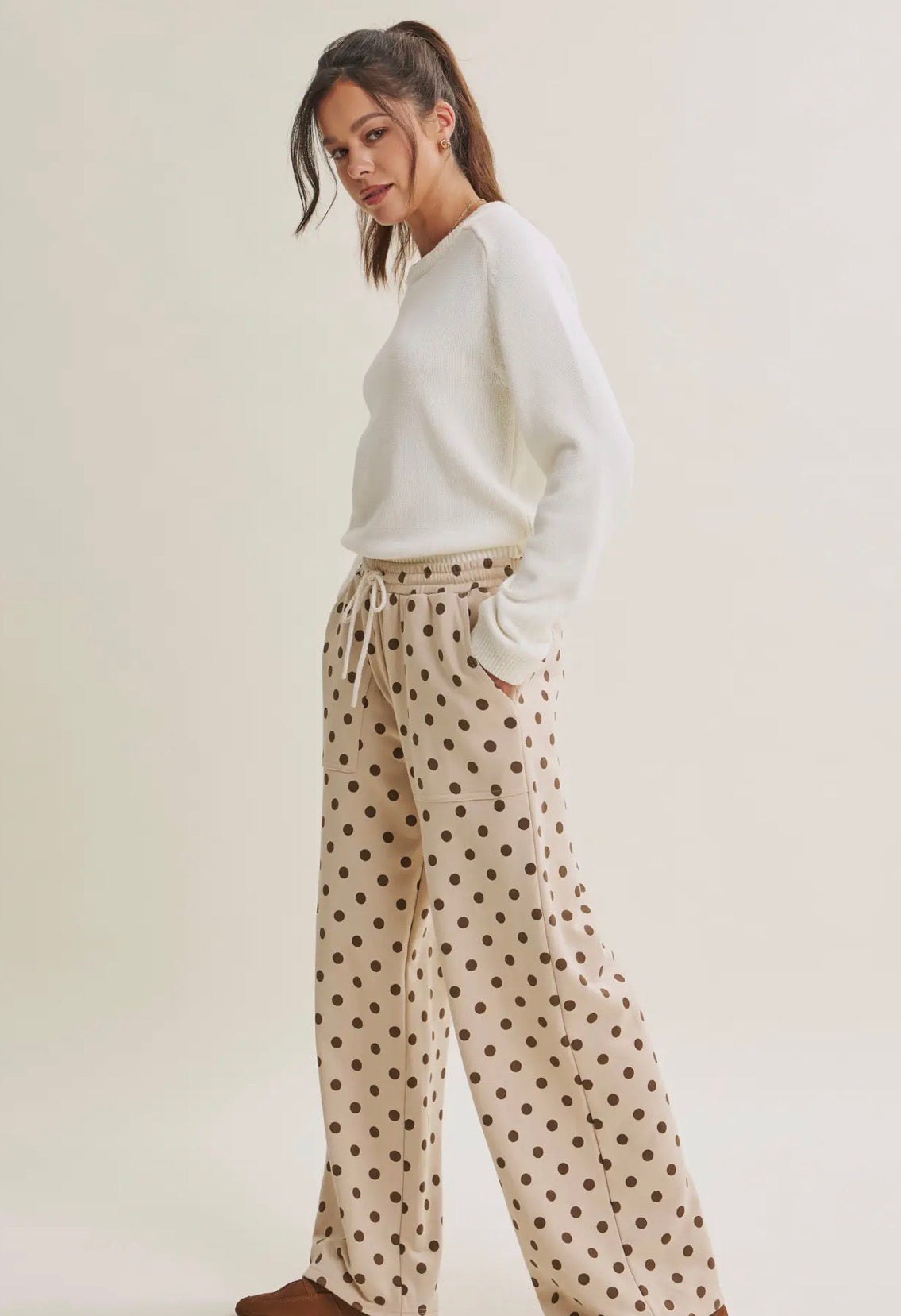
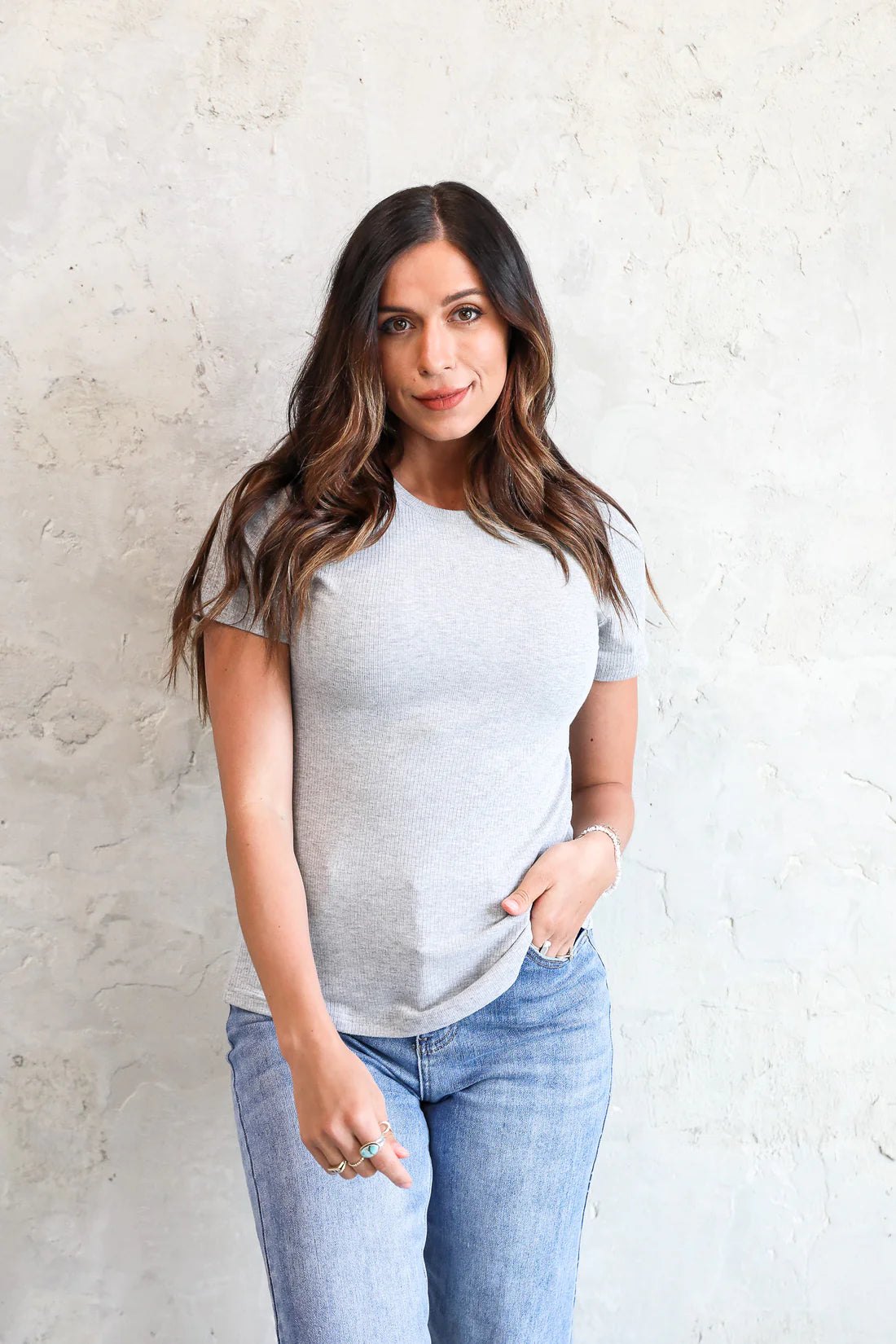
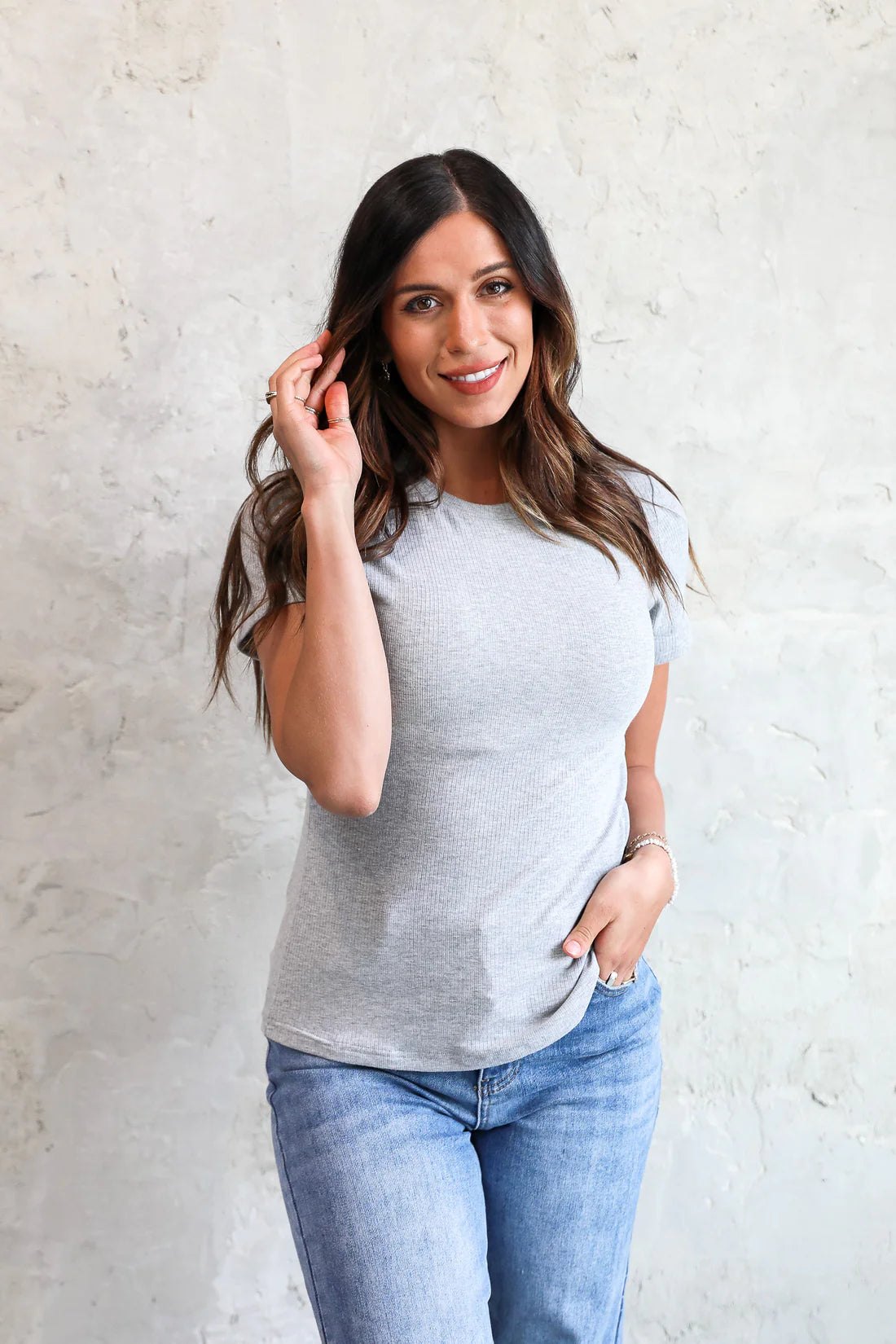
Try pairing a relaxed shoe with an easy silhouette, such as a soft tee and fluid pants, or use a more defined shoe to give a loose top and straight-leg bottoms some shape. The aim is not strict coordination. It is a sense that each piece belongs to the same moment, whether that moment calls for errands, lunch, or a more dressed-up afternoon.
Use color as a quiet connector
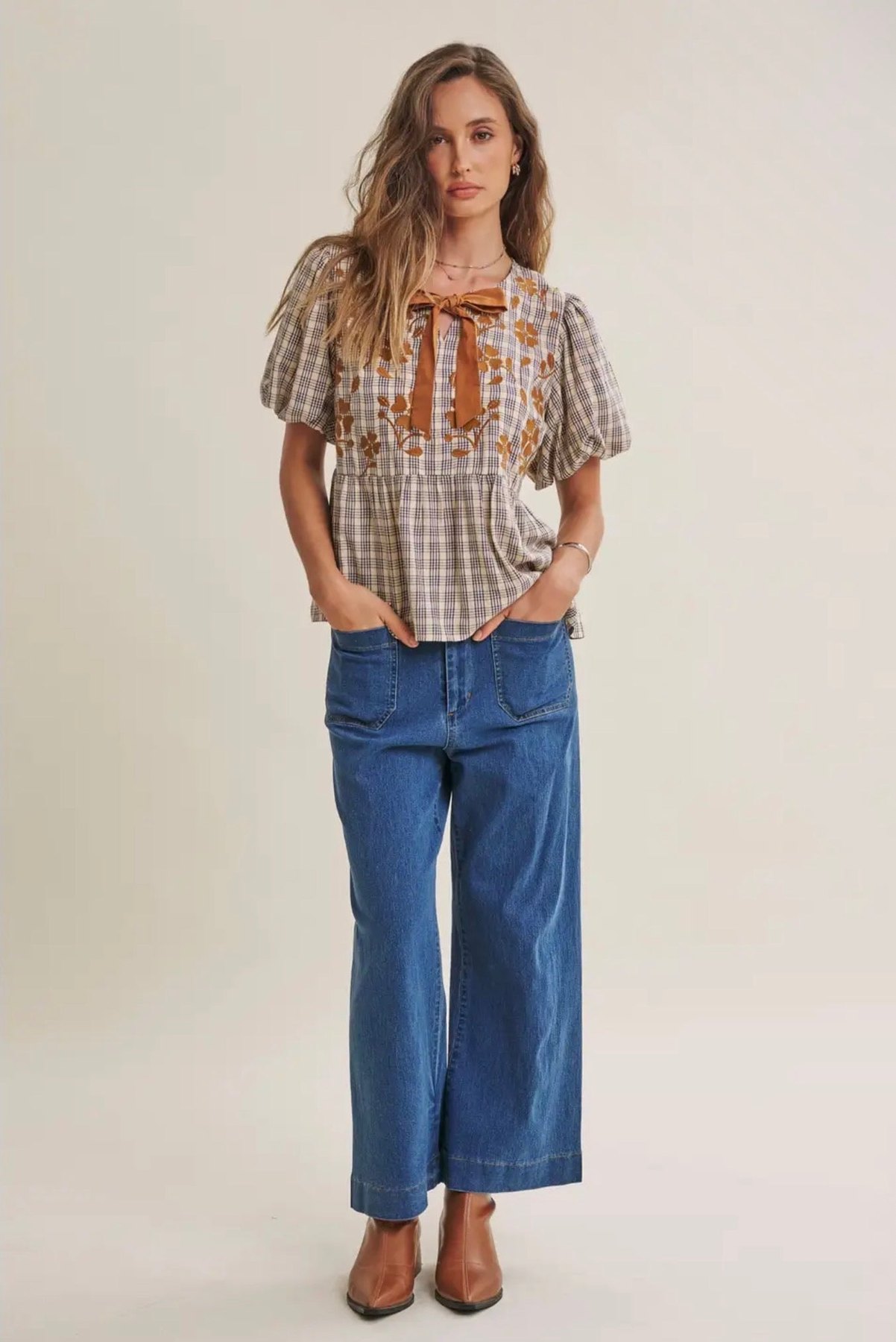
A shoe color can anchor an outfit without matching it exactly. Warm brown footwear, for instance, can sit comfortably beside muted reds, soft gray, or patterned neutrals. Cream or white shoes bring lightness to deeper colors, while black can clarify an outfit built around varied tones. Repeating a color once—in a belt, print, or small detail—creates an easy visual link.
If your shoes are the most colorful part of the look, keep the other pieces calm enough to give them room. A muted top and understated bottoms let a vivid shoe feel intentional rather than accidental. Conversely, when clothing carries a lively print, a quieter shoe can help the outfit feel balanced. Think of color as a conversation, not a matching exercise.
Balance shape, texture, and the day
Silhouette matters as much as color. A substantial sole can ground wide or flowing pants, while a low-profile shoe often works neatly with cropped hems and slimmer shapes. If proportions feel uncertain, take a quick mirror check from a little distance: notice where the outfit’s visual weight lands, and whether the shoe supports or competes with it.
Let the day’s practical details have a place in the decision. For time outdoors, consider sun exposure, shade, dust, and how much walking is likely; a comfortable, secure pair may serve you better than a delicate option. In Tucson, changing comfort between sunny stretches and cool indoor spaces can make a light layer useful, while shoes that are easy to move in keep the outfit ready for a shift in plans.
When shoes lead, getting dressed becomes less about assembling a perfect set and more about following a clear idea. Start with the pair that suits your plans, then build around its mood, color, and shape. The result can feel personal and pulled together without looking overly matched.