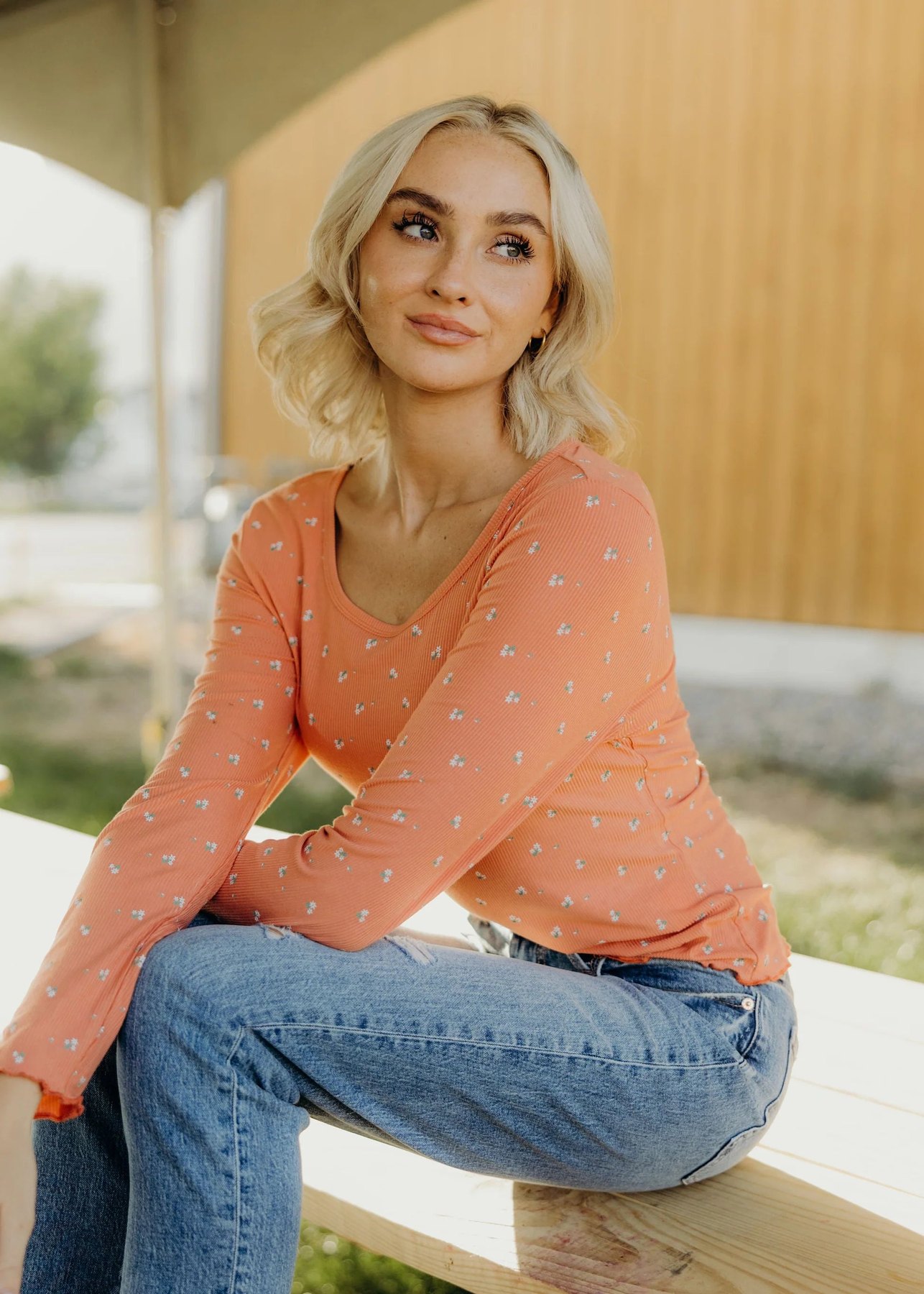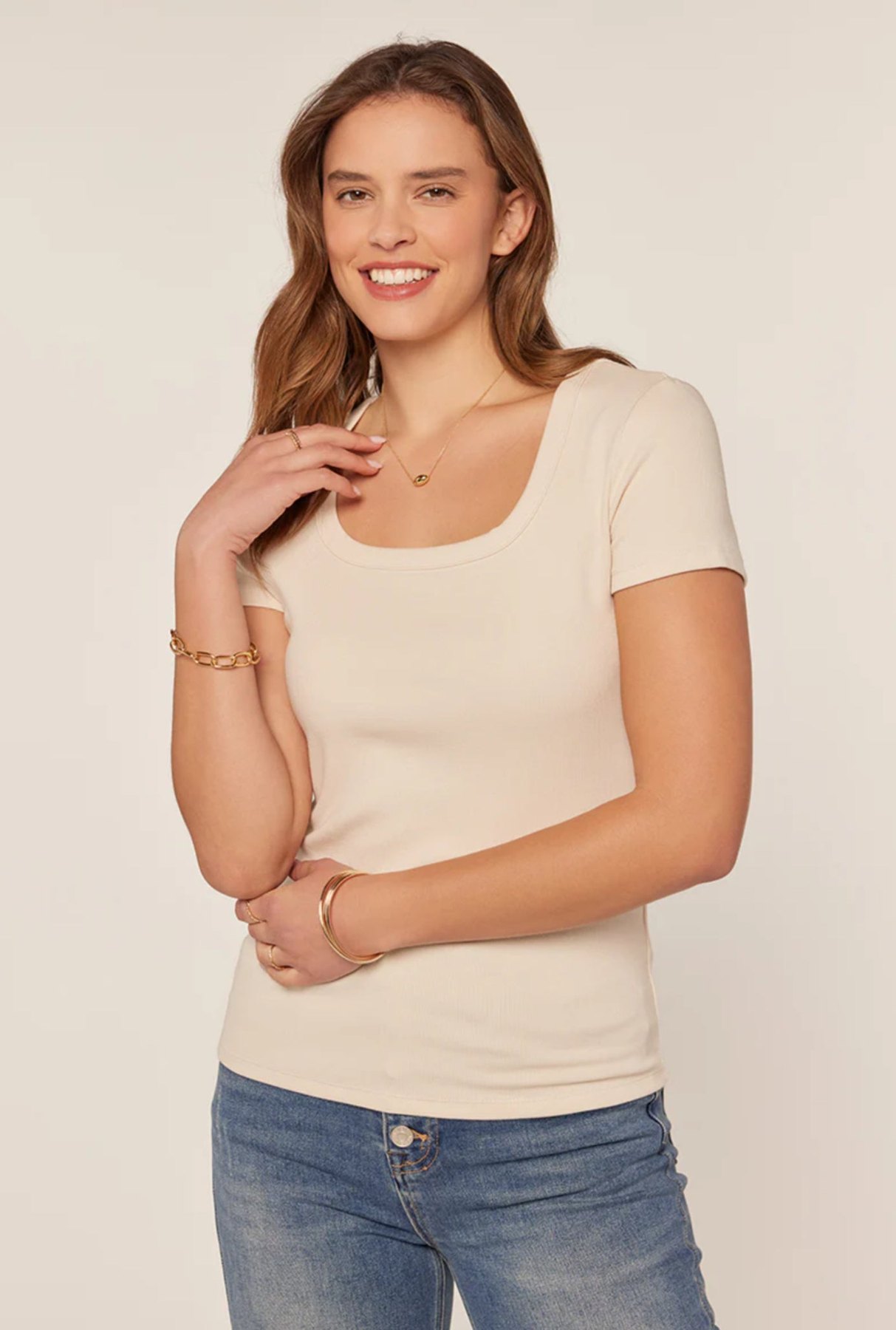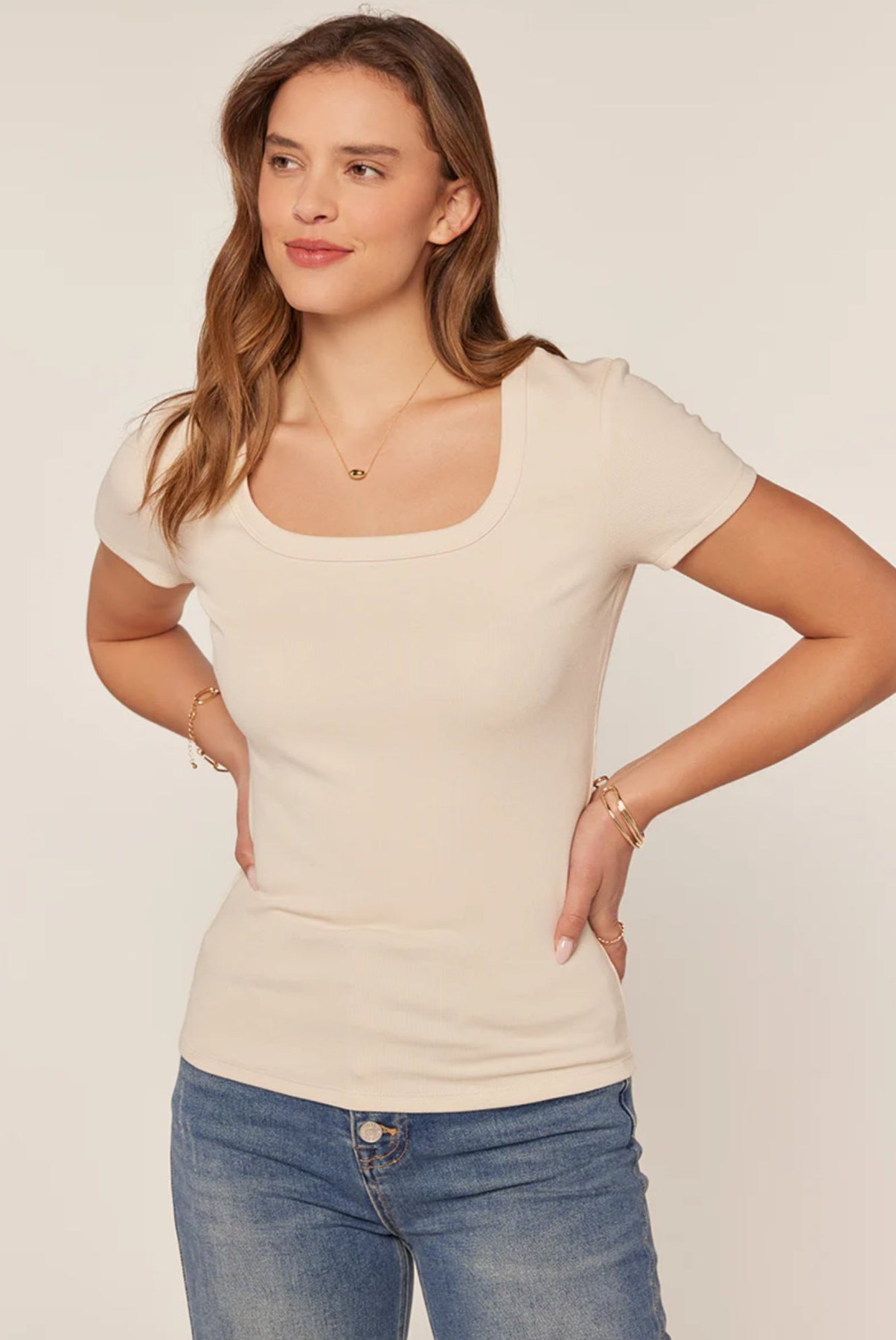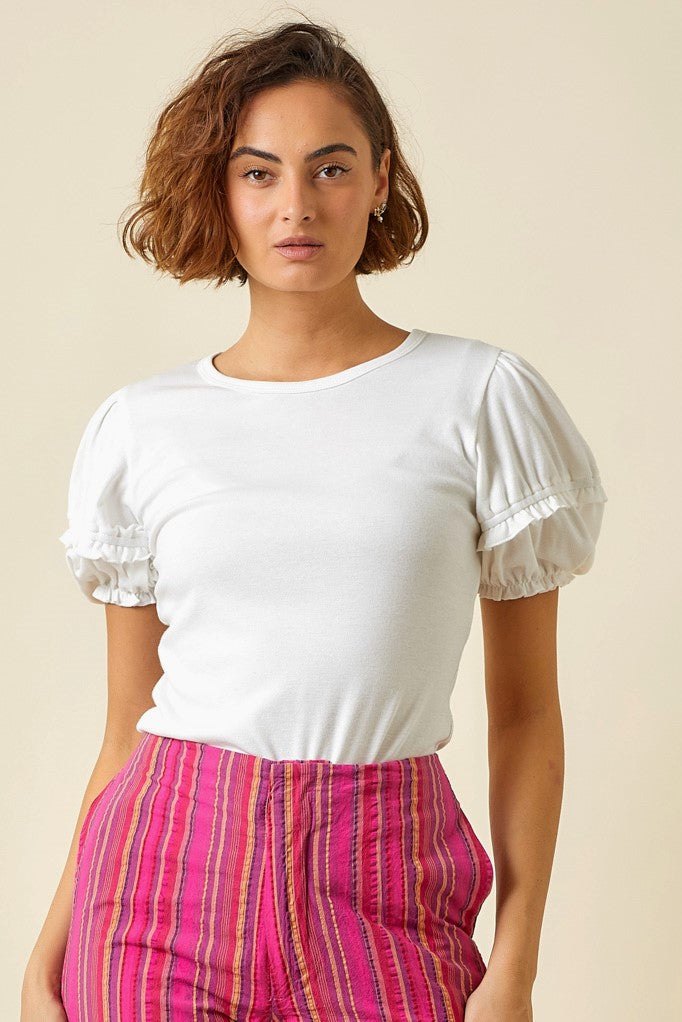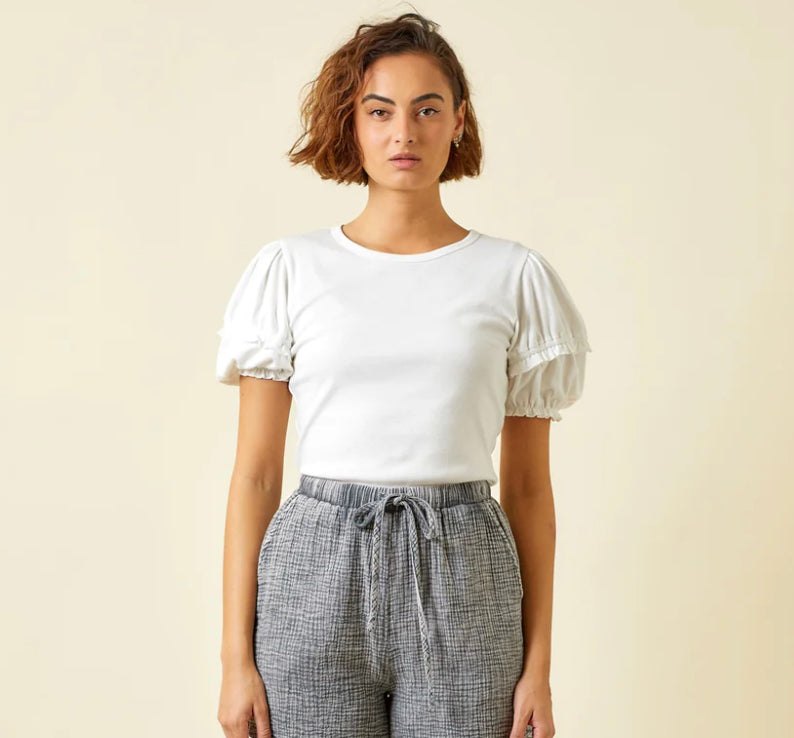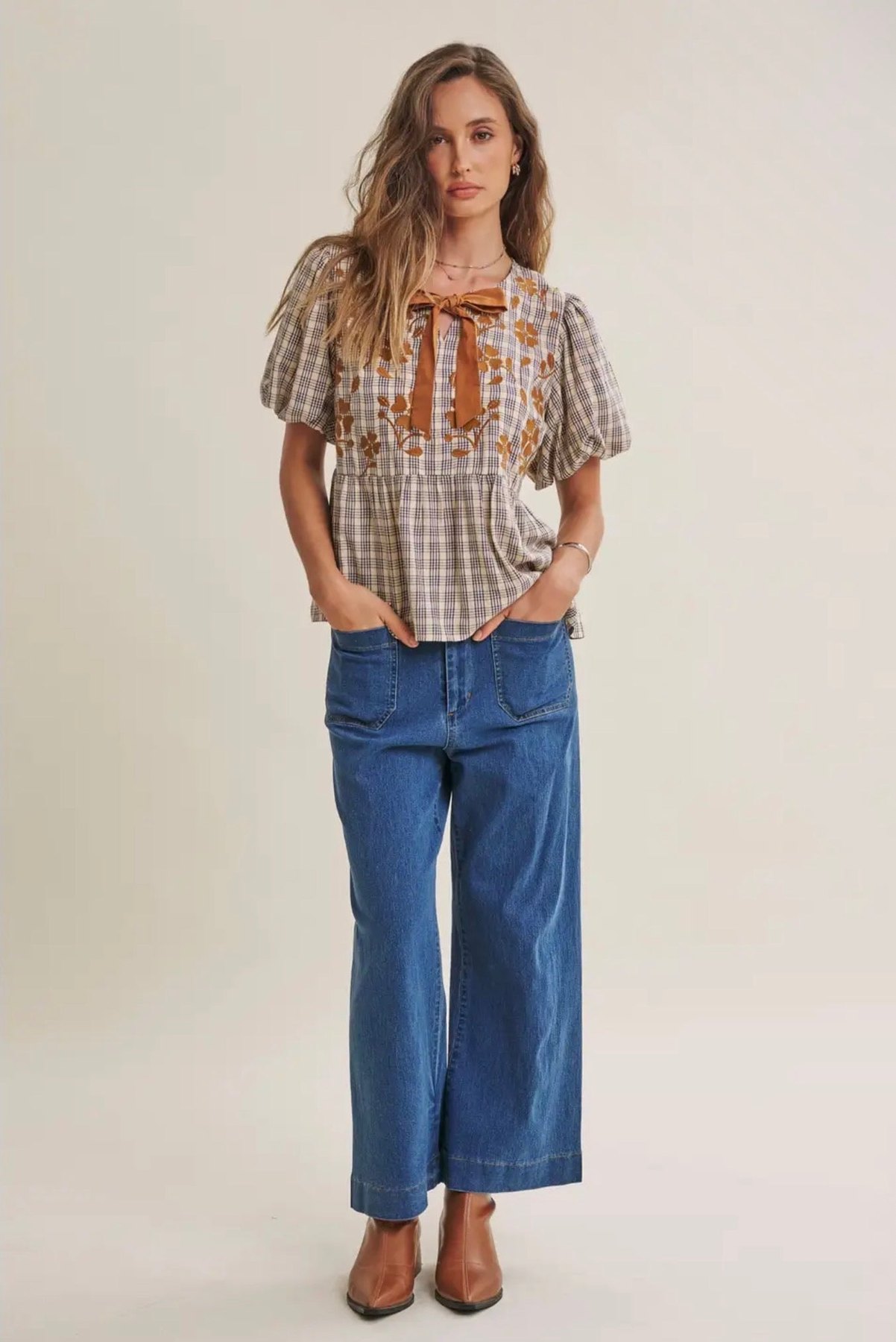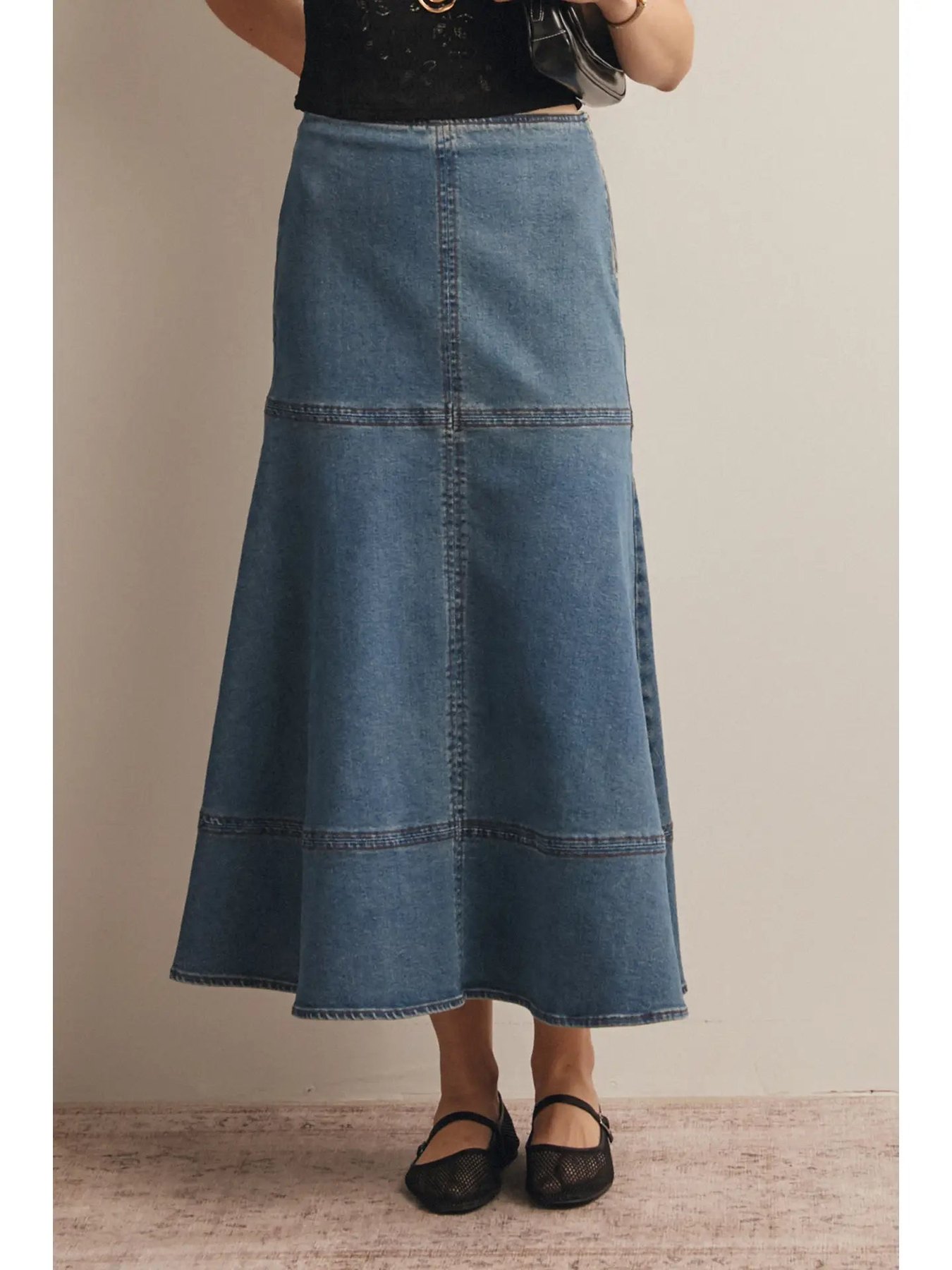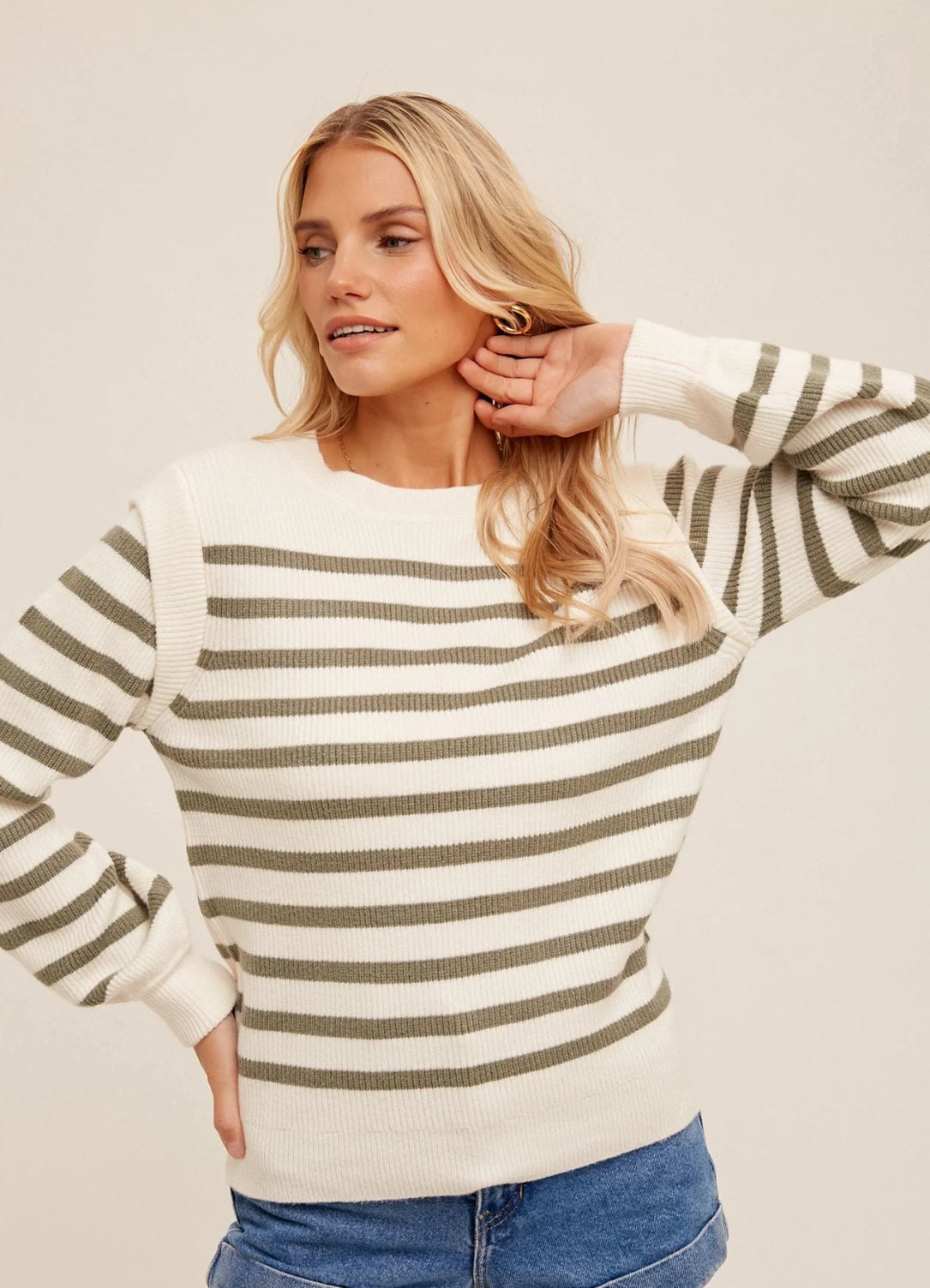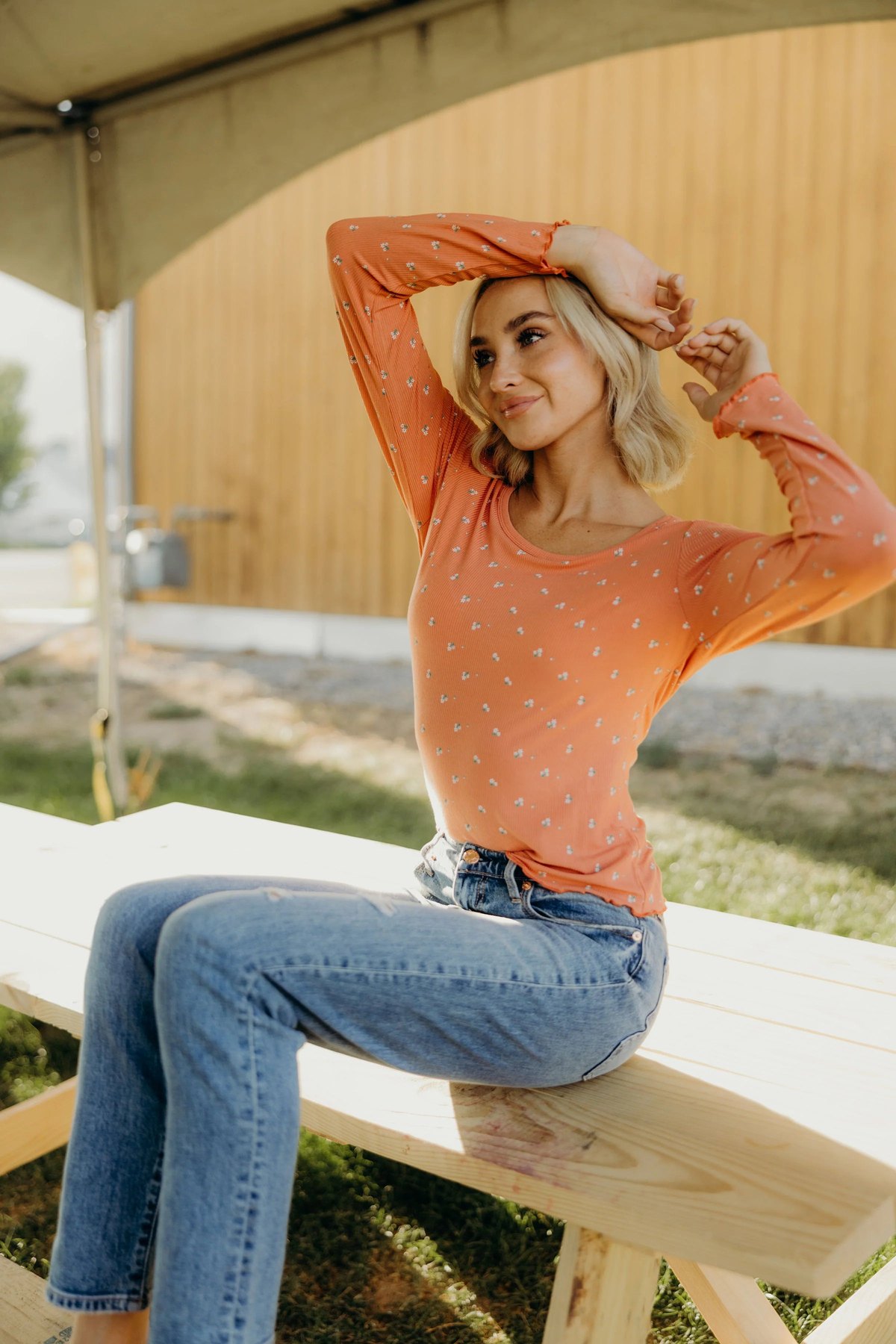
A signature detail does not need to announce itself. It might be the warm color you reach for on busy mornings, a neckline that feels comfortable all day, or a soft contrast between polished and relaxed pieces. The aim is not to make every outfit identical, but to find a few choices that feel like you and are easy to return to.
Notice what already feels like yours
Look through outfits you have worn more than once, or recall the pieces you choose when you want to feel at ease. Rather than starting with a trend, look for a pattern: perhaps you favor rounded necklines, sleeves with a little movement, or colors that sit comfortably beside your everyday neutrals. A repeat preference is useful information, not a rule you have to follow.
Try naming the detail in plain language. “A bright note near my face” or “a relaxed top with a defined shape” gives you more room than a strict formula. You might also notice how a detail feels over the course of a day: whether it stays comfortable while sitting, walking, or moving between sun and shade. Ease is part of a signature.
Build a small, flexible palette
Choose two or three colors that work well together in your existing wardrobe, then let one supporting shade add variety. A muted base with a vivid accent can feel lively without requiring a whole new outfit; tonal shades can create interest through texture and shape instead. Test combinations against pieces you already wear, including the layers you reach for when the afternoon feels different from the morning.
Keep the palette as a guide, not a gatekeeper. If an unexpected color catches your eye, see whether it connects to one of your familiar shades. Repeating a color in a top, a layer, or another small part of an outfit can make the combination feel considered. You can keep the overall rhythm recognizable while letting each look have its own mood.
Repeat the idea, not the exact outfit
Once you have a detail to work with, vary its setting. A favorite sleeve shape might pair with denim one day and a flowing skirt another; a dependable color might appear in a simple top rather than a full coordinated look. Changing the other pieces keeps repetition from feeling like a uniform and helps you learn which combinations suit your routines.
Make a short list of three reliable pairings in your notes or simply keep them in mind while getting dressed. Include a version for a long day, one for a more polished plan, and one that feels especially relaxed. In Tucson, a light layer can make a familiar outfit more adaptable when you move between sun, shade, and indoor spaces. Check the garment’s care label when planning how to maintain it.
A personal signature grows through small choices you enjoy repeating, not through a fixed set of rules. Let comfort, color, and the details you naturally reach for guide the process. When an outfit feels familiar but still leaves room for variation, you have found a style rhythm worth keeping.