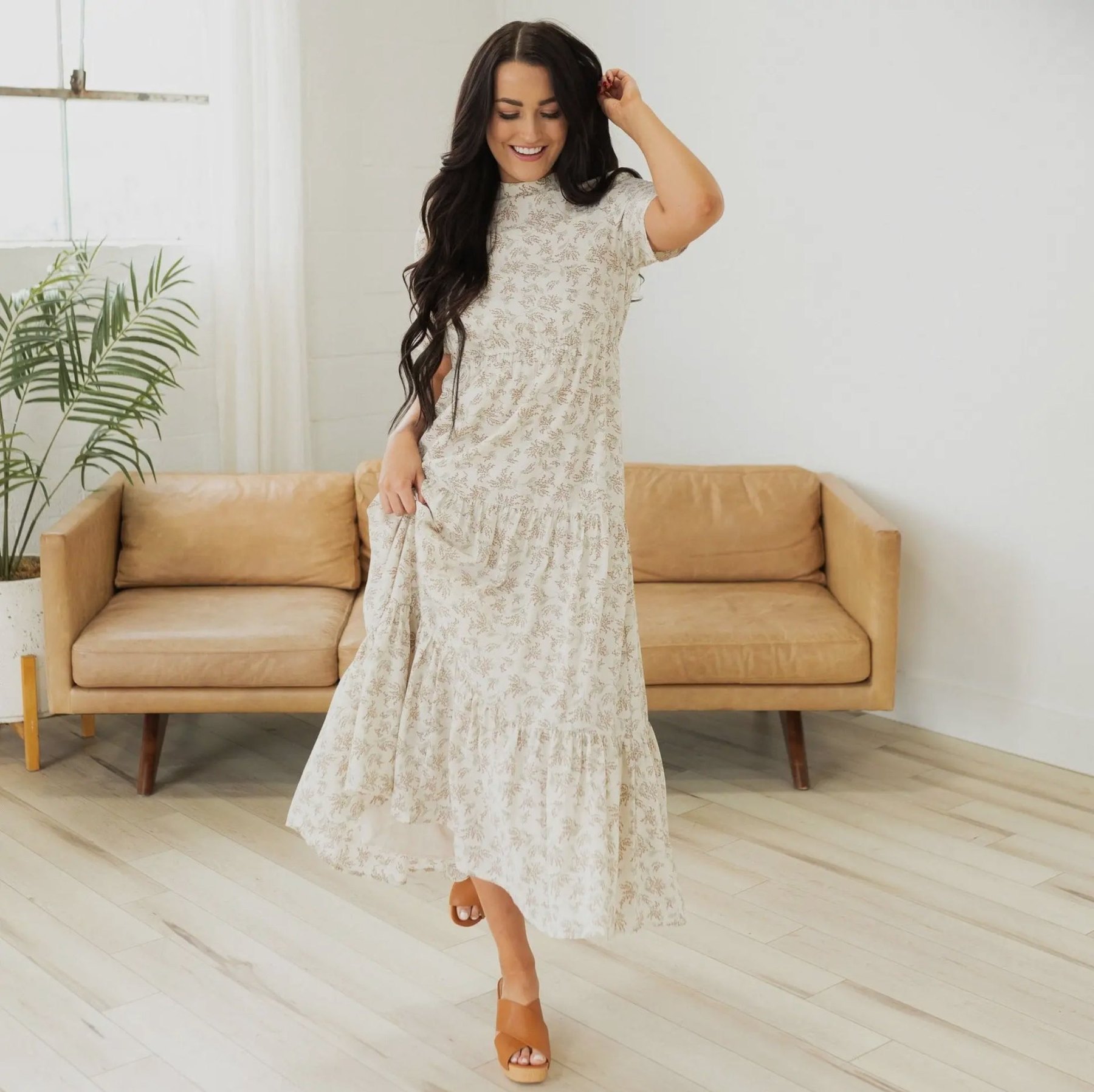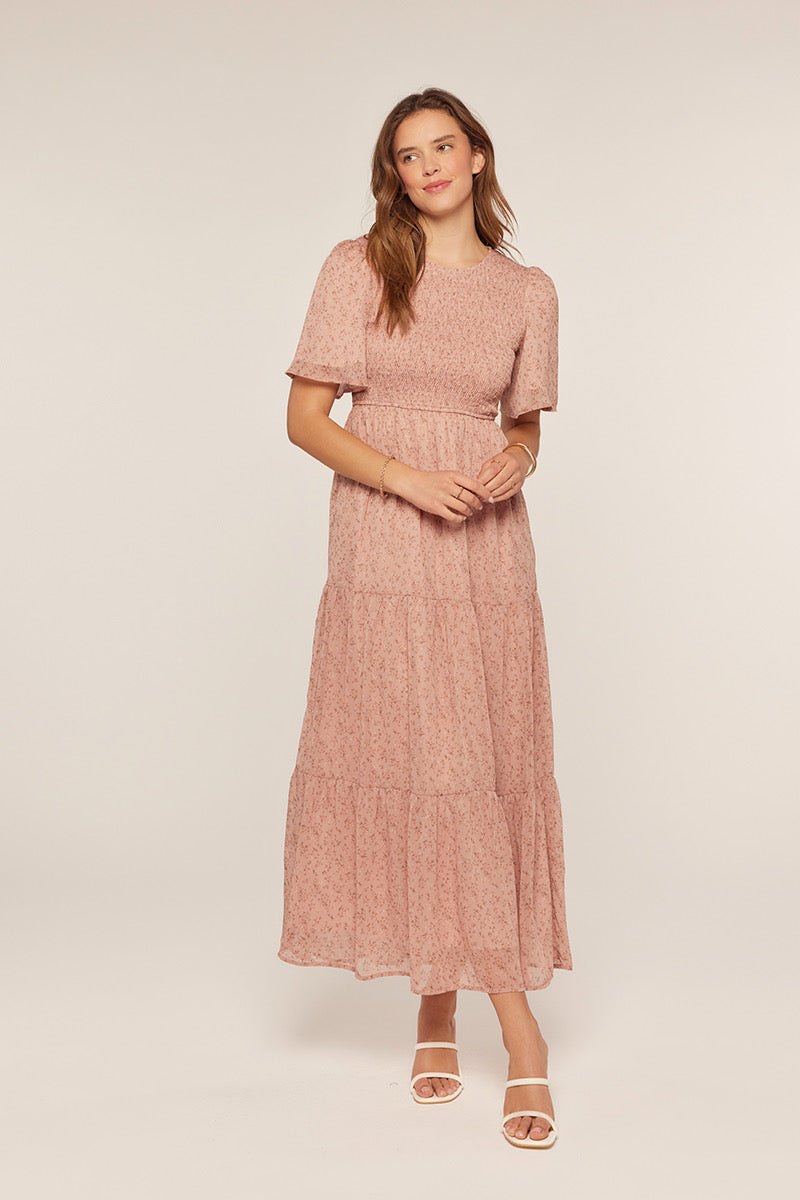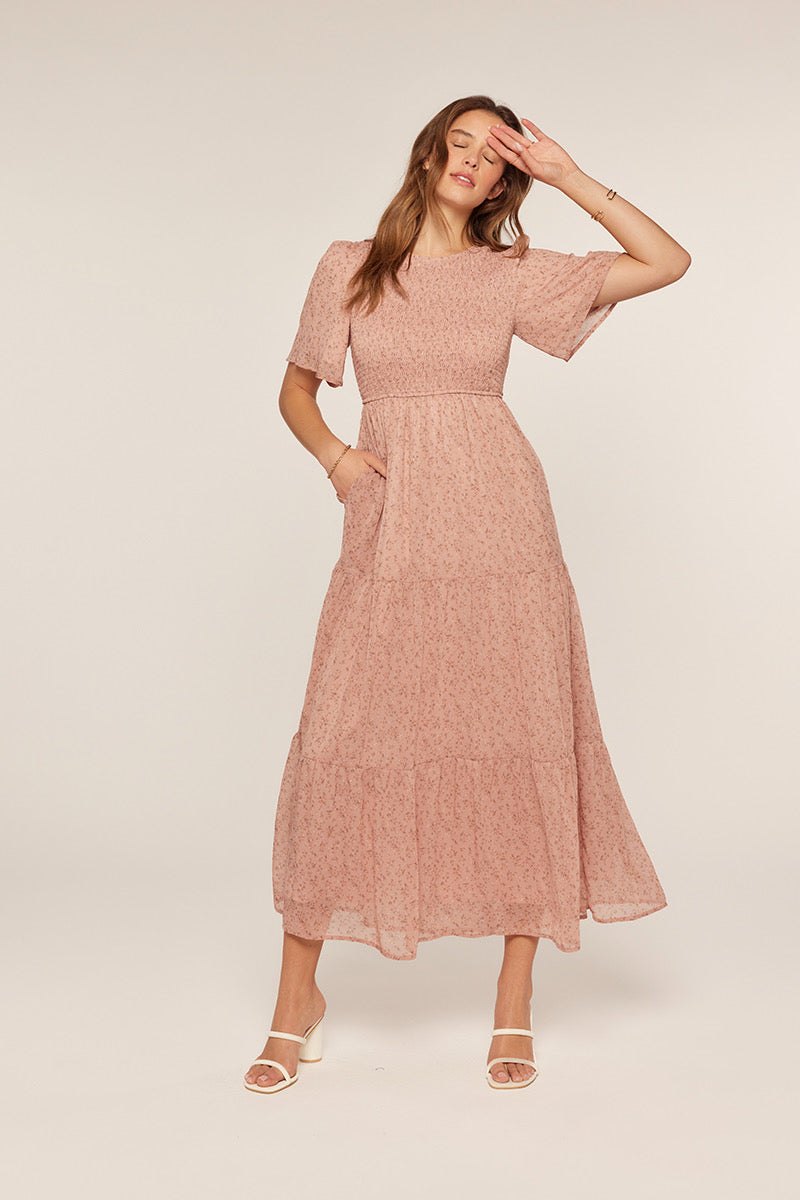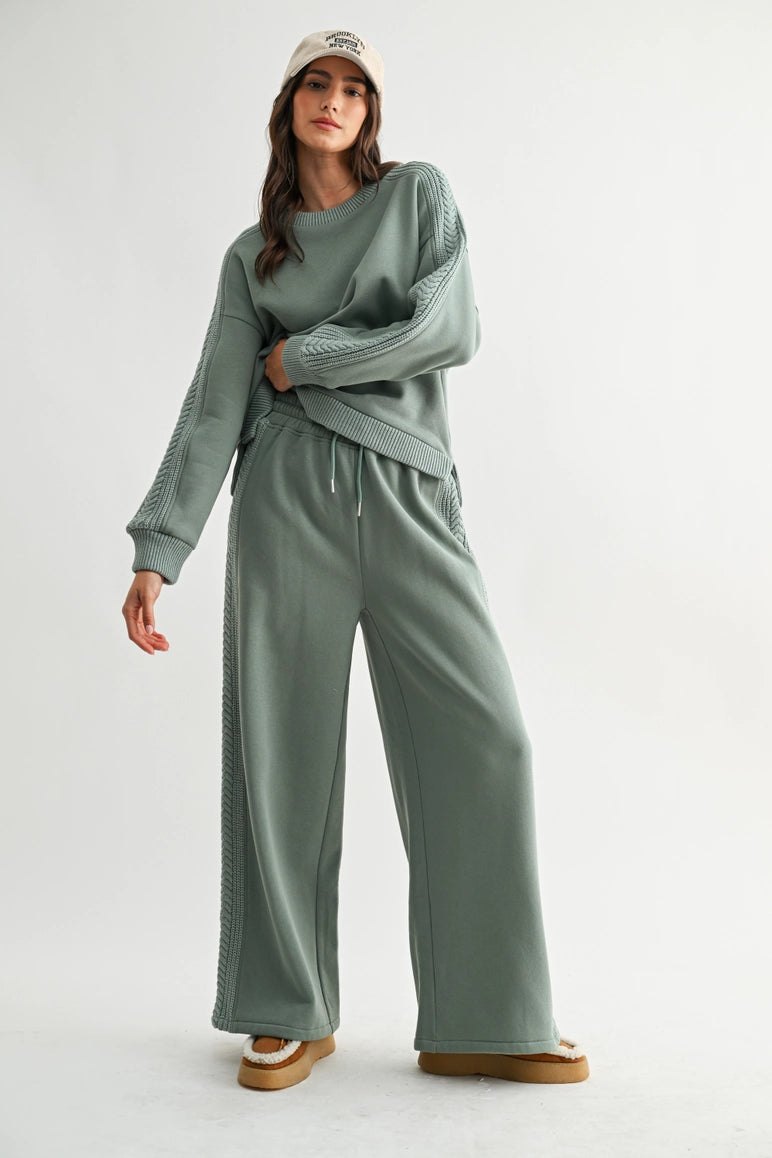
The most useful wardrobe is not necessarily the largest one. It is the collection that makes getting dressed feel uncomplicated on an ordinary morning, then gives you enough room to adapt when plans or temperatures shift. Start with the pieces you already enjoy wearing, notice what makes them work, and build around those patterns rather than an imagined version of daily life.
Notice what already works
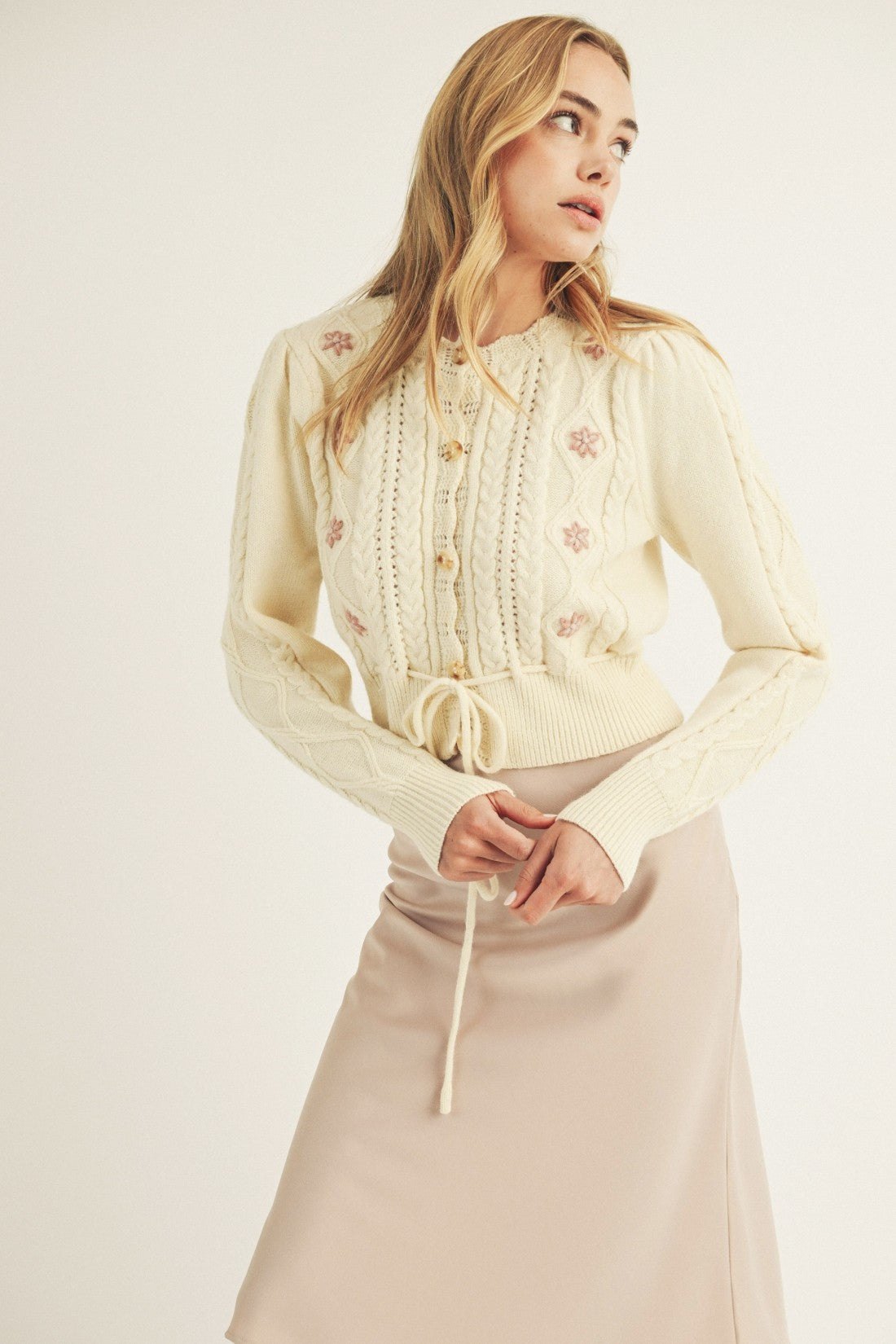
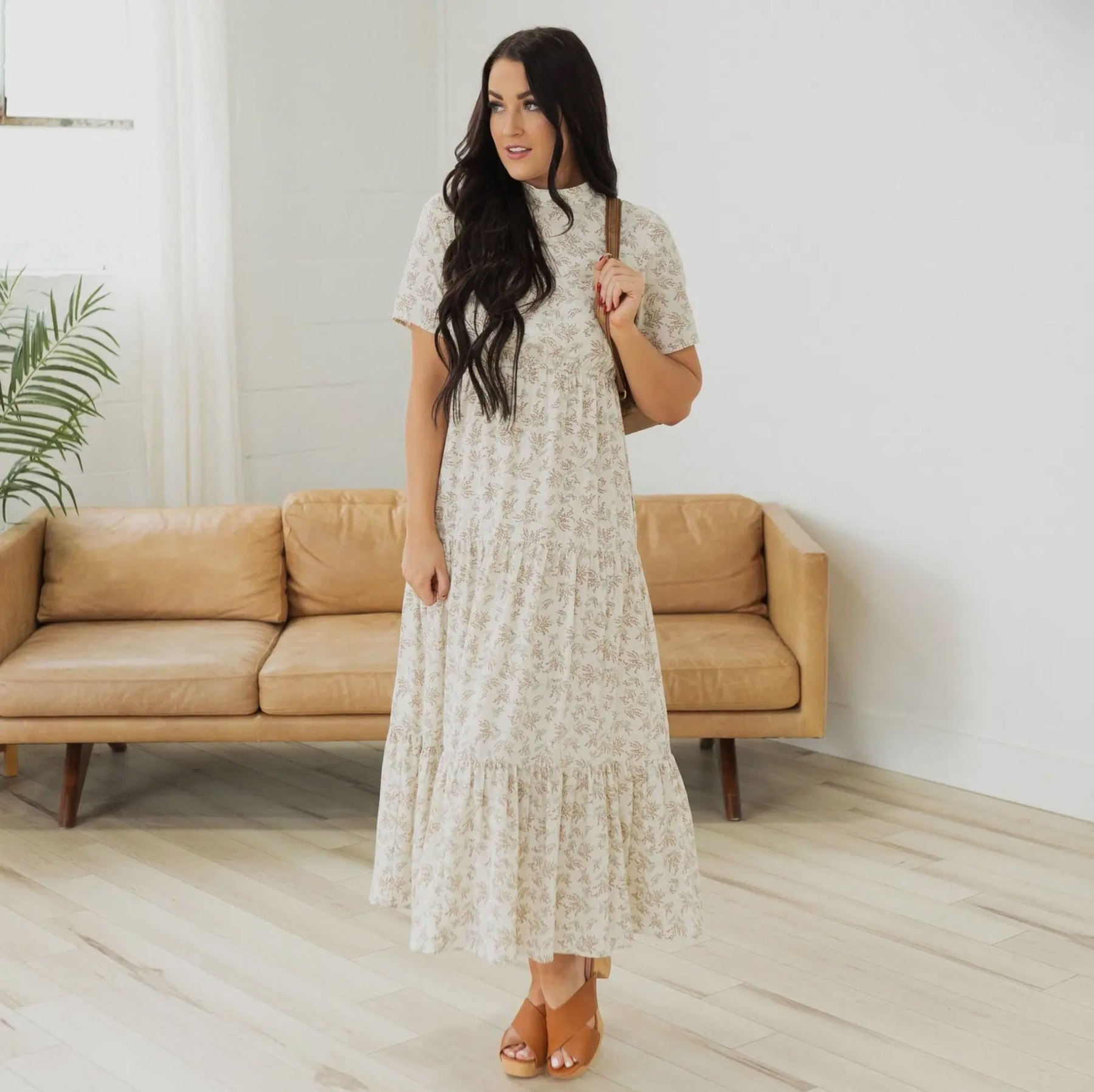
For a week, pay attention to the outfits that leave you comfortable and ready to move through the day. Perhaps you like a flowing dress with a light layer, or a familiar skirt-and-top combination that suits errands and a relaxed lunch. Make a brief note of the shapes, lengths, and details you reach for; those observations are more useful than a list of rules.
Look for shared qualities among your favorites. A consistent color range can make separate pieces easier to combine, while a preferred sleeve or neckline may help you feel at ease across different settings. You do not need every item to match. A few recurring tones or silhouettes can create a quiet sense of connection without making each outfit feel identical.
Build combinations, not single outfits
When considering an addition, picture at least three ways it could fit into your existing rotation. A versatile piece might work with a cardigan for a cool indoor space, stand on its own for a sunny afternoon, and pair with a different layer for an evening plan. If you can only imagine one very specific occasion, consider whether it will get enough use to earn its place.
Try combinations in front of your closet before a busy day arrives. A long layer over a simple base can change the feel of an outfit, while a complementary scarf or belt can add definition without requiring a whole new look. Keep notes or take quick photos of pairings you like. That small record can make repeat dressing feel deliberate rather than repetitive.
Plan for changing comfort
In Tucson, the same day can include bright sun, welcome shade, and cool indoor air. A light layer that is easy to carry can help an outfit move comfortably between those settings. Consider where you will spend time, whether you will be walking outdoors, and how much coverage feels right for the occasion before choosing what to wear.
Dust and active days can also shape what feels practical. Choose fabrics and finishes that suit your routines, and check each garment’s care label before laundering or treating a spot. Giving clothes a moment to air between wears, when appropriate for the garment, can help you decide whether they are ready to wear again or need attention.
Repeat wear becomes easier when your wardrobe reflects the days you actually have: familiar combinations, a few flexible layers, and pieces that feel good to return to. Let your own habits guide what comes next. Over time, a smaller set of well-used favorites can offer more useful choices than a closet full of outfits waiting for a special occasion.