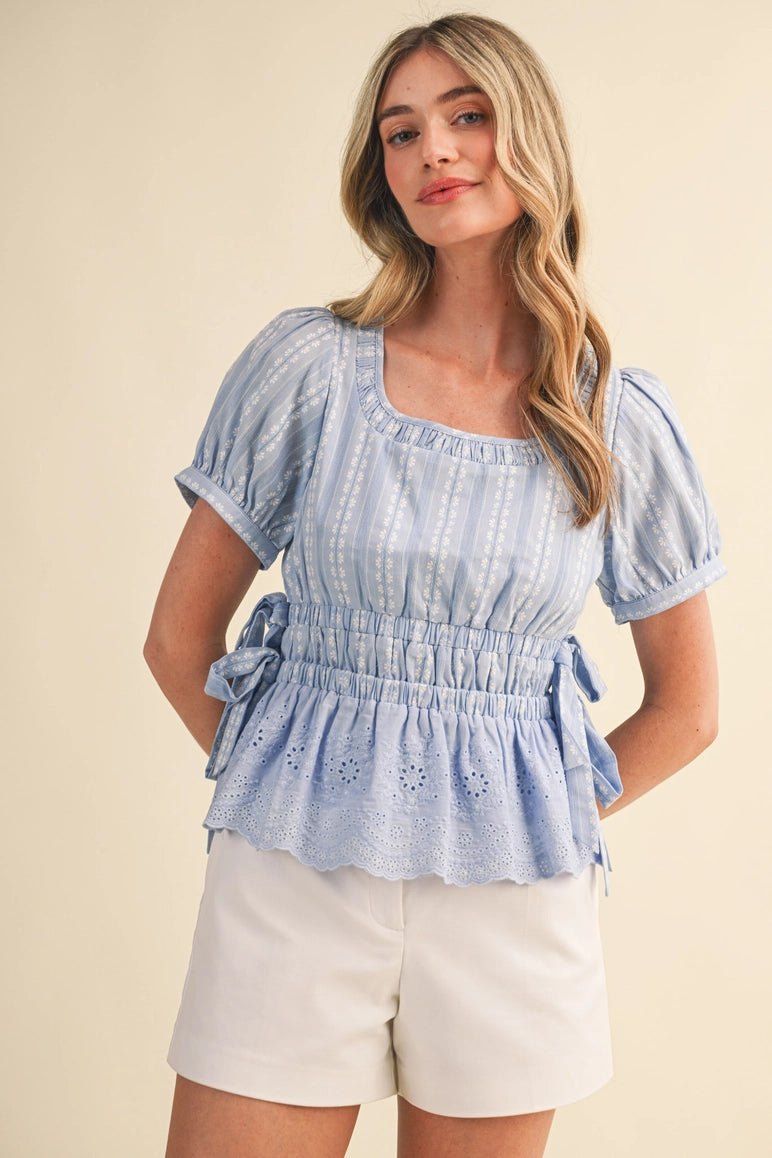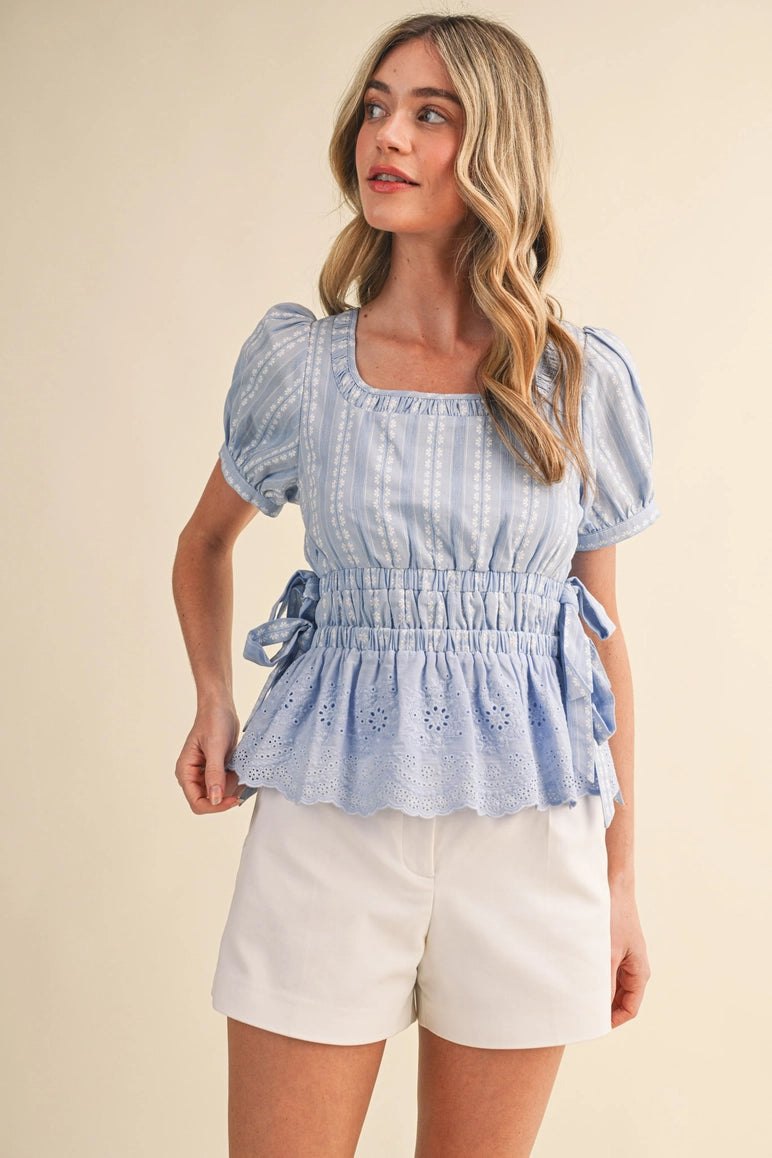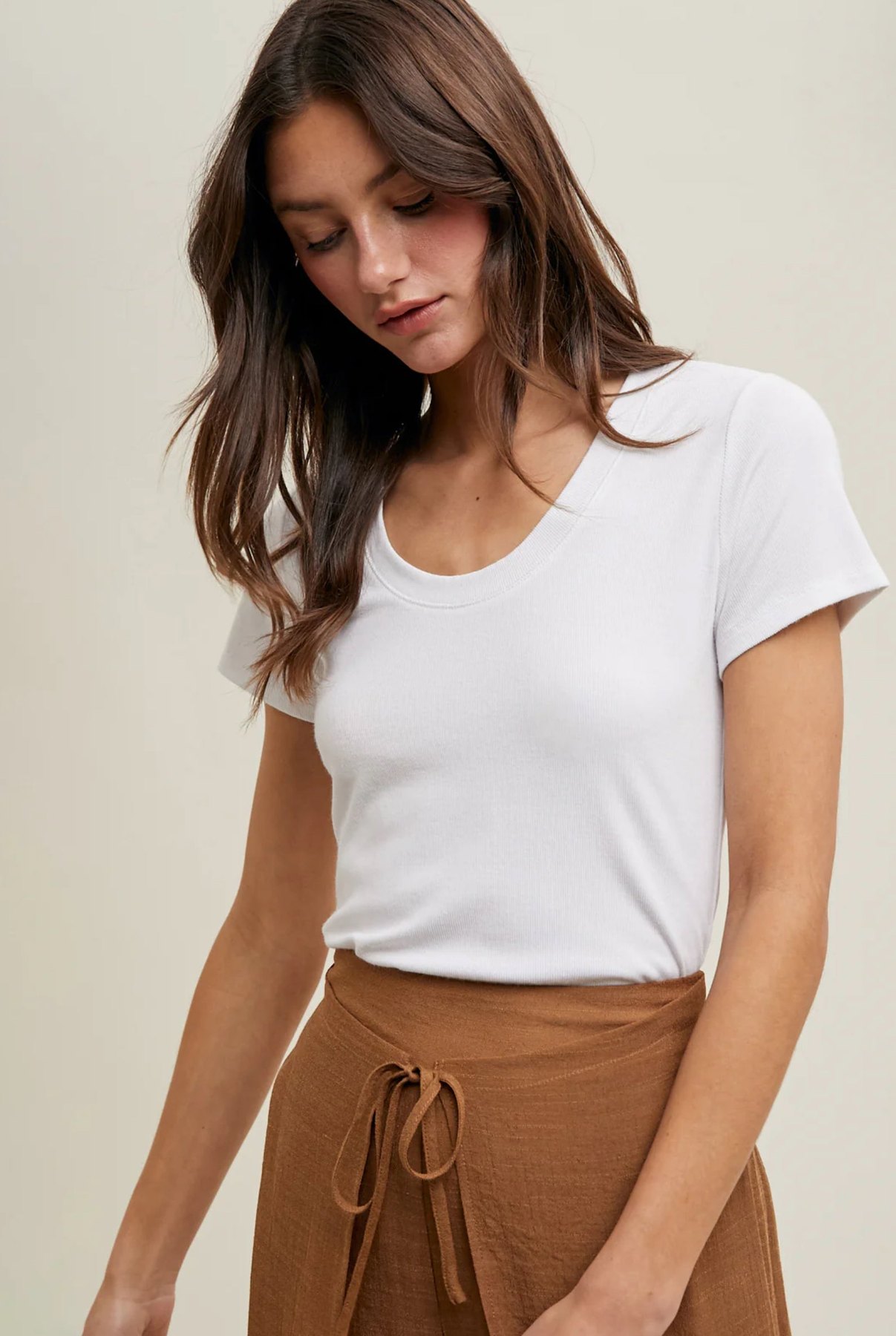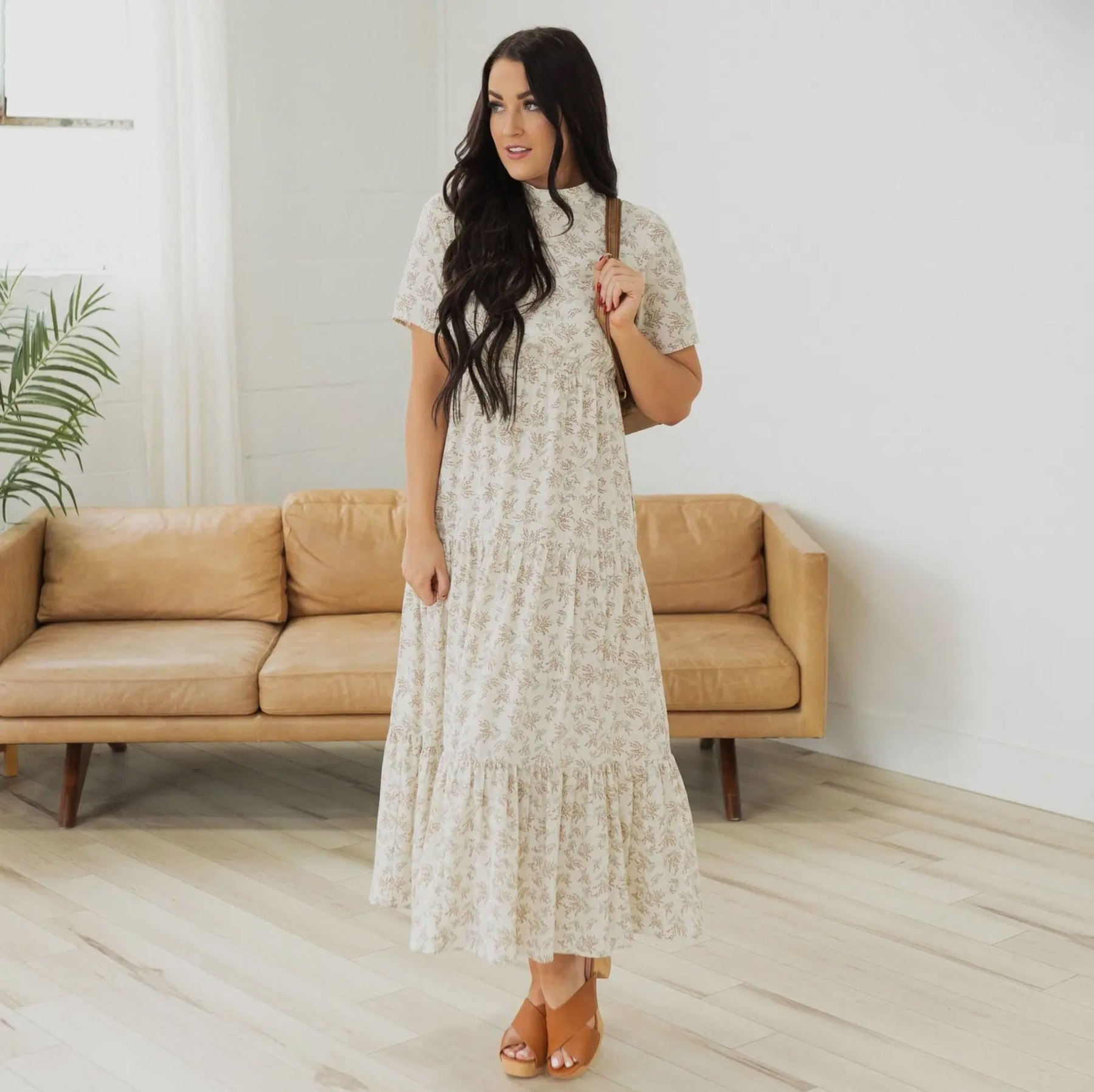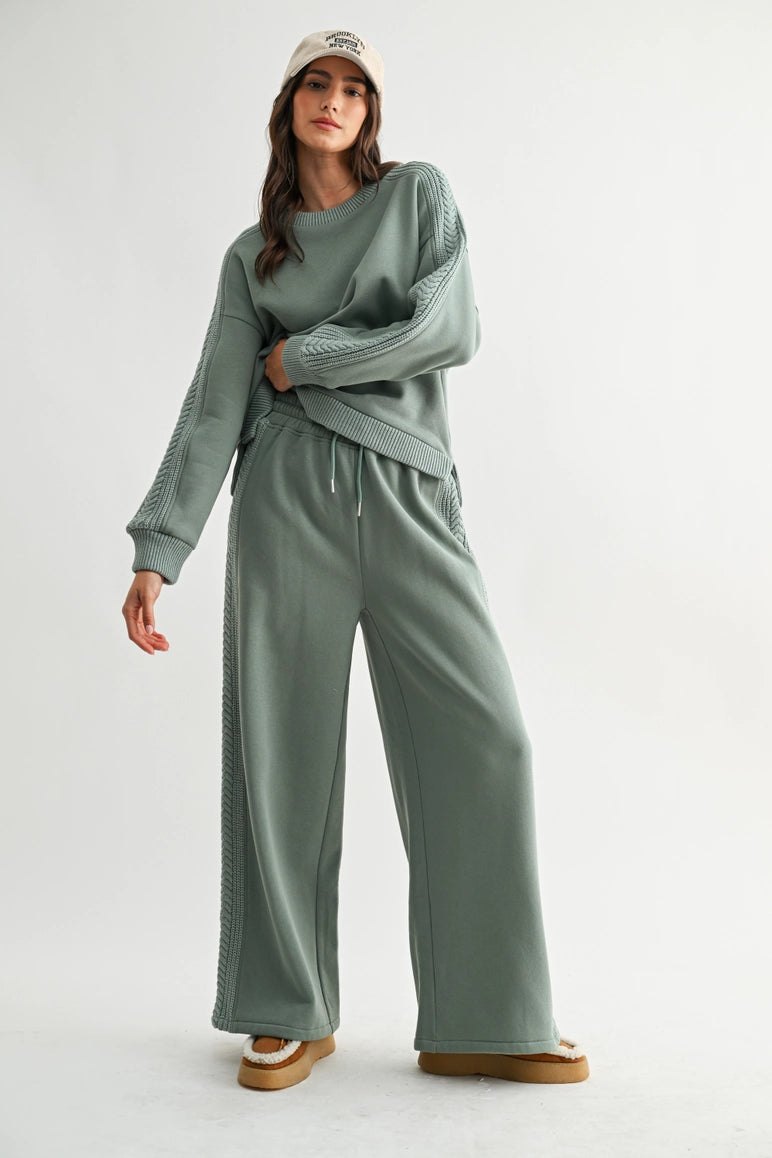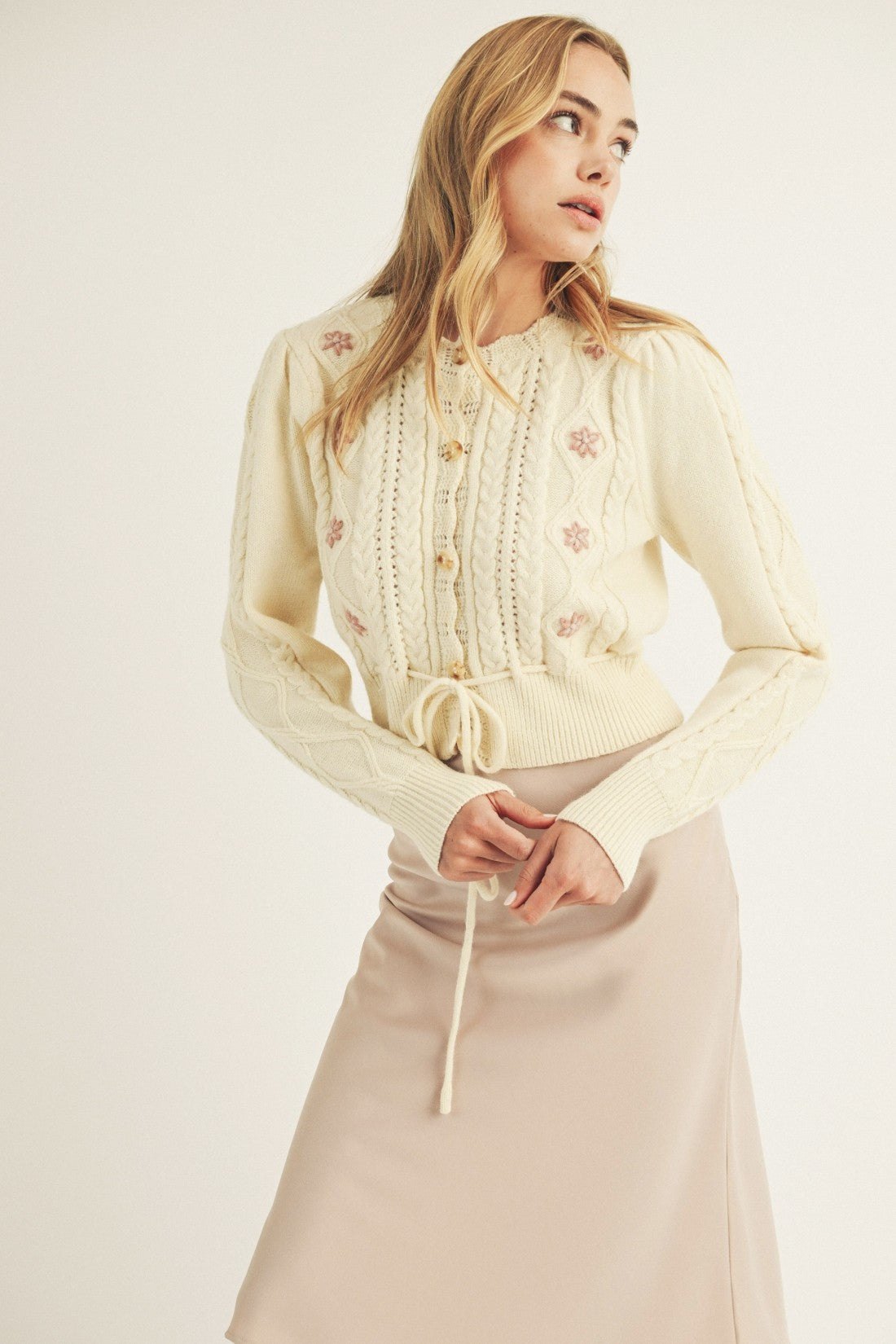
A closet can be full and still leave you puzzling over what to wear. Try auditing it through outfit formulas: the combinations you can assemble quickly and enjoy wearing. This shifts the question from “Do I have enough?” to “What pieces help me get dressed with ease?” It also makes room for personal preferences to guide each decision.
Start with outfits, not individual pieces
Recall three outfits you wore recently and felt comfortable in from morning to evening. Write down each combination in simple terms, such as a relaxed top, straight-leg pants, and a light layer. Note the setting and what made the outfit work: easy movement, a useful pocket, or a balance of color and texture.
Now look for the repeated structure. Perhaps you often pair a simple base with one more expressive piece, or rely on a top that works with both trousers and a skirt. These patterns are useful evidence, not rules you have to follow. Your formulas should describe what you like, not prescribe what you ought to wear.
Test your closet against the formulas
Choose two or three formulas and gather the pieces that could complete each one. Try the combinations on, including alternatives you might overlook when getting dressed in a hurry. A top that seems difficult on its own may make sense with a familiar layer; a favorite bottom may work with more tops than you expected.
As you test, make three loose groups: pieces that already work, pieces you want to experiment with, and pieces that rarely connect to anything else. Pause before removing the last group. A special-occasion item or an unusual favorite may serve a purpose beyond your everyday formulas; the audit is a tool for clarity, not a demand to own less.
Spot the useful gaps and refine
When a formula repeatedly stalls, name the obstacle precisely. You may have several bottoms but few tops that feel right with them, or your usual combinations may need a layer for shade and changing comfort. A specific gap is easier to address than the vague feeling that you need a whole new wardrobe.
Give the pieces you already own a fair trial by making a few complete outfits and photographing them for reference. If something needs adjustment, note whether the issue is fit preference, coordination, or practicality. Check garment care labels when considering upkeep, and let your actual routine—not an imagined ideal week—shape what earns a regular place.
A formula-based audit turns a crowded rail into a clearer map of how you dress. Keep the combinations that feel like you, adapt the ones with potential, and treat gaps as information rather than instructions to shop. Over time, a small set of dependable pairings can make getting dressed feel more thoughtful and less like starting from scratch.